Graveyard Keeper

The Game

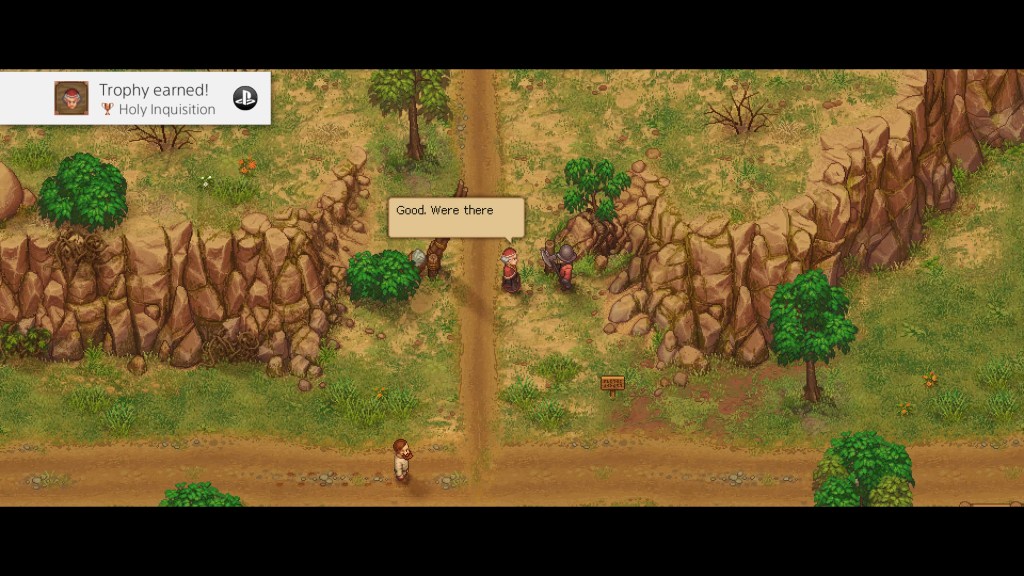
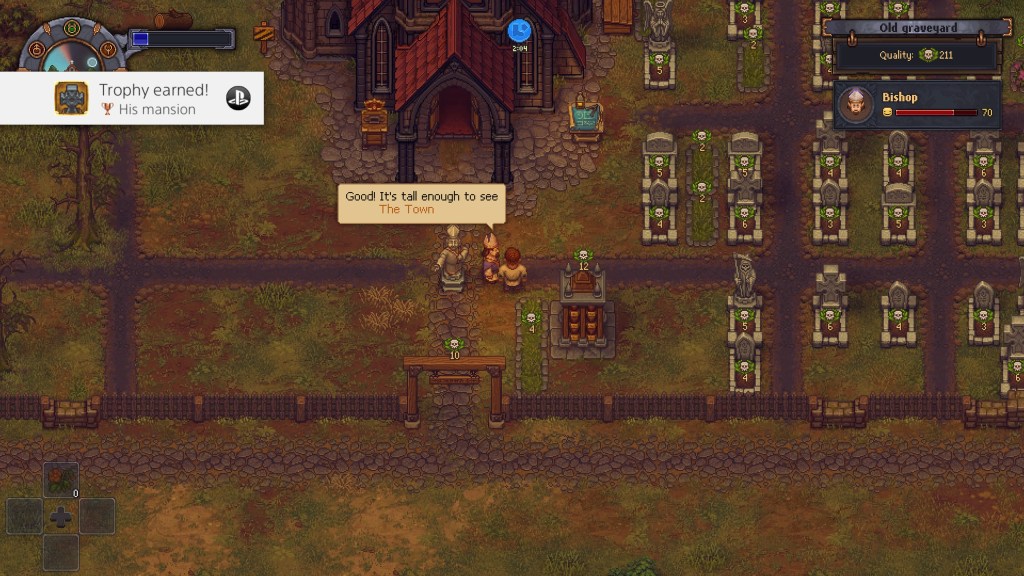
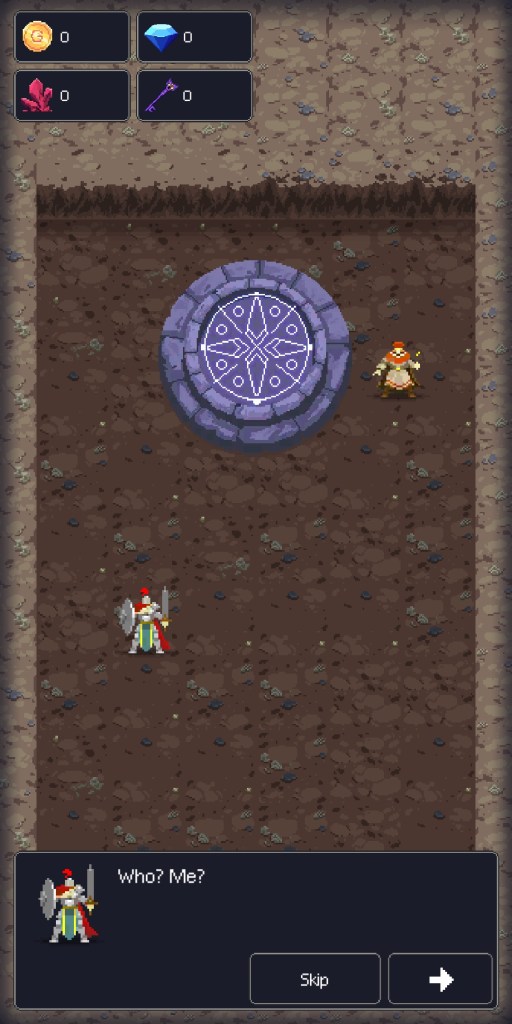
Graveyard Keeper developed by Lazy Bear Games and published by tinyBuild is an indie game that revolves around managing a graveyard (much like the title suggests). The game is comparable to Stardew Valley in many ways: the aesthetic, the fun characters, the crafting, combat to name few. Graveyard Keeper starts you off in a world you are unfamiliar with (you’ve come from present day) , it seems you are stuck in some sort of medieval fantasy world and you need to figure out how to return home to the present day. As it turns out you are the new keeper of the village’s local graveyard, after the previous one mysteriously disappeared. You are introduced to various characters in and around the village and their weekly schedules and quests (the game has 6 days with various events or NPC appearances being tied to each one).

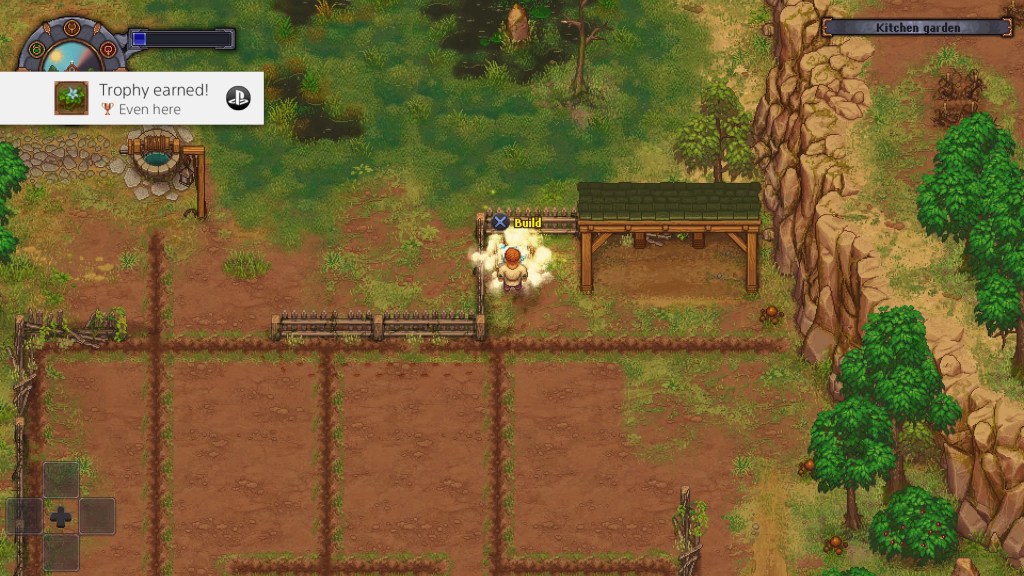
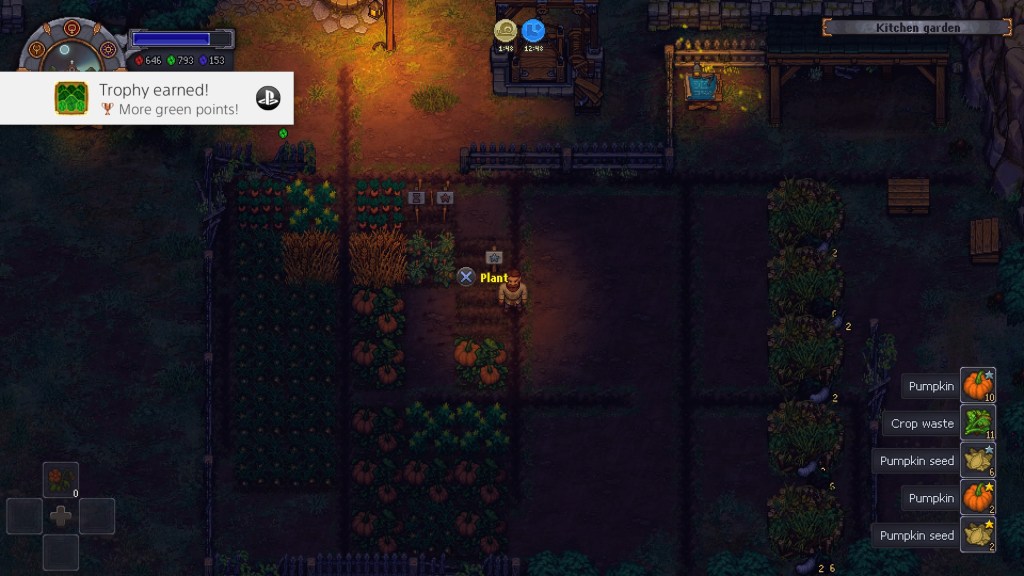
Over time you develop and fix up the old graveyard and your house, you unlock farming, beekeeping, wine and beer making. As the graveyard gets nicer and filled with better “quality” people you will unlock the church which is where the game really takes off. You will be tasked with doing a weekly prayer, this will help you generate faith which leads to the most powerful unlocks in the game. Doing tasks and work generates points – there are three types of points – red (generated by wood/stone/metal work), green (generated by doing farming work) and blue (generated by researching things and high level item crafting). These 3 types of experience points are used to unlock things in the research trees, and there is quite a good amount of things to be unlocked.

Worth it?

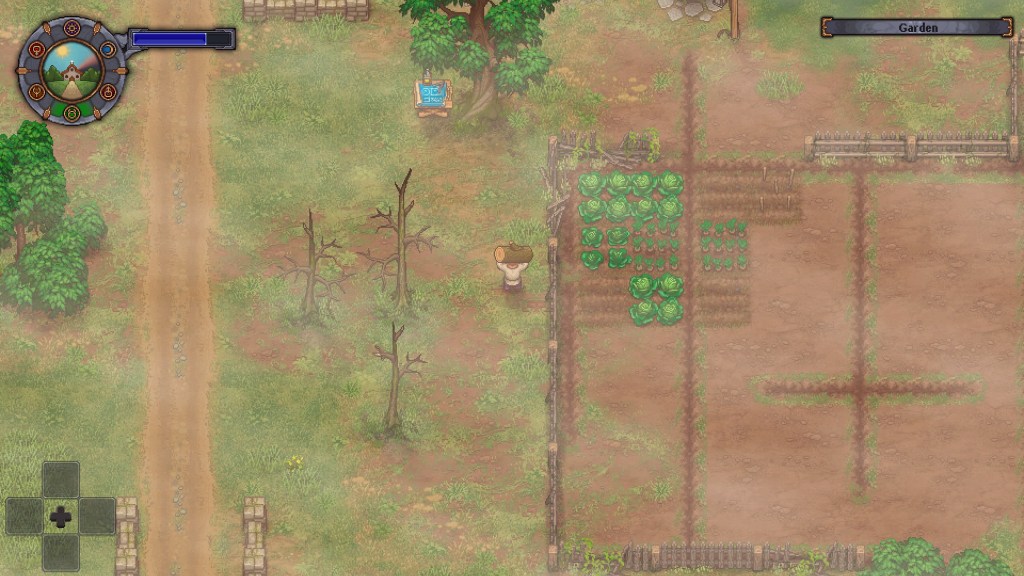
The game is incredibly addictive. It has that typical element of “just one more day” or “just one more task” that keeps you on it for crazy amounts of time. What makes the game even more clever is the way the days work – often times quests will require you to do something that’s basically 5 days away, meaning that you have to wait almost an entire week to complete a phase in a quest (during that time you’re obviously doing other quests or tasks). This has the effect of keeping you super busy all the time, following NPCs schedules and working around having a corpse delivered to you every so often as well. The game’s aesthetic is well delivered and can be very eerie at times (especially when the fog roles in). It’s perfectly matched by the sound design of the game and some of the rather dark and funny humour.

Graveyard Keeper will generally set you back around £10, which at first may seem like quite a lot, but the game really offers quite a lot, it’s also cheaper than competitor Stardew Valley. If you can grab it while it’s on sale for around £5, then you’ve got yourself a steal; it’s worth noting the game is also free with PS Plus Extra. While the game’s ending leaves a lot of questions unanswered and there are 3 DLCs that attempt to answer those, each of the DLCs will set you back around £7-8 and add a variety of new stories and gameplay mechanics (like being able to make zombies to automate tasks). The game is highly addictive and will keep you hooked for a considerable amount of time – overall the story can take around 40 hours to complete, but that could easily stretch towards 50-60 depending on what you end up doing.

Tips

  • Get the teleport stone from the Dark Horse tavern as soon as you can afford it – it makes moving around the map so much easier
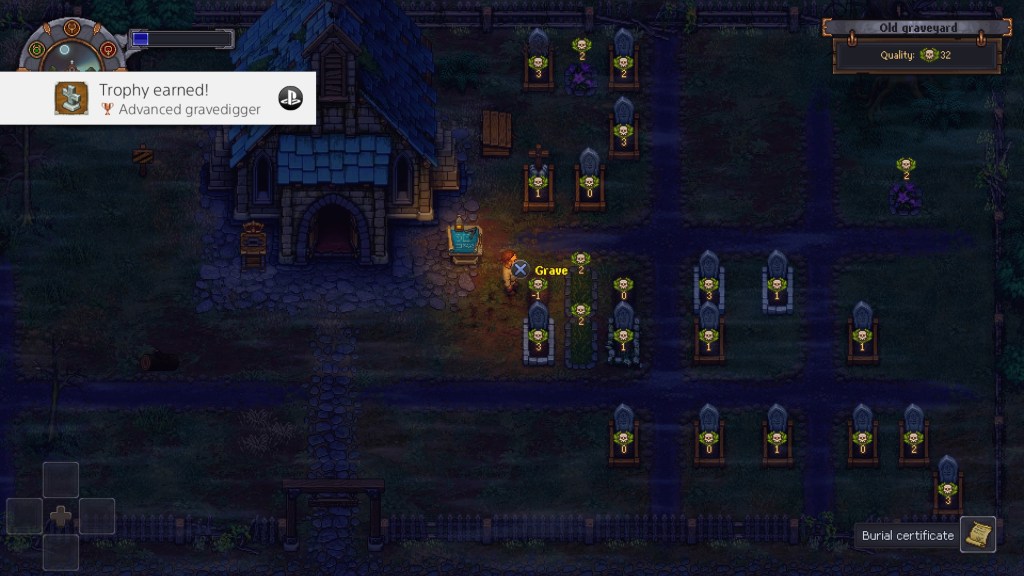
  • Try to only put high quality corpses in your graveyard, red skulls reduce the appeal of a grave
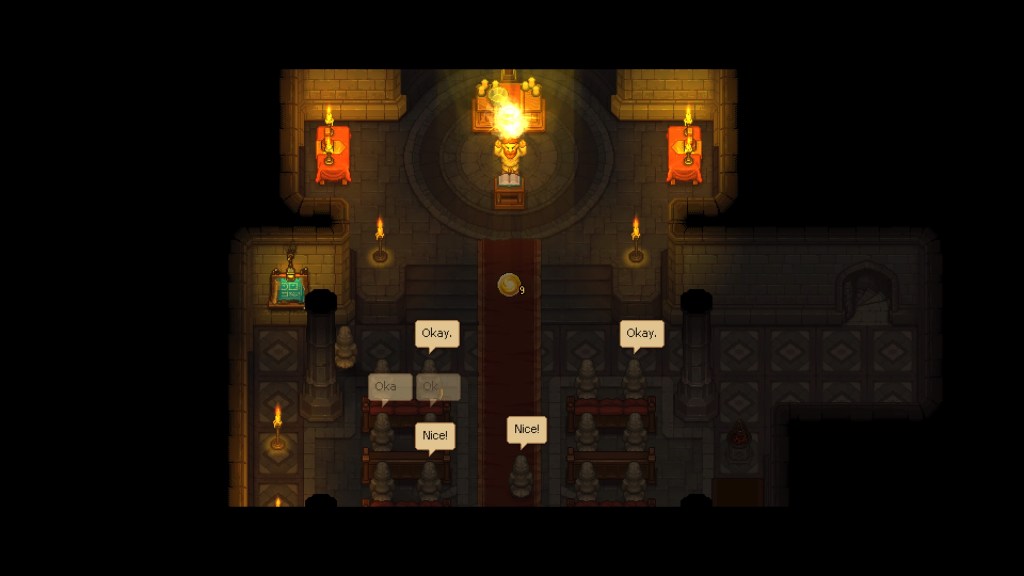
  • Focus on opening the church in the early game so you can unlock the weekly prayers – these will generate faith for you and unlock the church basement where you can do alchemy and craft new types of items
  • Meet Clotho to unlock the alchemy workbench and skill tree
  • For a perfect 12 skull corpse you will need to have unlocked and use the various embalming injections
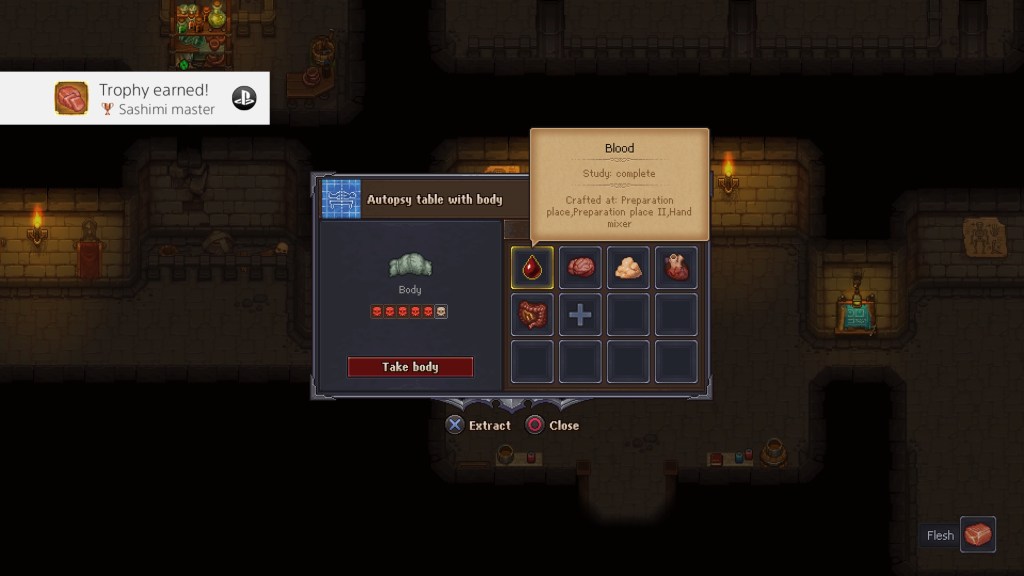
  • Blood and fat always remove 1 red skull, organs will account for a random amount of red/white skulls in each body, flesh will always remove 1 white skull
  • The Quarry lets you set up a little base where you can mine iron, stone and marble for extended periods of time – just make sure you have enough materials to build the workstation and storage there
  • Save blood – there’s a late game quest (and speed potions) where you will need quite a lot of it
  • The dungeons save your progress – so if you’ve killed half the mobs on a floor and exit it, that will be saved when you return
  • Throwing bodies into the river is ok, but if you have a poor quality body you’re better off burning it as you still get the burial certificate
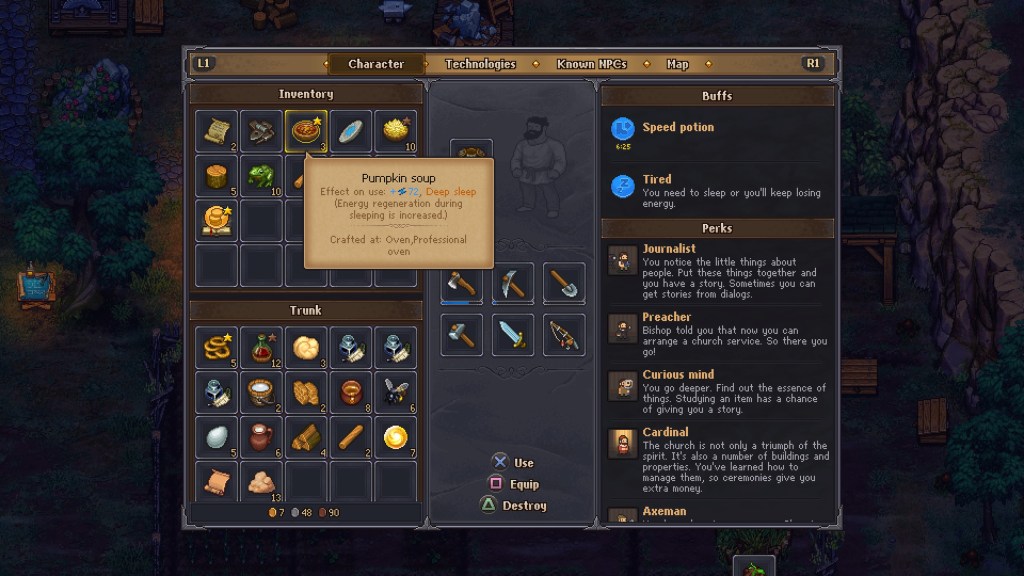
  • Once you unlock alchemy and the tier 2 bench get speed potions – but only take them after you’ve had a sauerkraut (as it increases the duration of buffs)
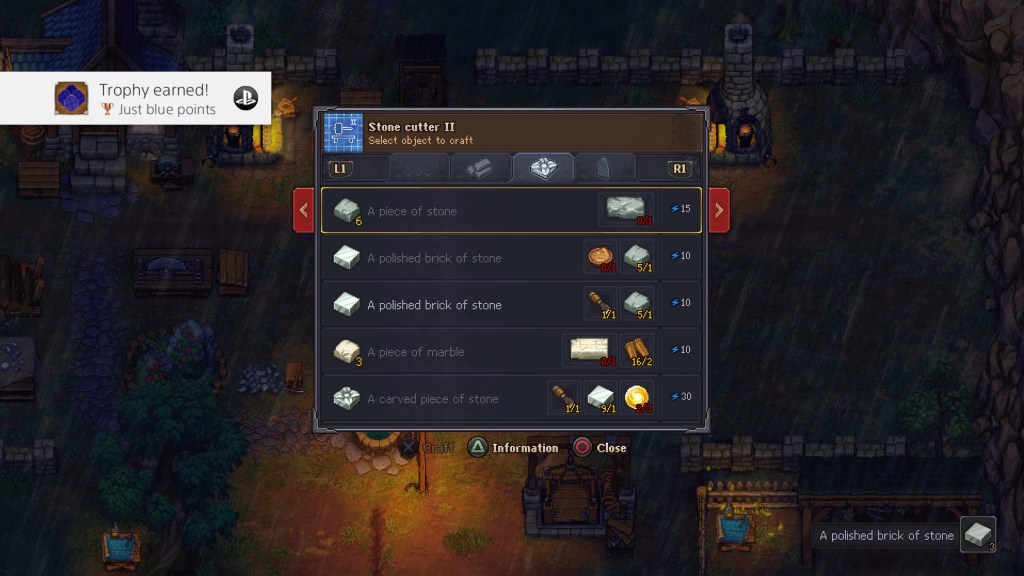
  • Gravestones and fences generate a lot of blue points when being researched
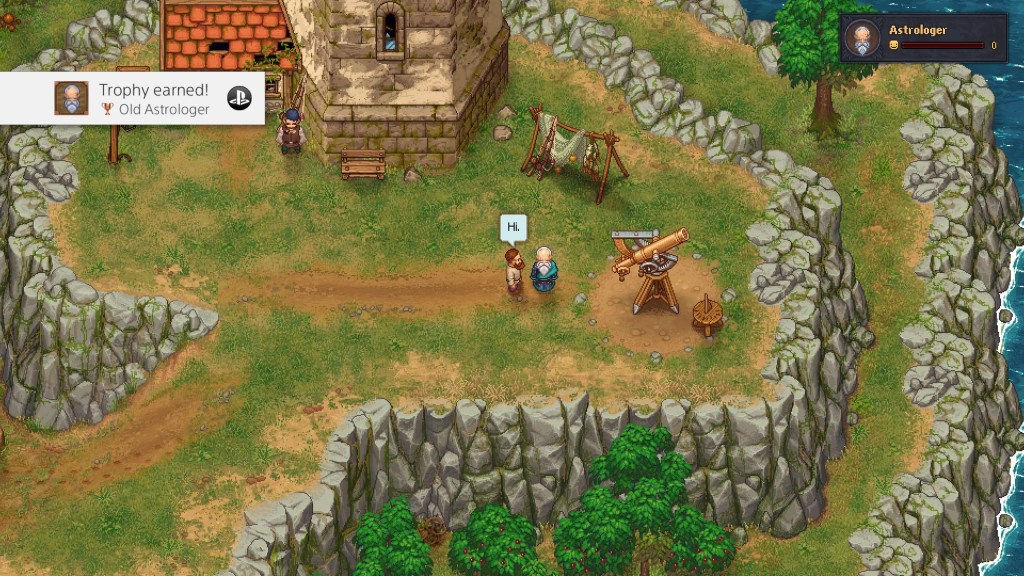
  • You can purchase books containing a specific number of red/green/blue points from the astrologer

Useful Links

Maneater

The Game

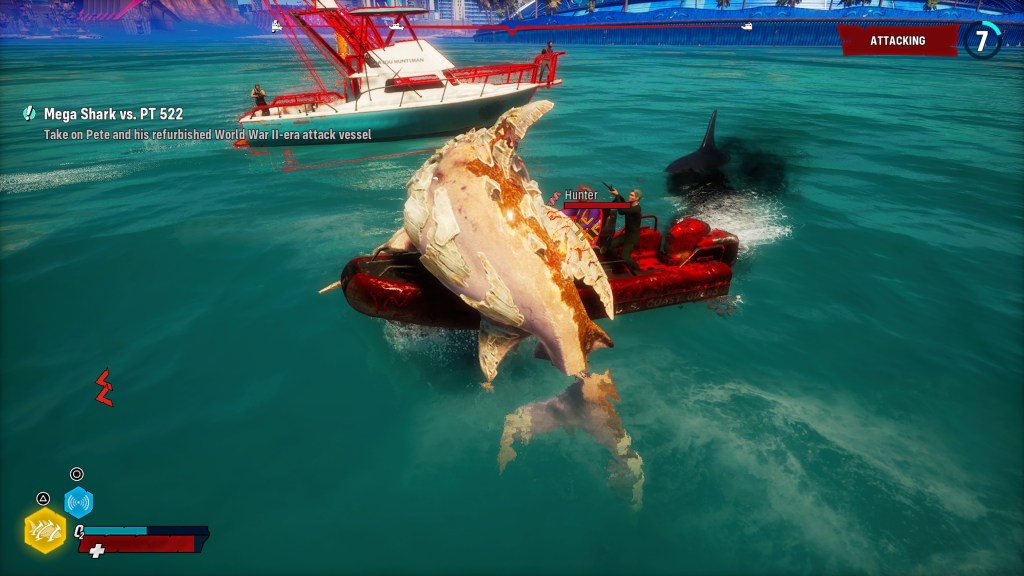
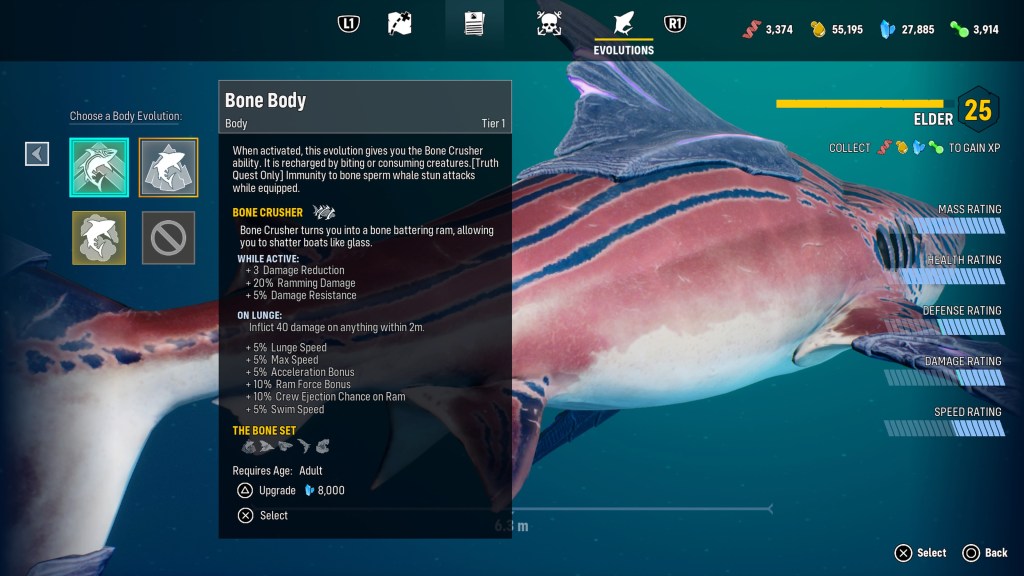
Maneater is the spiritual successor to Hungry Shark that we’ve always wanted. Developed by Tripwire interactive, the game lets you take control of a mutant shark and wreak havoc on the local wildlife and humans in a satirical version of Florida where the waters are rife with toxic waste and pollution. The game is narrated by comedian by Chris Parnell, which makes for some fairly comic moments.

You start out the game as a full grown shark on the hunt for some human flesh and quickly encounter your arch nemesis – Scaly Pete. A rather absurd character Scaly Pete is a professional shark hunter who you engage in battle with and sadly defeats you, only to find a baby shark inside your stomach, which manages to eat his arm and escape. This is when you really begin your adventure as this newly born baby shark. You quickly learn how to eat and survive in the harsh environments around you. You can upgrade your shark and it’s abilities in mysterious caverns marked by fairly lights.

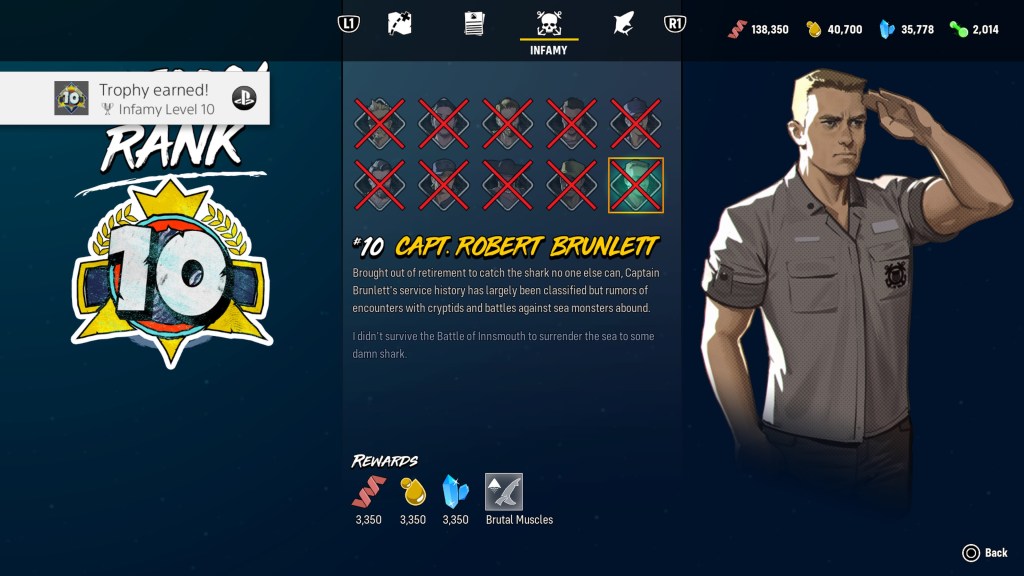
As you progress through the regions you take on bigger and bigger wildlife and you can also eat your way up the list of Shark Hunters in order to unlock other special upgrades. You quickly begin to realise that this is no ordinary shark and that you are actually creating somewhat of a monster.

Worth it?

Overall gets repetitive towards the end, but still quite satisfying to play. The game is very easy to complete and if you’re playing on PlayStation, it’s one of the easiest Platinum Trophies you can get. There are various CD Keys where you can get the game for around £5 or up to £20. It’s free with PS Plus Extra. It’s hard to justify more than £10 for this game, especially without the CD as it’s quite basic and quite repetitive, it’s also extremely easy to complete. However when it comes to senseless violence and being a fun sandbox game, Maneater really excels. Simple concept, crazy upgrades and Chris Parnell’s narration make this a very amusing game that will keep you busy for around 8-12 hours depending on whether your 100% it. The Truth Quest DLC only adds an extra hour or so of gameplay.

Tips

  • You can explore all landmarks in the first areas quite easily – do this to gain access to the Shadow upgrades
  • There’s a sewer pipe with a grate (Teen) connecting Fawtick Bayou to Dead Horse Lake – I had issues finding a way out of the first zone as I just kept missing this
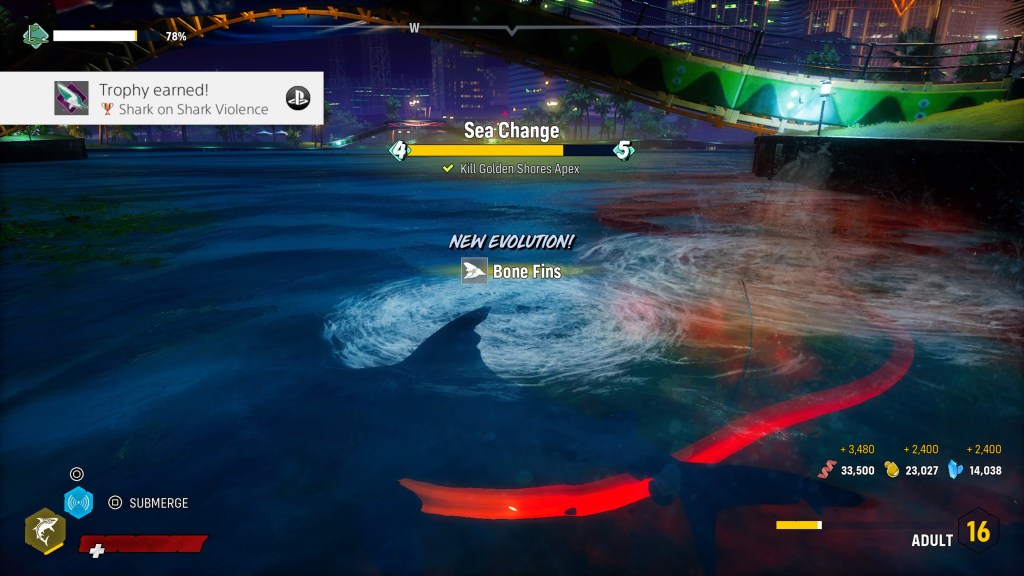
  • The bone build is best for taking on boats
  • Don’t be afraid to mix and match various body parts – the shadow jaws, electric fins and bone for the rest make a nice versatile build
  • For the final battle with Scaly Pete use the electric fins to dodge and disable his torpedoes – this makes them very easy to pick up and tail whip right back at his ship
  • You can always hide in a grotto, no one will try to get you there
  • When taking on tougher enemies try to avoid their attacks and study their moves to find an opening during which you can attack them
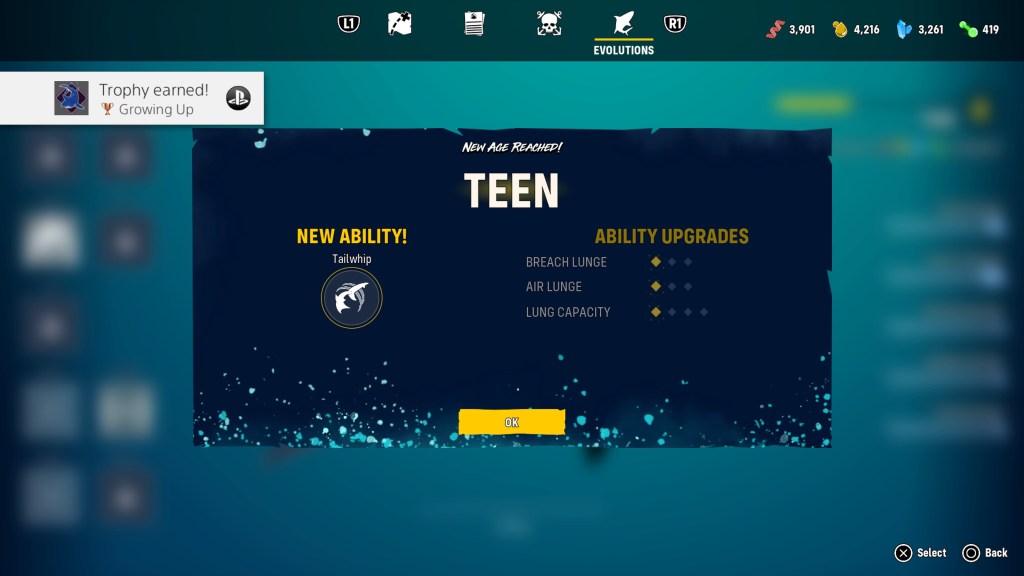
  • Once you’re an adult you can grab and fling stuff with your tail whip – a carefully aimed such shot can open gates or be used to hit targets/prey

Useful Links

Melvor Idle

The Game

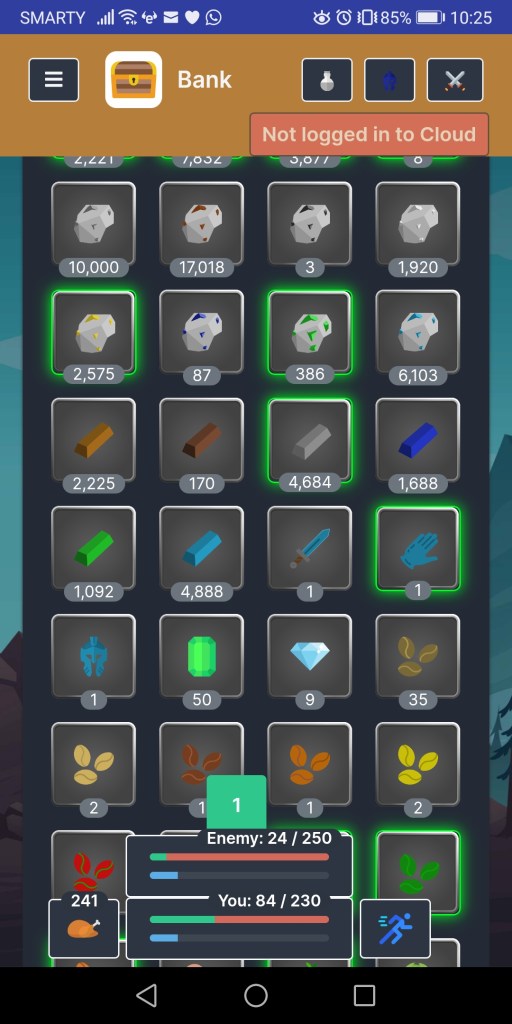
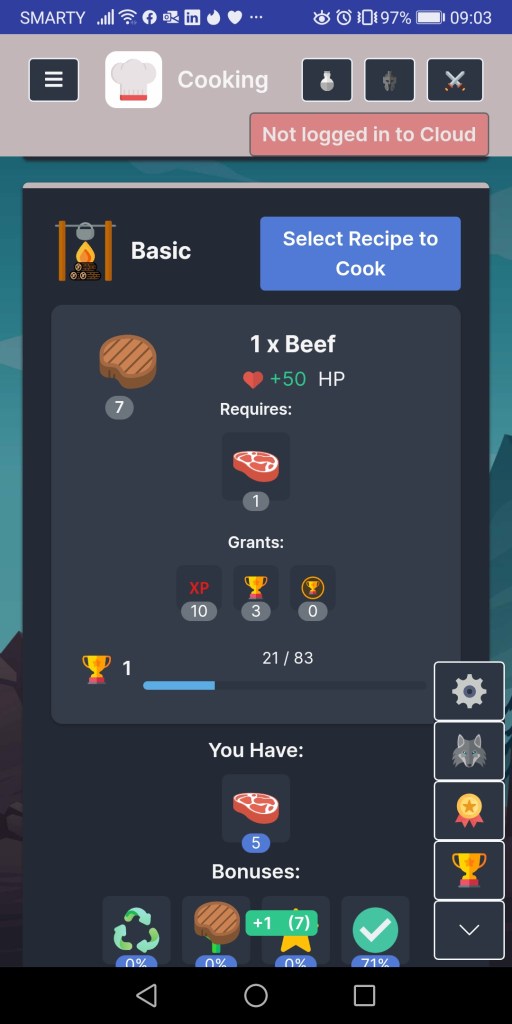
Melvor Idle developed by Games by Malcs and published by Jagex brands itself as a Runescape inspired idle game. The premise of the game is quite simple – a huge variety of interconnected skills that you can level up in various ways. The list of skills includes things like woodcutting, mining, smithing and farming with even more being available in the premium version. You can grind these while you afk or idle, as each skill level increases you can unlock more aspects of it. All the various skills are interconnected – the items you get from one may be used on another skill, which then in turn will impact or allow you to do something in yet another. From crafting items to fishing there are plenty of ways to make money in the game.

The premium version will unlock quite a few additional skills that will allow you to develop even further, explore new areas in combat as a Slayer. It adds some pretty interesting elements like summoning which can give you the ability to enhance the yields from other skills each time you complete them. The combat also has a surprising amount of depth with a variety of enemies and areas to fight in, dungeons to take on and even Slayer quests that challenge you to take on specific enemies.

Worth it?

The full version of the game will set you back around £8.99 but for that you do get quite a good amount of new skills to level up. Getting the premium version early in the game pays off as a lot of that early loot can be used to level up a lot of the other abilities. While it does feel like it is a bit on the expensive side it does provide quite a lot of additional gameplay so it can be somewhat justified. 15-20% cheaper would make it an obvious choice.

Overall the game is highly addictive, the sheer amount of skills to level up and the way they are all interconnected make for a really good idle experience. The combat also adds another layer to the game, especially for more active play. The game is well thought out, simple and really delivers in terms of depth. As far as idle games go, this one is definitely worth checking out and will keep you coming back for ages.

Tips

  • Sometimes you need to scroll down once you’ve selected an option to see more details
  • Mining is a good skill to focus on initially as it links to smithing, which is a great way to make money, armour and other useful items
  • Coal is really important in a lot of smithing recipes
  • You can get coal from firemaking or mining
  • You can get seeds for farming from woodcutting (via bird’s nests) or from fighting farmers in the farmlands
  • Check what upgrades you can use your bars (or other items) for before selling them off
  • Don’t bother with armour upgrading until you’re at least with Mithril armour or higher level
  • You can view your pets and their bonuses from the completion tab
  • If you need to improve your block/attack rating for new gear you can just grind an easy mob for an extended period of time
  • Try and get the Amulet of Looting as early as possible from the Spider Forest dungeon
  • Check out the beginners guide on the wiki: https://wiki.melvoridle.com/w/Beginners_Guide

Useful Links

Stray

The Game

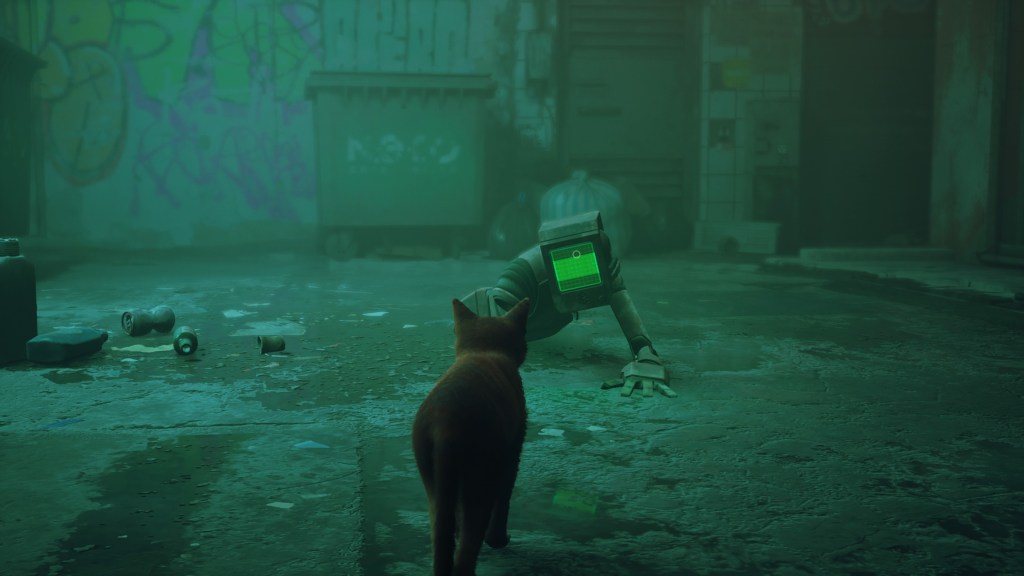
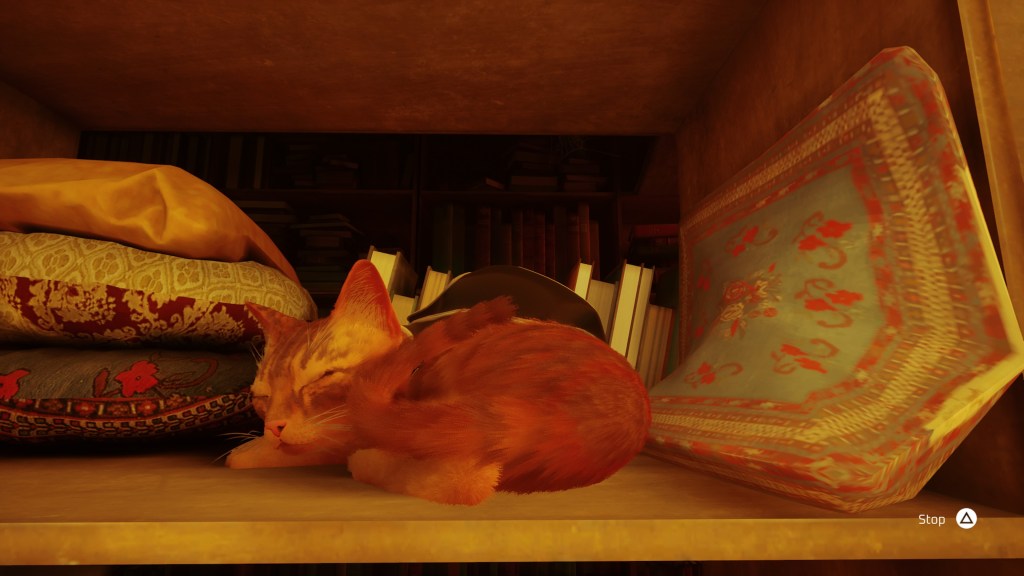
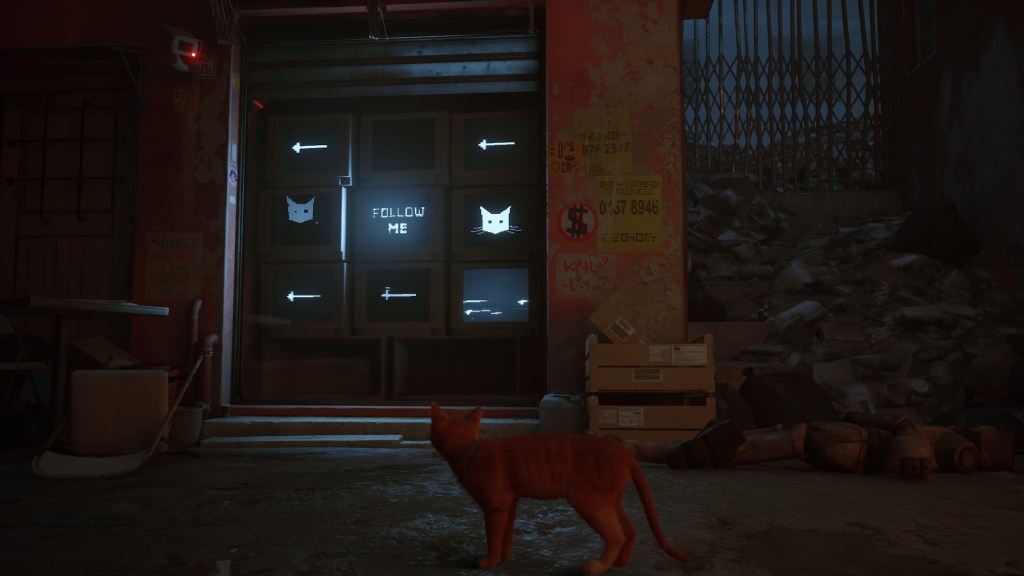
Stray developed by Annapurna Interactive is an adventure puzzle game that has been in the works for some time. Before you proceed, this review may contain some light spoilers – so if you want to fully fresh experience avoid the screenshots and maybe go play it first. Announced a couple years ago, the game really got cat lovers around the world hyped. The game lets you take control of an adorable kitty in a post apocalyptic world where humans no longer exist. After a misadventure with your fellow kittens you end up deep underground in a forgotten structure where you find some rather strange larvae (known as Zurks) and a hidden city of friendly robots. On your adventure you befriend a little drone, known to you as B12. The drone seems to remember a time when humans existed and the things they used to do. The robots in the city, known as Companions have adapted to the underground way of life, but some of them yearn to return to the Outside once more and to see the sky once again.

As you find out more about this world and the Companions you are tasked with collecting various items, exploring parts of the city and ultimately making your way to the outside. The core gameplay loop focuses on really satisfying puzzles that are delivered in a variety of ways: from jumping (parkour or is it catcour), to following cables, pulling levers, stealthily avoiding enemies or completing tasks for various Companions. The story takes you on a captivating adventure in a beautifully designed and crafted world with amazing attention to detail.

Worth it?

While it’s not the longest of games (first playthrough may take around 4-5 hours depending on how much you mess around and explore) the game certainly delivers in charm and story. The beautiful world, satisfying puzzles and amazing story will make you want to complete it while at the same time wishing it doesn’t end so you can explore and learn more. The game does also autosave quite frequently which allows for shorter play-sessions. The simple controls and short playtime also mean that you could hand it to a “non-gamer” and let them enjoy the experience (although they may need a hand with the Zurks). The game will currently set you back around £25, but I expect we will see it in some sales later this year, but even at this price it is worth getting. For PlayStation extra members it is included in the available games at no extra cost. There are currently some speculative rumours around an Xbox release, but it will be some time away with the earliest being October, some estimates even saying 2023.

Overall Stray is a beautiful game, with a captivating story and really satisfying gameplay. It goes above and beyond being simply a cat simulator (although it does that pretty well). It is a pretty unique game in terms of allowing players to see the world form the perspective of a cat which will make it a firm favourite amongst cat lovers (maybe also dog lovers alike). It is really hard to fault the game and it even has a bit of replay value in the music sheet or plant collection side quests and the memory collection element. The game also provides a solid base for the speed-running community and it will be interesting to watch some of those attempts as get better at it. I’d highly recommend checking this game out.

Tips

  • Follow red painted air conditioning units with orange streamers
  • Follow orange lights, cables, wires or arrows
  • You cannot go back for the music sheets after leaving the slums to go into the sewers
  • Hide in boxes to avoid sentinels, or in other areas where you break their line of sight
  • Scratch things when you can (pretty much anything that isn’t a carpet will lead to something)
  • The purple, yellow and red plants can all be found within Antvillage
  • Meow to distract/attract enemies
  • B12 can remind you of your current objective should you forget
  • Your backpack will light up if you can interact with nearby objects/NPCs
  • Interact with vending machines in order to be able to get all of the Barterman’s items
  • Talking to companions can give you hints or other objectives that will help you along the way

Useful Links

Dunidle

The Game

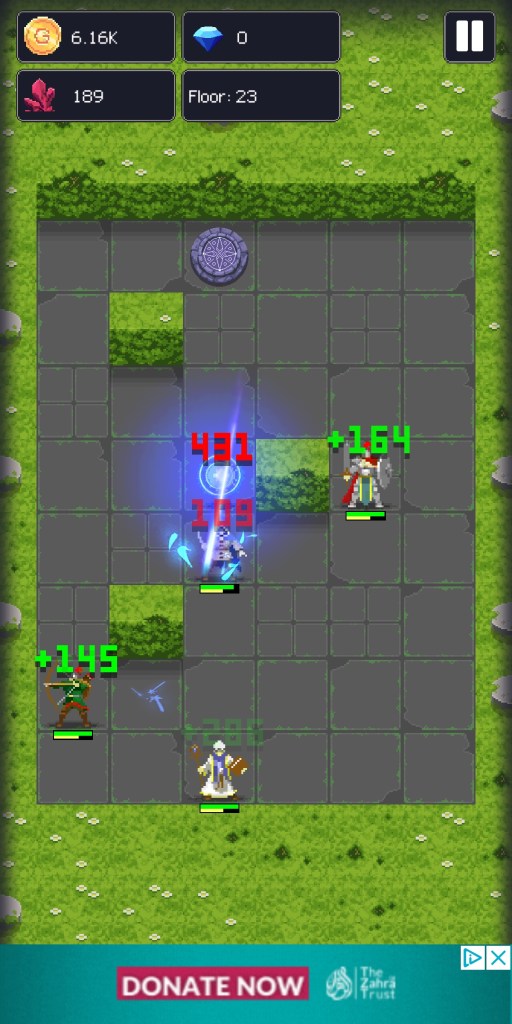
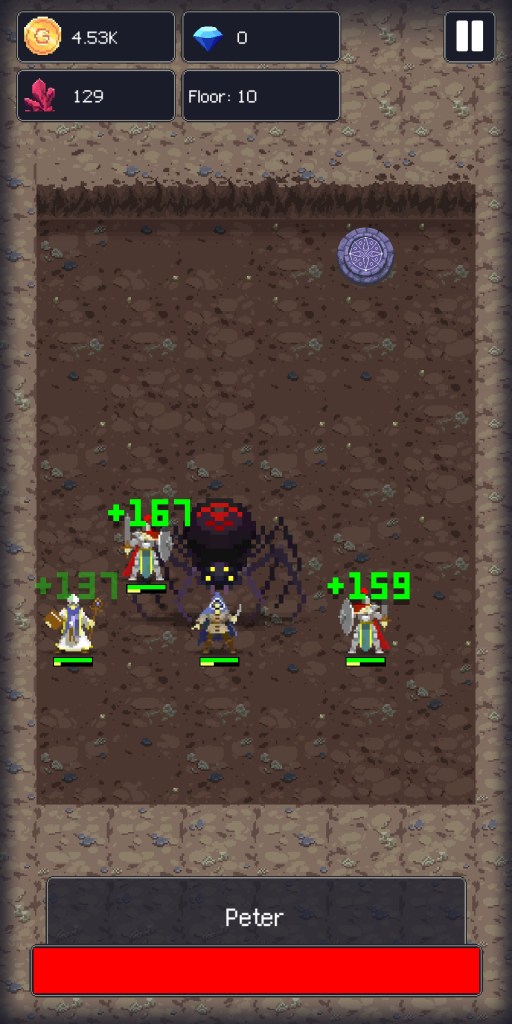
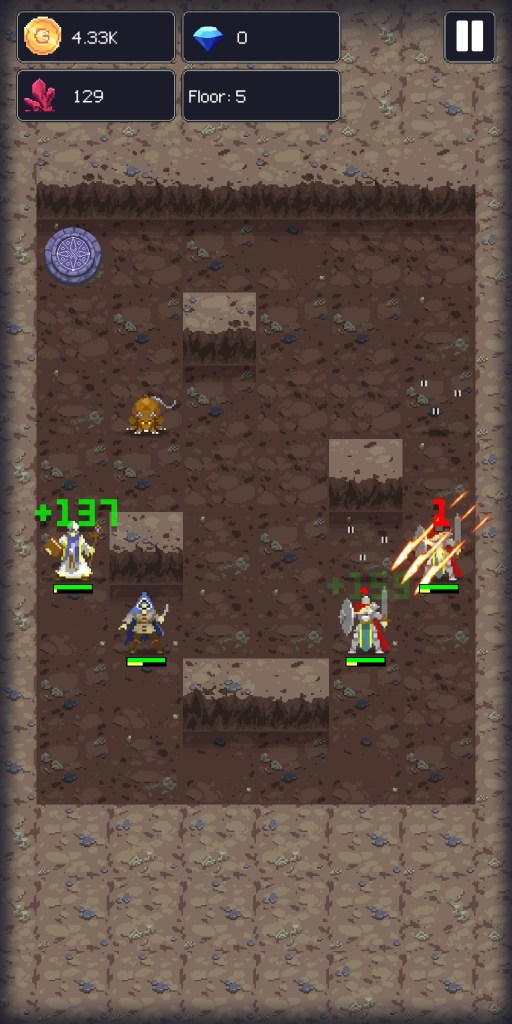
Dunidle or as it’s listed in the Play store Dunidle: 2D AFK Idle RPG Quest is a game by ARMII Games. The game is a pixel graphics dungeon game in which you send a team of adventurers on a run of a dungeon to see how many floors they can make it up before they die. Then you just sit back and watch them die over and over again (or make their way up the floors, only to be crushed by a boss or mob on the next floor). After a short tutorial you are left to figure things out on your own as you can begin upgrading your heroes, their abilities and stats, various global upgrades such as gold generators, speeding up the gameplay and acquiring new equipment.

Initially it appears as quite a simple and shallow game, however as you complete the first 100 floors and defeat the boss at the end you are introduced to Legendary Artifacts that drop from bosses and to the “next universe” (or prestige) mechanic in which you can restart by resetting some of your upgrades. The game also features Hell Rifts which server as a type of premium dungeon in which you need to defeat 50 floors for some pretty premium prizes including Legendary Runes and some really special weapons. After you defeat your first 100th floor boss and start taking on Hell Rifts is where the game really begins – grinding for better weapons, upgrading them through shards, selecting specific runes to apply to those weapons. The game even features purchasable skins for your adventurers, which you can even get from the daily rewards.

Worth it?

Overall Dunidle comes across as a very unassuming game, but it’s one of those that just keeps on giving the more you play it. It keeps you coming back regularly and challenging you to push further and further and unlock more and more. The game looks amazing and has a great deal of variety in terms of equipment, types of adventurer, enemies and bosses.

There are few issues with the game that would make it a true masterclass. Things like knowing how many levels are gained each run (like the cash). Some usability issues like showing the inventory, while with the equipment shop or an easy way to transition between the two and some of the colour coding of gear. My only other suggestion would be introducing some sort of player activated spells or some way to speed the game up as a way to break up just the gameplay and make it a little less passive and a bit more active of a game.

The game is good for medium play sessions and once you get “the fastest man alive” upgrade you can do a lot more in an even shorter time. It keeps you coming regularly back to collect gold from your factory and XP from your meditation. There is a way to earn premium currency through playing as well (even though it is the most expensive upgrade). There are also a few packages, one of which will remove ads for you (for £4.99), but it must be said that overall the ads aren’t very intrusive – which makes for a very enjoyable experience and uninterrupted gameplay. After a few universe progressions and bosses it does begin to get a bit repetitive, but will definitely have you hooked for a while.

Tips

  • Prioritise the gold factory
  • Once you’ve maxed out gold factory and meditation purchase all heroes so that you can grind XP on all of them (not necessarily needed if you don’t want all, but they are worth trying)
  • Ensure you have the Universe gift upgrade before proceeding to the next universe
  • Purple (permanent) upgrades in the Party Upgrades menu are permanent even when you go to the next universe
  • Warp and fastest man alive make the gameplay a lot faster and will allow you to get through dungeons at breakneck speeds
  • Necromancers are very good for clearing levels quick as they deal damage to all enemies
  • The Reaper can keep one of your adventurers alive for a limited time after they have died
  • After you have beaten the first boss get the ability to auto-restart and grind the boss level
  • Focus on the transmuting bonus Legendary Artifact as soon as you get it as it will get you more from your souls
  • Weapons can be upgraded with rune sockets (runes drop from hell rifts) – however this will cost you gems and is likely the best use for gems
  • After you progress to 2nd universe you can start doing Hell Rifts – keys for these can be bought with gems or can be earned by watching videos, you will likely be able to do Hell Rift 2 after the first boss – they will give you Legendary Runes and legendary gear

Useful Links

City Skylines: Airports

The Game

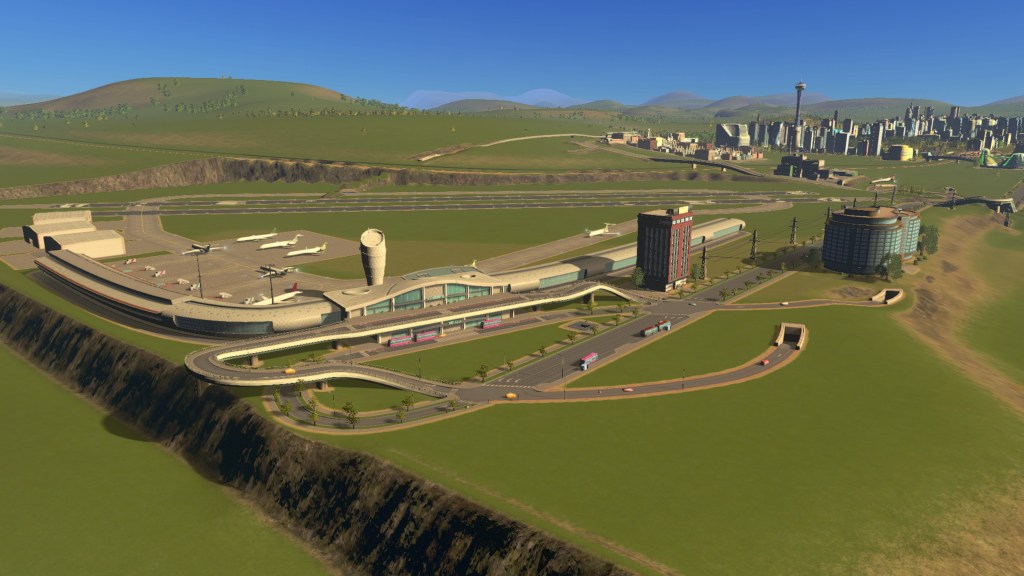
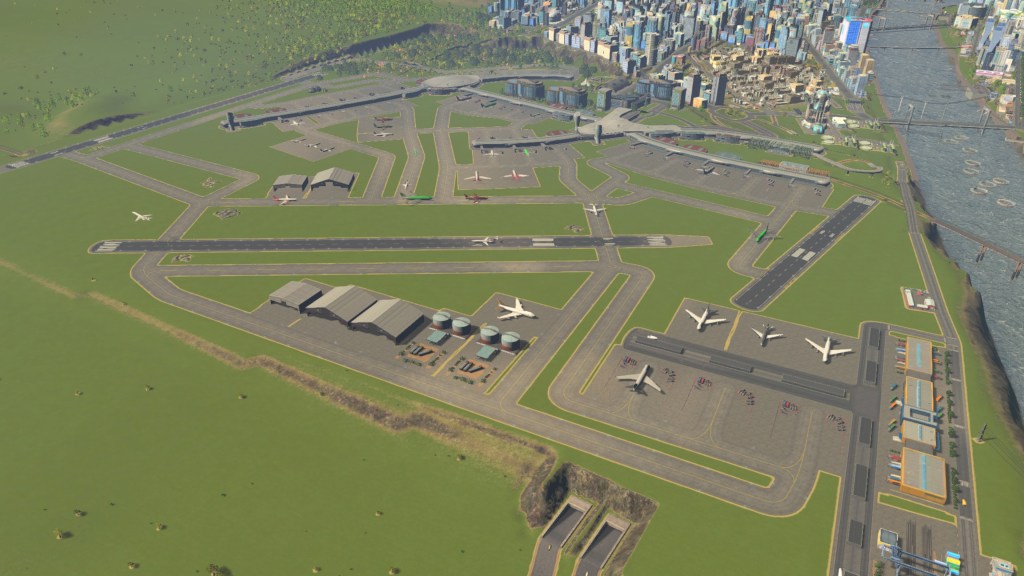
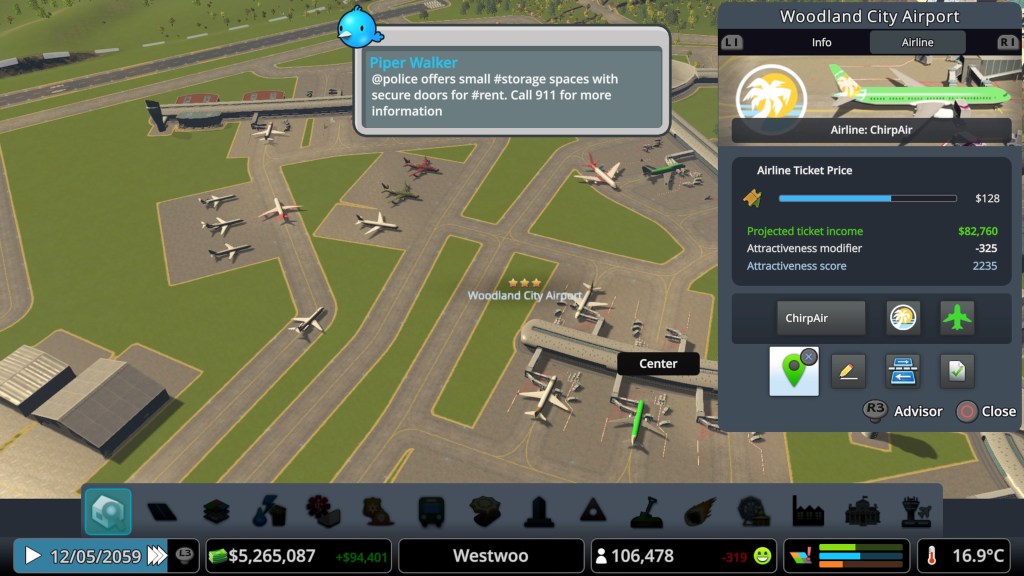
City Skylines: Airports is the 10th expansion pack for City Skylines published by Paradox Interactive. In this review I will just be discussing the DLC in isolation. Similarly to some of the previous DLCs released (Campus, Industries, Parklife) the game focuses on zoning new areas and levelling them up over time. As the name suggests this DLC focuses on airports. You get to zone out an airport area, which conveniently flattens the ground in the area (longer term City Skylines players will know the pain of flattening land to fit in an airport). Once an area has been dedicated for the airport you can choose from some basic airport components in 3 different styles. Using these modular components you build up the airport, adding terminals, runways, taxi roads, stands, parked airplanes, cargo planes and even hotels. There is a really nice range of cosmetic items to add and even some new public transport links that can go straight into your terminals – subway, train and busses – all with some new unique skins for the vehicles. Your airports will level up as more people use them and you will even be able to create your own airline charging extortionate prices.

Worth it?

The DLC will set you back around £10 on consoles with CD keys being available for PC around £5. You will get 3 new maps and the addition of the airport zones with loads of customisation options and new public transport skins. The game also comes with a handful of new achievements, which are pretty easy to complete.

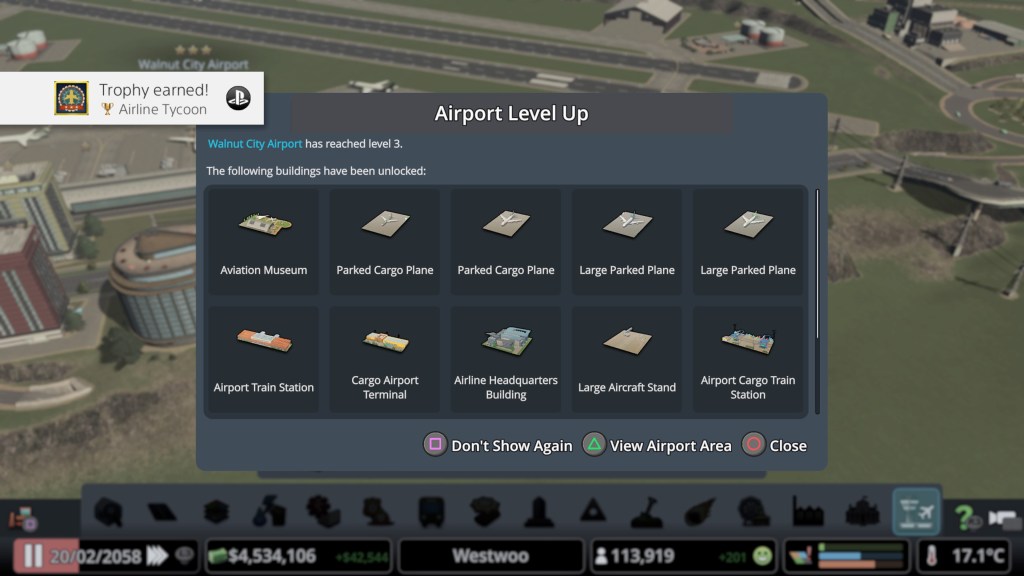
Overall for £10 I cannot say this DLC is worth it. While the customisation options are nice and you can get some really cool looking airports, the money really just isn’t worth it. I opened up a fairly late game city, set up a couple airports and got all achievements in about 5 minutes of playing. Within 30 minutes I had the highest level airport. Aesthetically speaking the DLC does add a nice amount, but in terms of depth and playability there really isn’t much there to keep you in long term. Comparing to the other similar DLCs like Parklife and the Industries this one is quite lacking and a little bit disappointing. If on sale it does become a little bit more sensible so do look out for it on sale or pick up some discounted CD keys.

Tips

  • Metro station and Train station link directly to concourses
  • You only really need 1 runway per airport
  • Make sure your airplane taxi routes link up correctly in the one way system

Useful Links

Minecraft (Bedrock Edition) – Coming Back to Minecraft After 10+ years

The Game

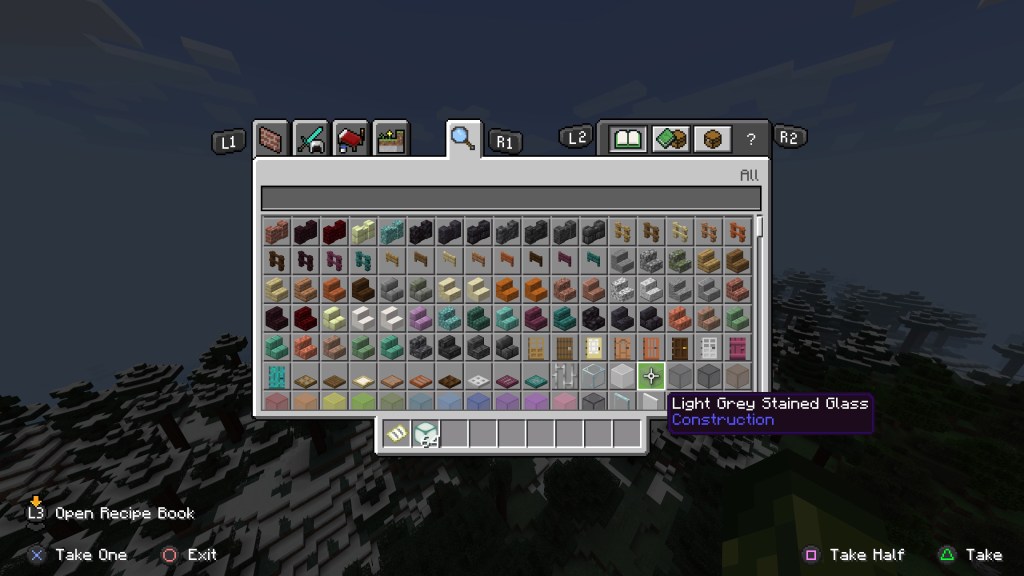
Minecraft a game developed by Mojang needs little to no introduction. The game started in Alpha in 2010 and was officially released in 2011. There are technically two independent versions – Bedrock and Java edition, where Bedrock is the version available on all consoles, mobile and windows 10. Over the years the game has continuously been developed and grown far beyond what it was in those very early days. It still carries on growing even today with the recent 1.18 Caves and Cliffs update and the upcoming 1.19 Wild update.

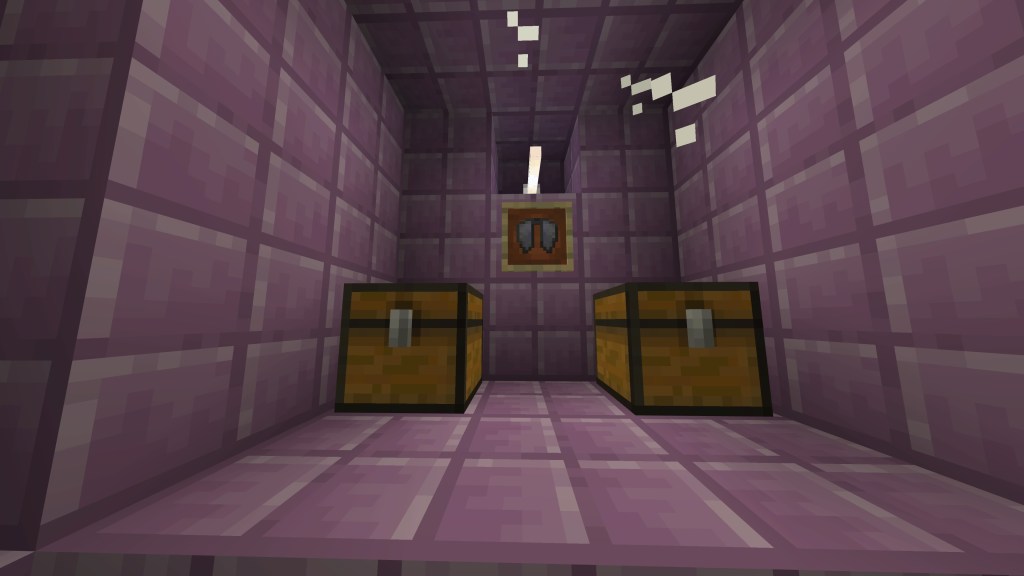
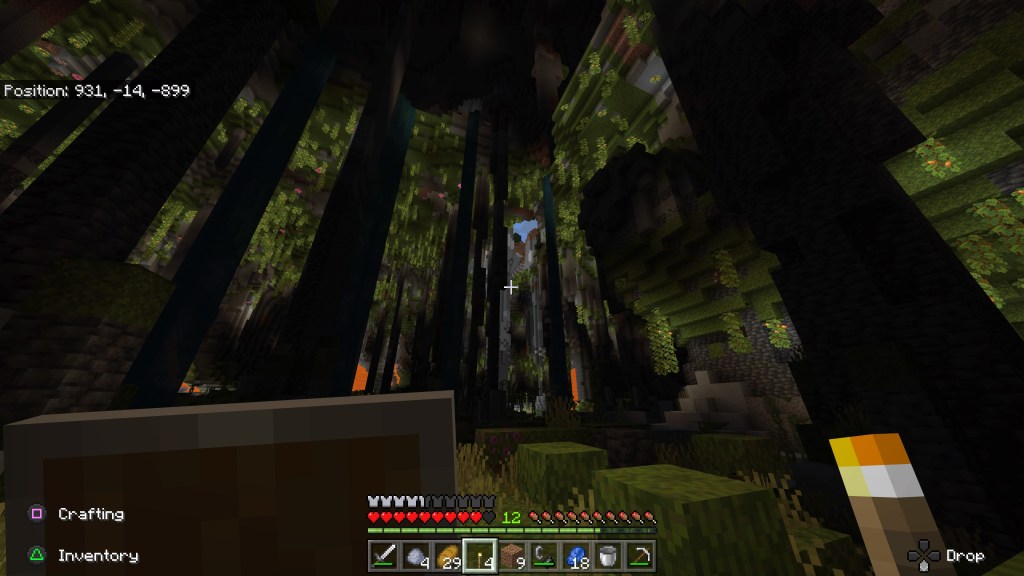
If you haven’t played for as long as I have you really are in for a treat. The world generation, biomes, creatures, NPCs, crafting and literally every single element of the game has had some sort of addition or expansion over the years. There are new animals like pandas, bees, axolotls, alpacas and more. The Nether has been completely overhauled with new nether biomes and structures like bastions, there is more to the End than just the dragon – end cities allow for late game dungeons and loot to be obtained. Oceans have changed massively, sunken ships, buried treasures, corals, sea turtles, ruins, ocean monuments and elder guardians and many other additions have made the oceans of Minecraft a lot more interesting and worth exploring as much as any overworld biome. There are now various types of mountain, taiga forests, ice biomes. There are new types of caves and the world goes deeper than ever before.

Villagers were only just introduced when I last played Minecraft all those years ago and while initially they didn’t have much purpose, they are now an integral part to surviving. There are a variety of villages depending on the biome they spawn in, various villager professions, each with its own set of trades. Trading with villagers will level them up, unlocking new trade options – sometimes even allowing you trade for incredibly rare items. The villagers now also have enemies in the world, their evil counterparts – the illagers. These can spawn on patrol in the world, in woodland mansions, at pillager outposts or during raids. There are various types of illagers each with their own skills, weapons and abilities. There is also a sequence of events whereby killing an illager captain (gaining the Bad Omen status) and then walking into a village will trigger a raid by consecutives waves of illagers. Defeat the raid and you might get an amazing drop – the Totem of Undying (hold in your hand when you die to instantly respawn).

Worth it?

Generally speaking whichever version you may choose you will likely be spending anywhere from £10 to £20 for the game. There are various CD Key outlets offering lower prices too. What’s most important is to define that any platform other than desktop will be the Bedrock Edition of Minecraft. On PC you will have a choice between the original Java edition and Bedrock Edition. While the majority of the core game mechanics are the same between games, there are some very key differences in terms of mob spawning and various other niche elements that could potentially make all those tutorials for farms you are watching irrelevant to your version. The other very notable difference between the two is that on Java you will have access to endless free mods, texture packs and other community content. On Bedrock you will need to purchase Minecoins in order to buy the same types of things.

While on the one hand the store in Bedrock is a nice chance for content creators to get recognised and make money from their work it also takes away from so much that Minecraft originally was and feels like a bit of a cold attempt at squeezing more money out of the player. On consoles you cannot play split-screen unless the other player also has a purchased version/account on Minecraft – making local/offline couch co-op not an option, which was actually a major disappointment and feels like a bit of slap in the face. Changes are also being made to bring Java edition more in line with this, under the guise of improving player safety.

Overall it’s very difficult to fault Minecraft as a game – it really has withstood the test of time and coming back to it after being away for so long is like rediscovering something you loved as a kid which has kept growing and changing over all these years. The game has proven itself in terms of depth and potential and the continuous work on it means there’s always something to look forward to. If you want to lose potentially thousands of hours building and surviving in your very own Minecraft world, or last played it more than 5 years ago – then by all means give it a go.

Tips

  • Make a shield and equip it as soon as you have access to iron
  • Donkeys can be equipped with chests to help carry more
  • Animals can be leashed to fence posts
  • Scutes dropped from baby turtles can help make a helmet that will help you spend more time underwater
  • Mobs cannot spawn on bottom half slab blocks (or other non-whole blocks like rails, string, carpets)
  • Traveling 1 block in the Nether is equivalent to travelling 8 in the above world
  • Enable coordinates on Bedrock – make note/screenshots of coordinates you want to come back to
  • Keep a water bucket on you, it can be useful to go up/down into ravines or to put yourself out if you’re on fire
  • Mending is a great enchantment for your high-level gear – it will repair your equipment with exp
  • Automate things using redstone contraptions
  • You can reset villager trades by removing their work station and replacing it – once you have made a trade with a villager that will lock their trades in even if the work station is moved
  • Check a seed map to find out where various things in your world are located

Useful Links

Reigns

The Game

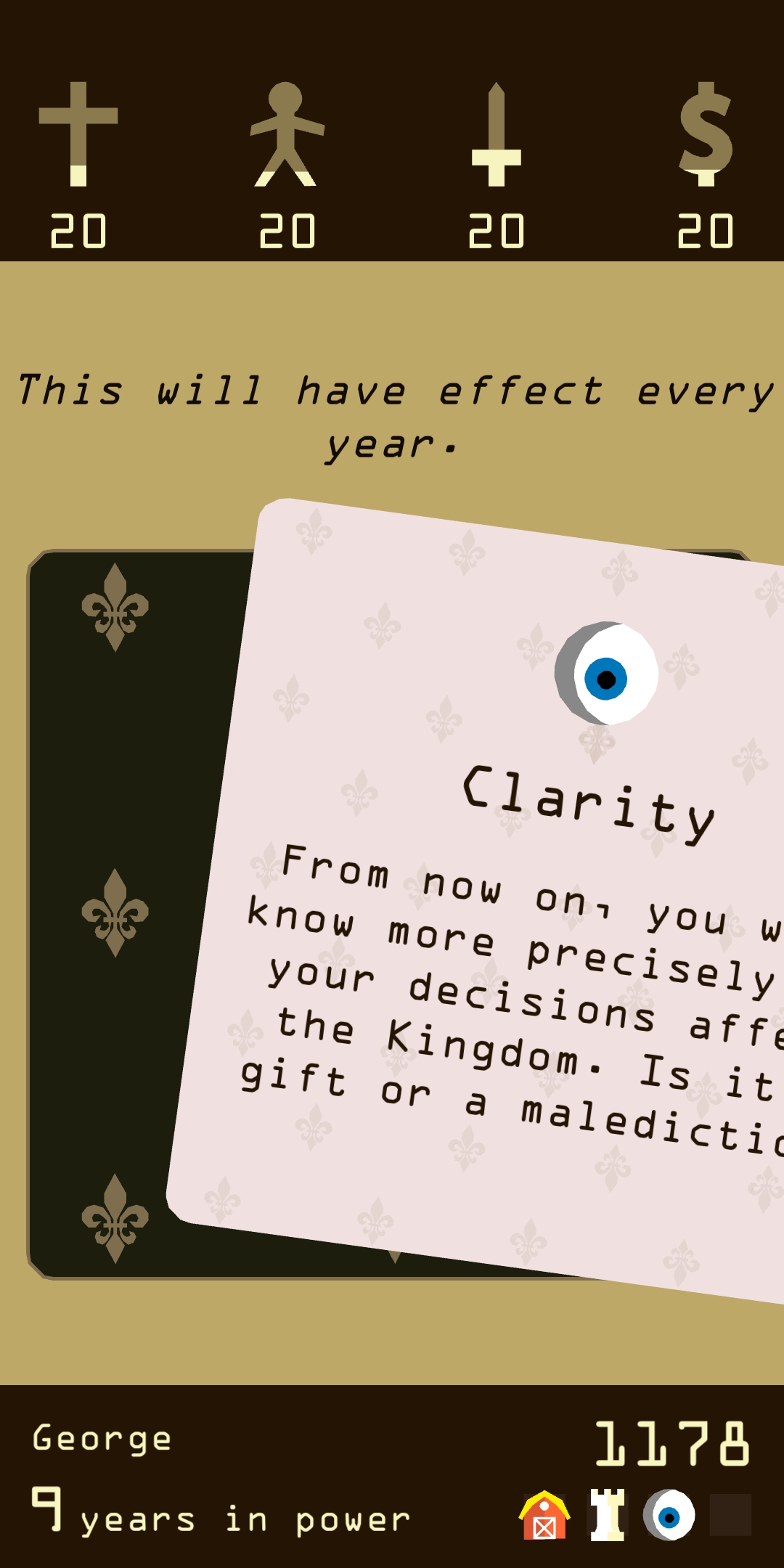
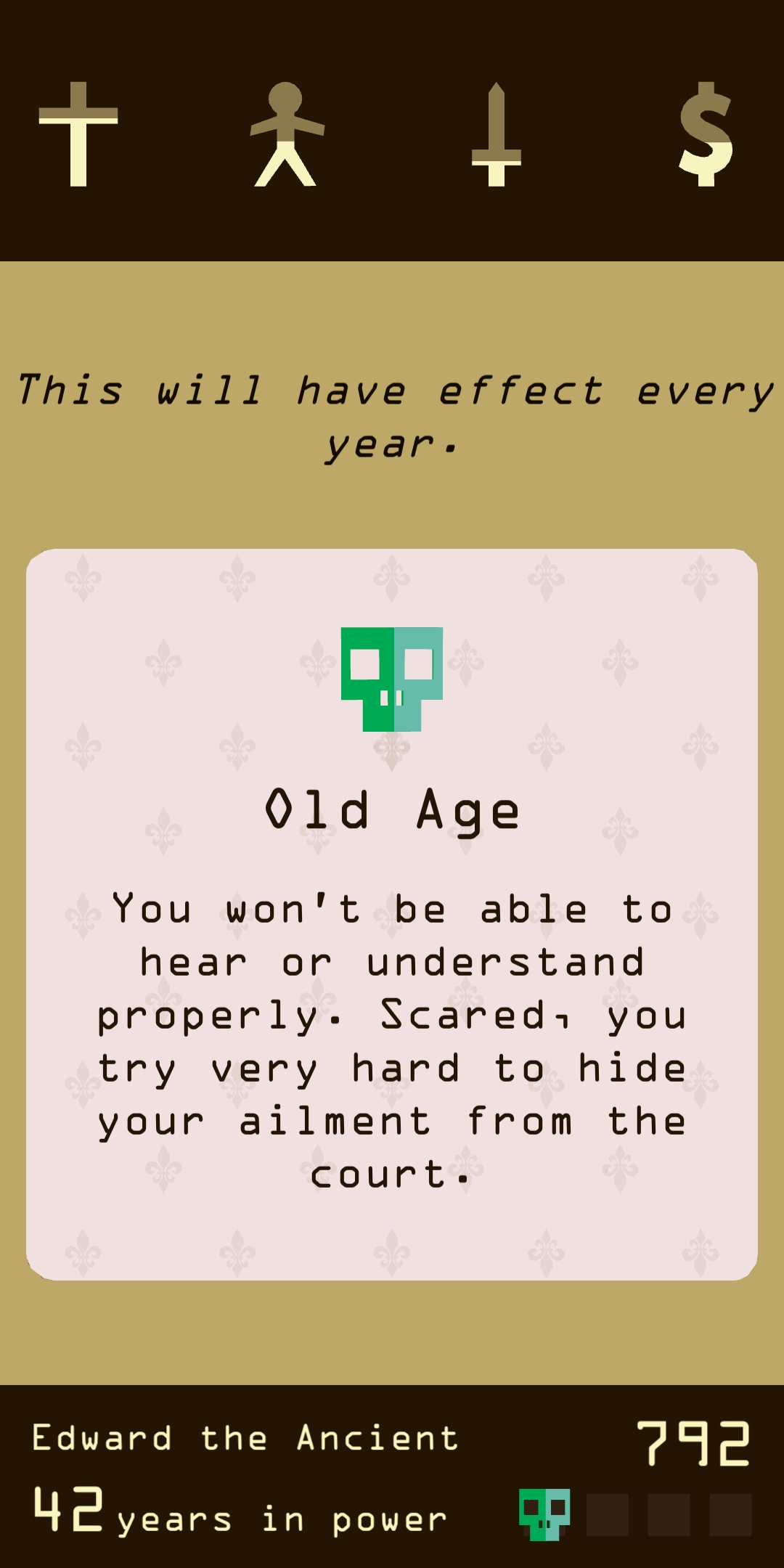
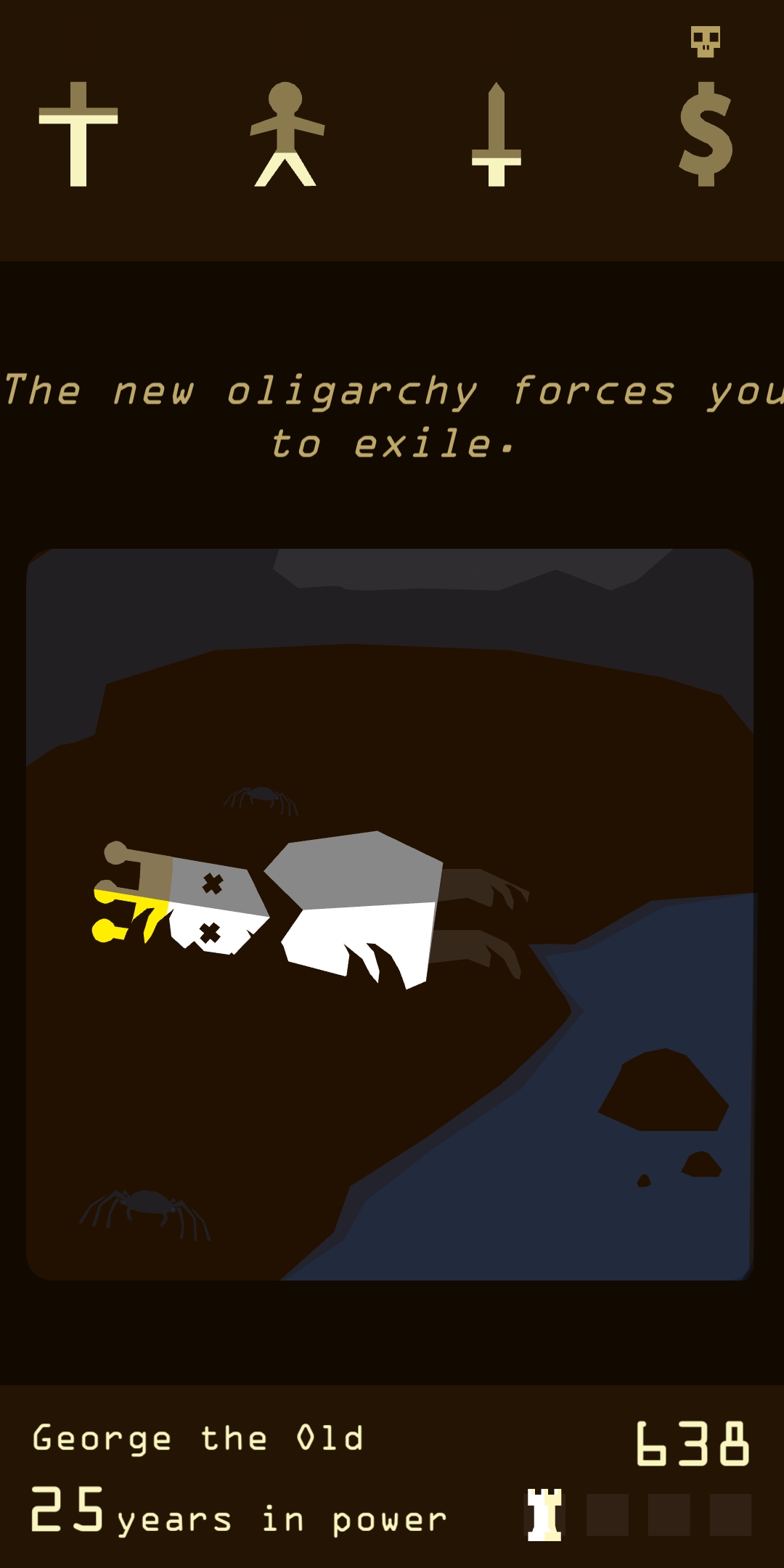
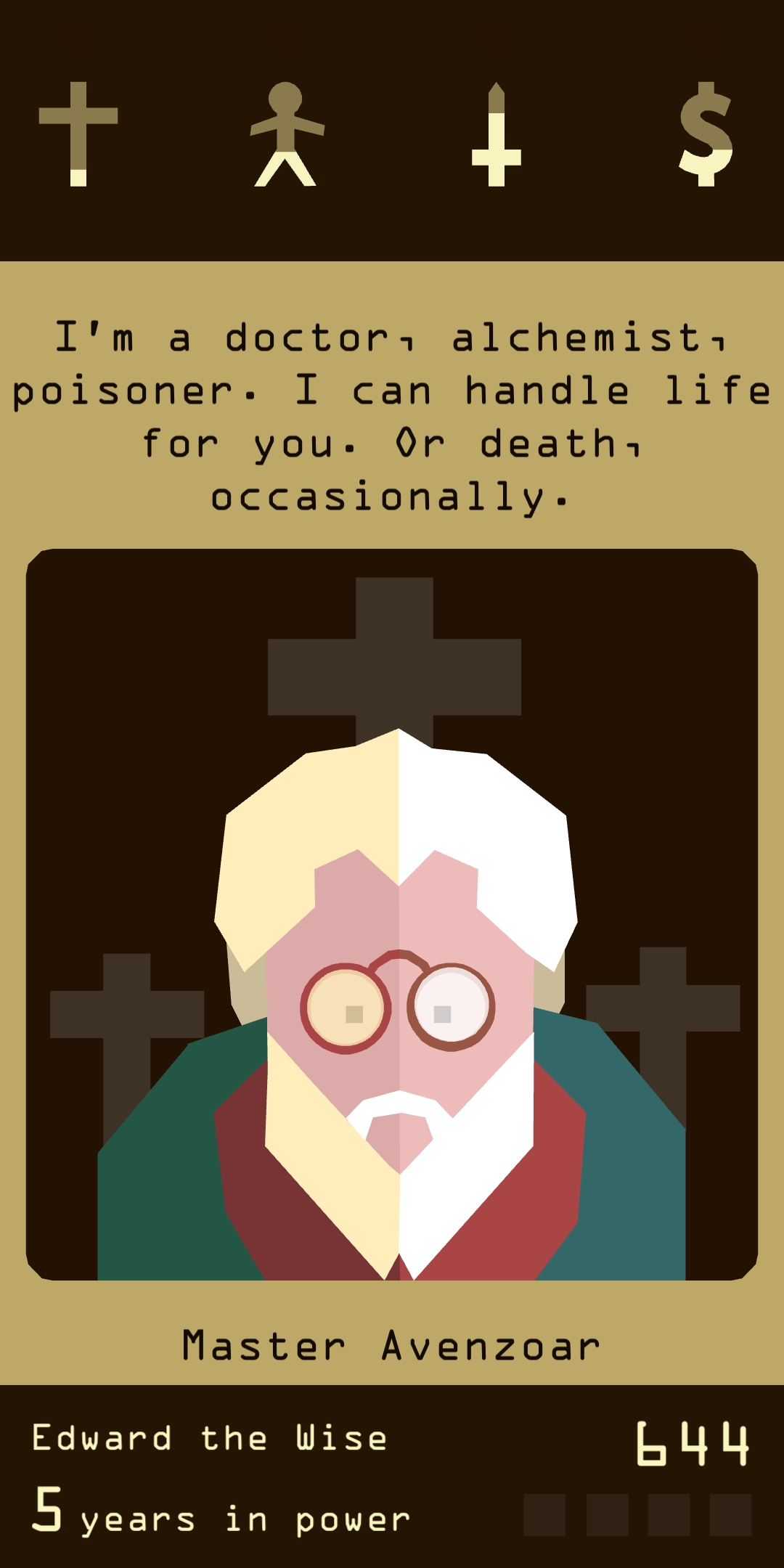
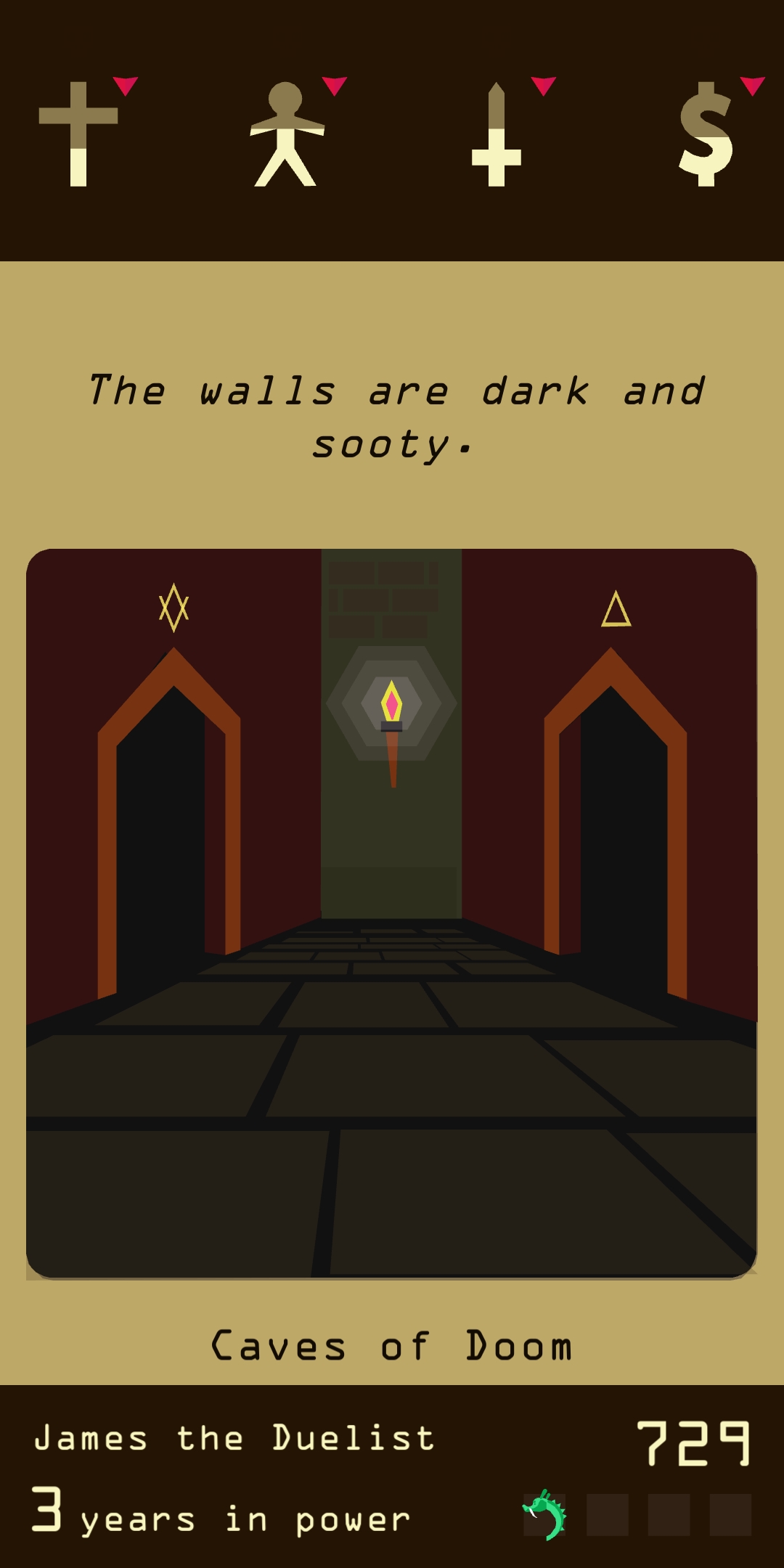
Reigns is the first game in the Reigns series, first released in 2016 – developed by Nerial and published by Devolver Digital. The concept of the game is brilliantly simple and effective. You are a king (if you would like to be a queen, you can always try Reigns: Her Majesty) at the head of an unruly kingdom faced with many decisions. Each decision is basically a Yes/No decision made by swiping left or right, reminiscent of everybody’s favourite dating apps (Tinder, Bumble, etc). Every decision will affect the 4 key factions that you need to keep in check – the church, the people, the army and the treasury. Deplete any one of those and you will be killed; allow any one of them to max out and you will be killed – dying will end your current reign and you will start as a new ruler. There are some really interesting characters, decisions and surprises that will keep you on your toes at all times.

Worth it?

Reigns is a wonderfully simple and yet surprisingly deep game. Some story lines and characters immerge after several lives or even the devil himself. The game will set you back around £1.99 (or $2.99), which is quite worth it, even more so if it is on sale. My single biggest issue with the game is the rotation on mobile – it doesn’t listen for the phone’s rotation (even if locked) and will auto-rotate, making it quite annoying when you’d like to keep the game in portrait, like if you are lying down. Other than that it’s really hard to fault the game. Occasionally if you close the game mid-reign it may not save your progress.

Overall it’s a nice looking game, with simple yet entertaining mechanics, a surprising amount of depth, loads of achievements and objectives to unlock. It’s cheap and has loads of replay value; perfect for either short time-killing sessions or lengthier runs.

Tips

  • The little dots above each of the factions indicate how big an effect that decision will have, however you don’t know if it will be a positive or negative effect
  • Decisions that continuously affect your standing with a faction will increment it constantly, meaning you can wait for it for a minute or two to fill/deplete before making a decision
  • Build the barn – this will come in handy if the people decide to turn on you, giving you an extra shot
  • Understand what adds to a faction’s standing and what detracts – over time you will get better at keeping them all in check
  • For tips on a long reign, check out the wiki: https://reigns.fandom.com/wiki/Strategy

Useful Links

Punch Club

The Game

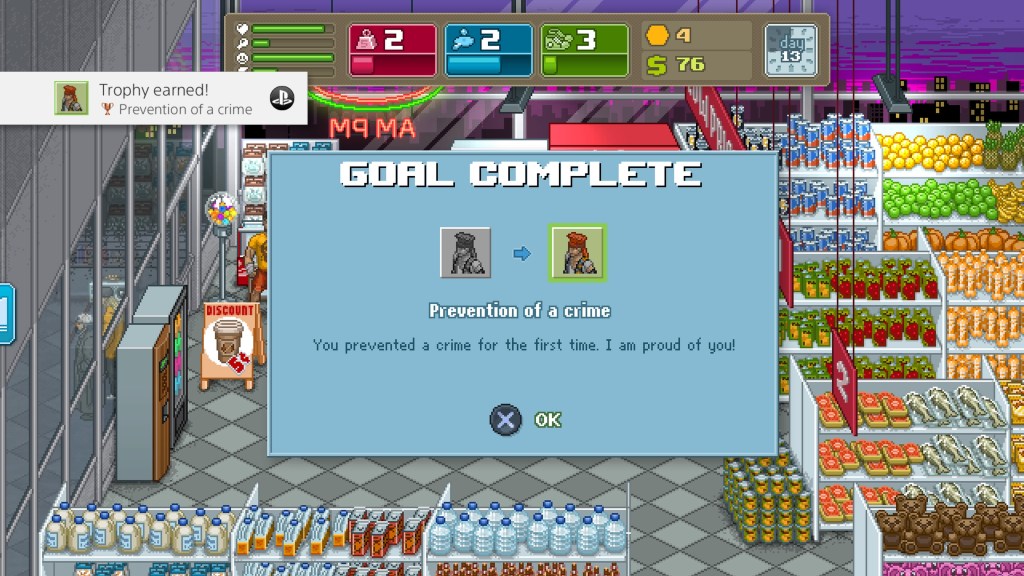
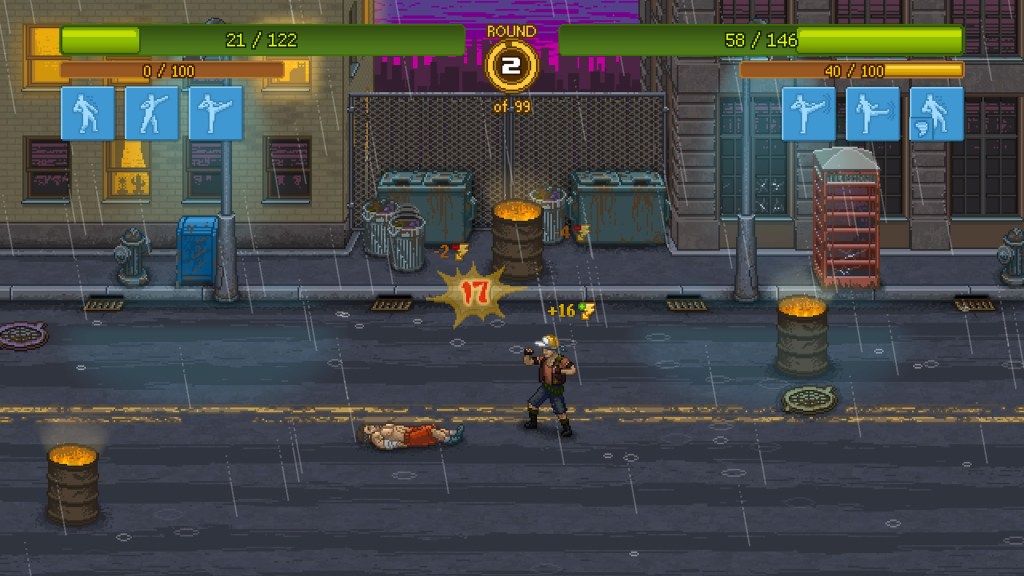
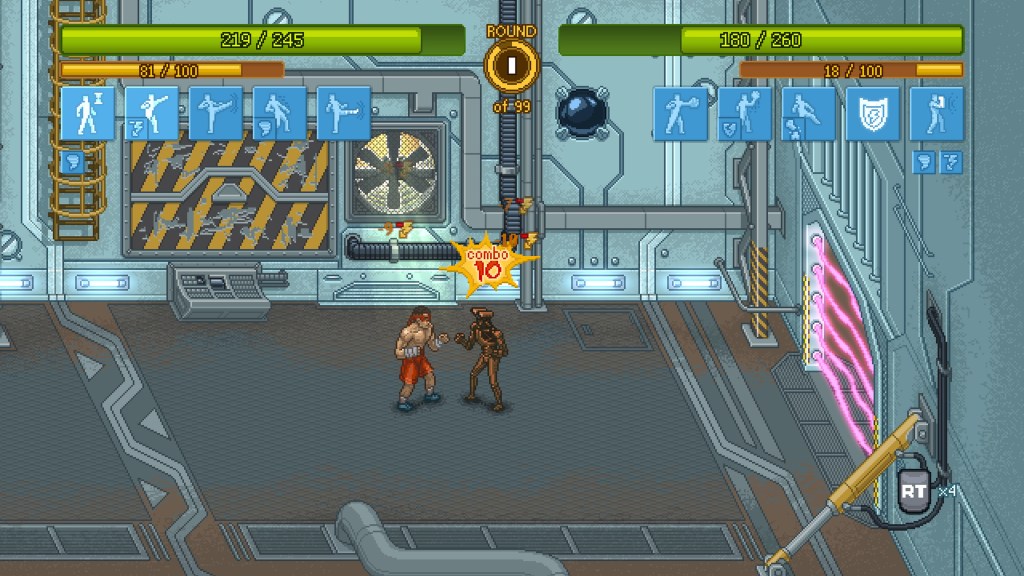
Punch Club developed by Lazy Bear Studios and published by tinyBuild is a pixel graphics fighting simulation game. With elements reminiscent of Sims and loads of references to cult classic films there’s quite a bit to unpack with this game. The game has a fairly simple and straightforward gameplay loop consisting of training to level up your stats, working to earn cash and fighting your way to becoming champion of the world (technically you watch your character fight).

Every day you will have to balance exercise, work and other tasks to progress, at the end of every day you will lose a significant chunk of your stats. There are three main attributes that you can develop – strength (red), agility (blue) and stamina (green). Different gym equipment will level you up at different speeds, exercise too long on one piece of equipment and you’ll start earning less points, so make sure to change up your routine as soon as that happens. Your stats tie in to your fighting abilities and skills. After each fight you will learn skill points which can be spent learning new skills, moves or perks. As if all of that wasn’t enough you also have to ensure you’ve got enough food, energy and happiness each day. In the early game finding the balance between working to earn money and training is particularly difficult, so you’ll probably be stuffing yourself with frozen pizzas for quite some time.

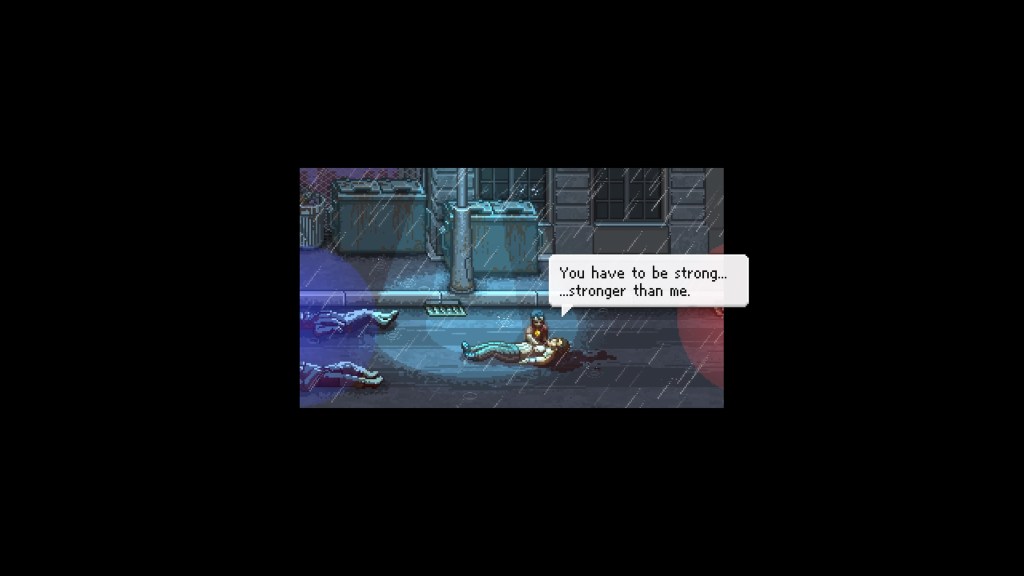
The story focuses on a character who dreams of becoming a great fighter and avenging his father’s death. As you become a better fighter more elements to the story will unfold, as well as some side-stories, which actually get pretty weird after a while. The game world is packed with references to movies like Fight Club, Rocky, The Simpsons, John Wick and even Jay and Silent Bob (if you look outside the store) and some truly beautiful pixel art.

Worth it?

This isn’t an easy game. Especially the early game can be particularly hard as you balance working, training and fighting. Once you start to unlock better jobs, some home equipment and more skills things begin to get a bit easier and the game starts to click. The mid-game (from Din Kong) onwards begins to get a bit easier, however it is also worth noting that this is an extremely grindy game. While losing some stats every day makes sense and is an established mechanic it also makes the game really hard and you will be spending an extremely long time levelling up your stats (especially for the final fights). While it is quite punishing, it also makes for a good challenge. Some story lines will also present you with choices which will affect them, potentially making completion for those story lines unachievable.

You can get the game for around £1.50 on sale, which is absolutely worth it. The game provides a good challenge, is wonderfully aesthetic, has an interesting story and loads of film references to keep you going. It will take you quite a few hours to complete your first playthrough and you may be tempted to do a second one after (maybe even a speedrun). The sound track can get a bit repetitive after hours of grinding and the game itself can get a bit repetitive and grindy towards the end, but other than that it is quite difficult to fault it. If you see the game on sale, grab it.

Tips

  • In the early game meat is the most effective cost per food item, however pizza is better at recovering your health
  • Making money is only difficult in the early game – focus on getting your own equipment at home so as to avoid the daily cost of the gym
  • The skip attack skills is very useful if you are draining your energy very quickly
  • Adapt your strategy from round to round – try out different moves, counters and defensive moves
  • Fights will teleport you directly to the location so you can save yourself the walking
  • Keep skills just above a level if the day is about to tick over, so you can easily get it back up again at the start of the new day
  • Focus on unlocking the extra skill slots early in the skill tree
  • Look ahead at what gets you where in the skill tree, plan ahead
  • Once you are living with Din Kong focus on upgrading daily allowance asap, money will also become a trivial concern pretty quickly then
  • You can collect the prize from Mickey in the trailer park twice
  • Skill unlock cost caps at 25
  • The flower locations for Adrian are: Roy’s garden, the Warehouse, the Bar, Mick’s office and your house
  • Check out the wiki for more tips/tricks

Useful Links
Valthirian Arc – Hero School Story

The Game

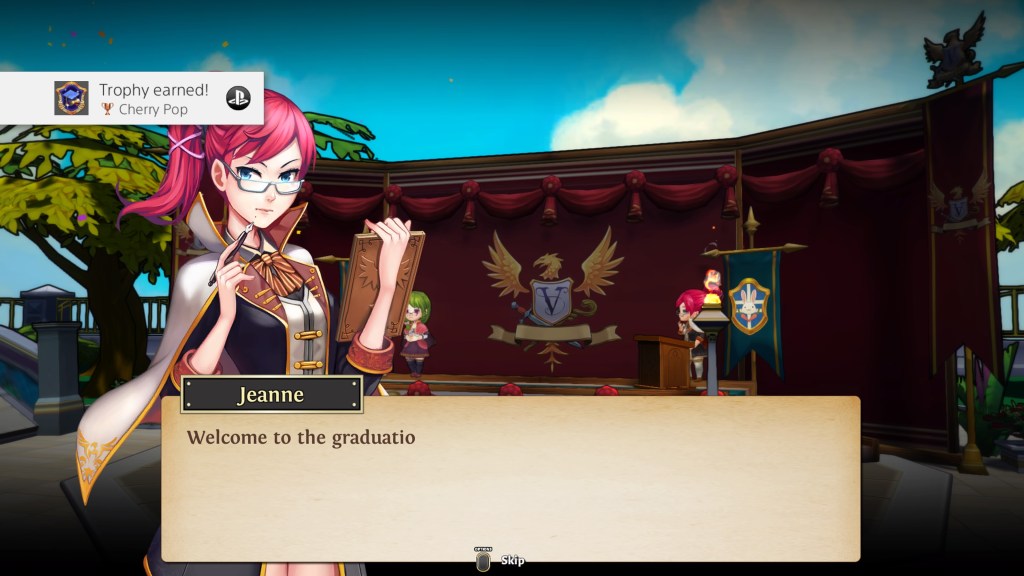
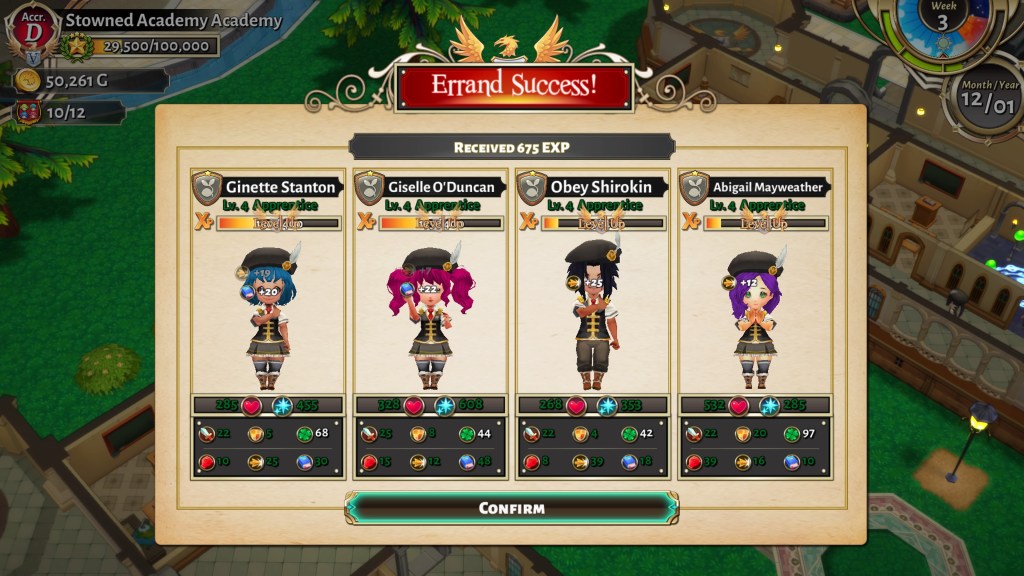
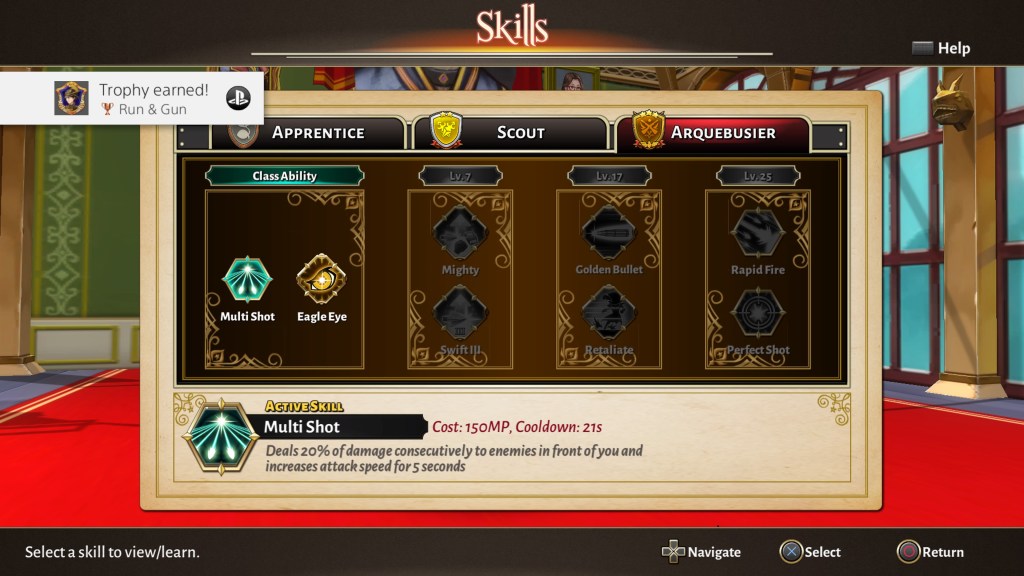
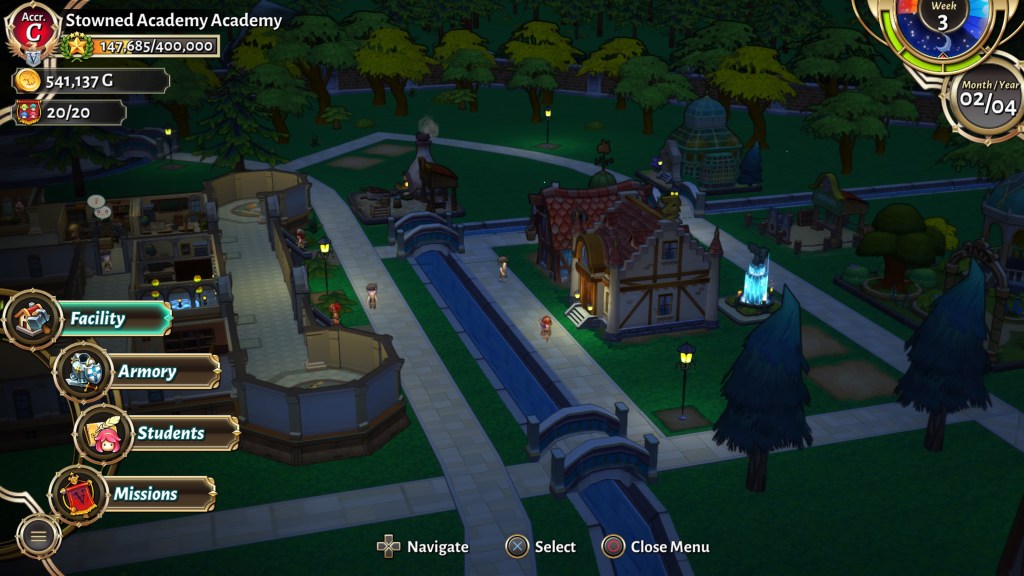
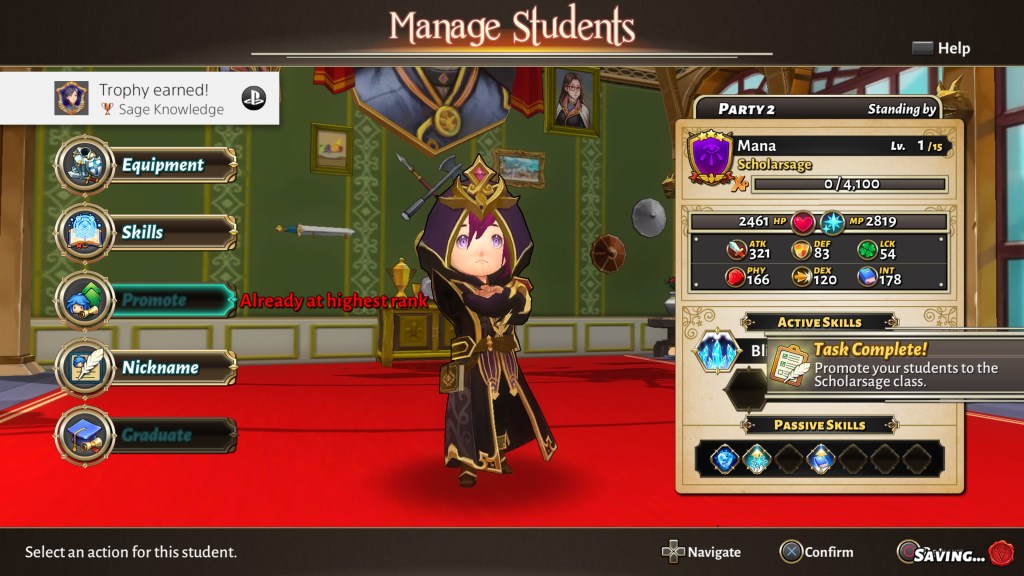
Valthirian Arc – Hero School Story by Agate Games is a rather weird, but strangely addictive game available on PC, PS4 and Switch. A quirky art style and a mix of anime and cute characters make this quite an interesting game. There are two aspects to Valthirian Arc – on the one hand you are a principal managing a school for heroes. You will need to build and upgrade various classrooms and facilities around the school while also upgrading your students and crafting them new gear. At the end of each academic year you have to graduate some of your students in order to obtain a large lump some of cash and experience.
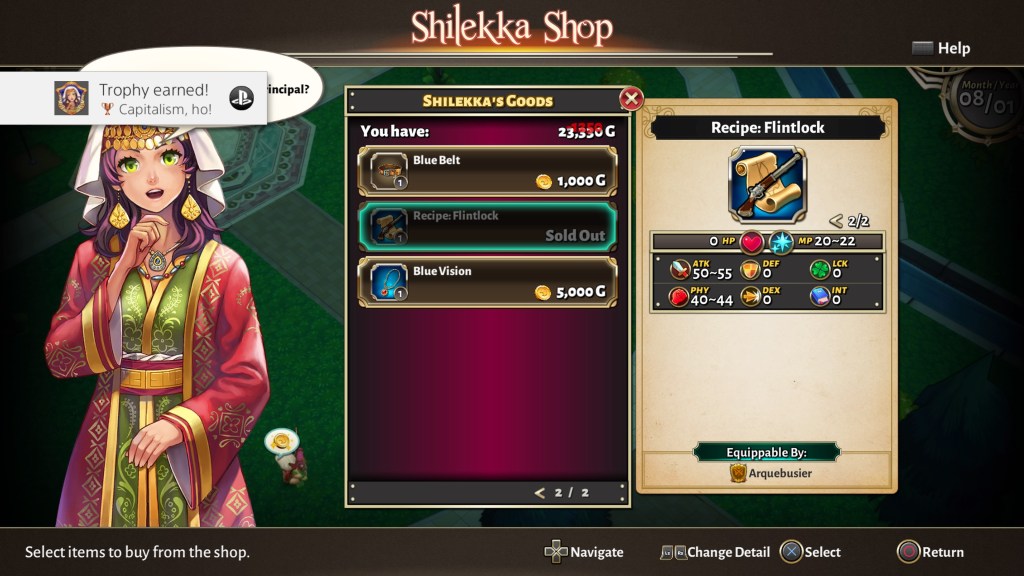
The second aspect of this game are the actual missions that your students are sent on. These are essentially little randomised dungeons in which you usually have to find some items or kill some mobs. This encompasses the core gameplay loop in which you go out on missions, find loot, gain experience, followed by levelling up your students and eventually graduating them and enrolling new ones to repeat the process with. As you advance the story and acquire more experience your school will grow, allowing you to place more buildings and unlock specialisations for your students.

Worth it?

The game is available on Steam for £11.99, I got it on sale on PS4 for around £2.50. Realistically, the game isn’t really worth much more than £5.00, but it does have an addictive quality about it where you keep thinking to yourself – “just one more mission or one more graduation”. The gameplay does get quite repetitive quite quickly, but the prospects of improving your students further and further and unlocking the various specialisations can keep you engaged for quite a while.

Overall the story isn’t anything overly compelling, although it does appear to have a couple of variations on the end result. There’s an interesting variety of mechanics, from managing and building the school, to crafting gear and upgrading students. It has a weirdly addictive side to it that does make you want to keep playing for some time. If you focus on doing only the main story line missions you can probably complete it in around 5-10 hours, however doing side quests and favours is a great way to earn more cash and upgrade your students even more. If you spot this on sale, it’s definitely worth a try if you fancy something a little bit more quirky.

Tips

  • Do not send all parties on idle missions (ones that play out on their own) as time advances really slowly when you are not out on a mission.
  • Always ensure you have on party with which to play out missions while the others can go on idle ones. You can use the main party to advance time by completing the missions.
  • Don’t get too attached to your students, you will have to graduate them at some point as newer students joining will have a higher level cap.
  • The dirk is a great weapon for the lowest class students.
  • Always buy everything you can from the travelling merchant.
  • There’s little point in crafting most of the lower class weapons as you’ll tend to find a lot while out on missions.
  • Invest in buildings and rooms that give you extra cash early on, you can always delete or replace them later on.
  • Item drop rate is capped, regardless of how many rooms you have that buff it.
  • Look out for students’ base stats when enrolling them – you can specialise them based on these. Focus on their strengths.

Useful Links