Nubby’s Number Factory

The Game

Nubby’s Number Factory is a plinko-style roguelike developed and published by MogDogBlog Productions and released on Steam on 7 March 2025. You are a low-ranking employee at a number factory, and your job is to launch a small spherical friend called Nubby down a pegboard to make bigger and bigger numbers. Miss your quota and, according to the Steam page, the sun explodes – the story is a daft excuse for the loop, and it is all the better for it.

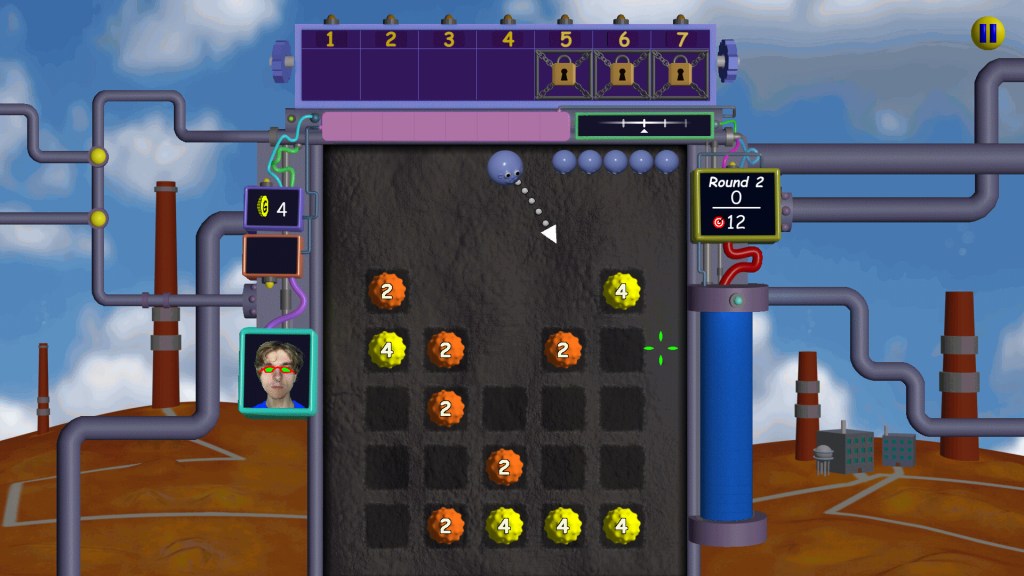
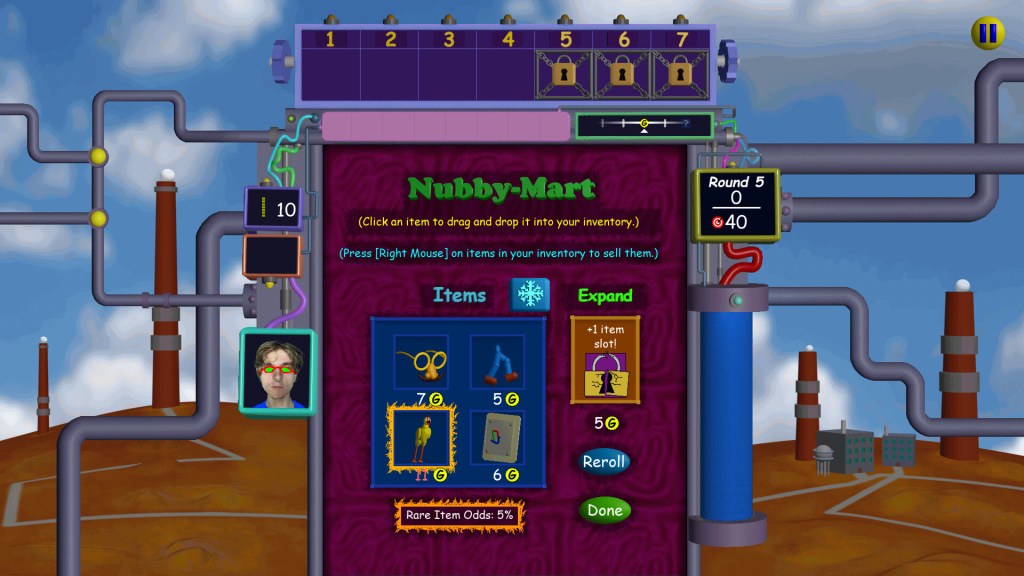
Each round you aim Nubby at a board of numbered pegs. Every peg you hit scores its value and shrinks (or pops), and you need to reach the round’s target score before Nubby falls out of the bottom. The target is worked out from the total value of every peg on the board and then multiplied by a number that grows as you visit more shops, so you cannot just coast. Every few rounds you visit the Nubby-Mart to spend coins on items that fill up to seven slots, and these are what the game is really about: items that double pegs, pop pegs, add flat points or trigger each other in chains, plus perks and a second shop called Cafe Nubby that you unlock by buying all the extra slots.

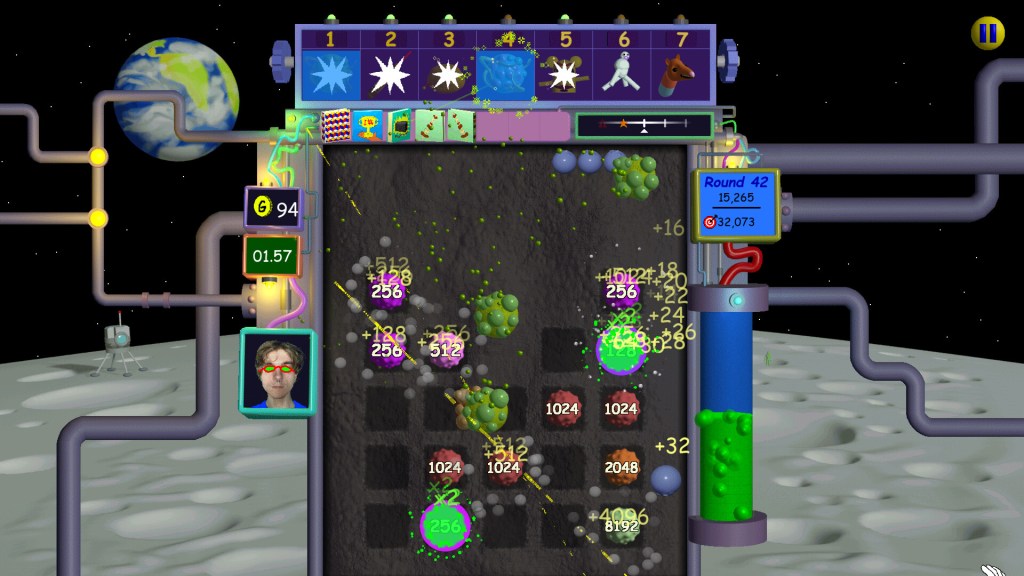
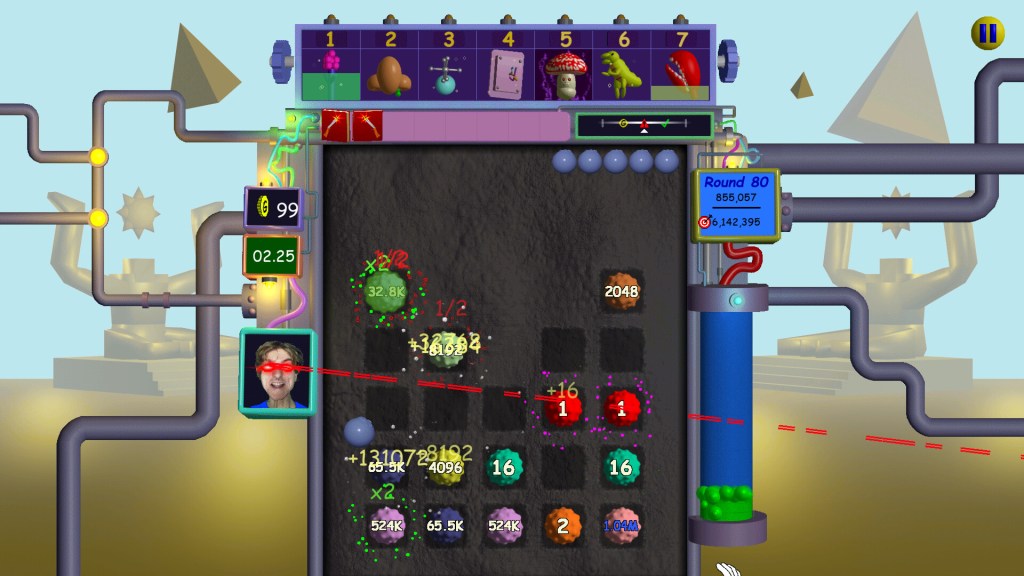
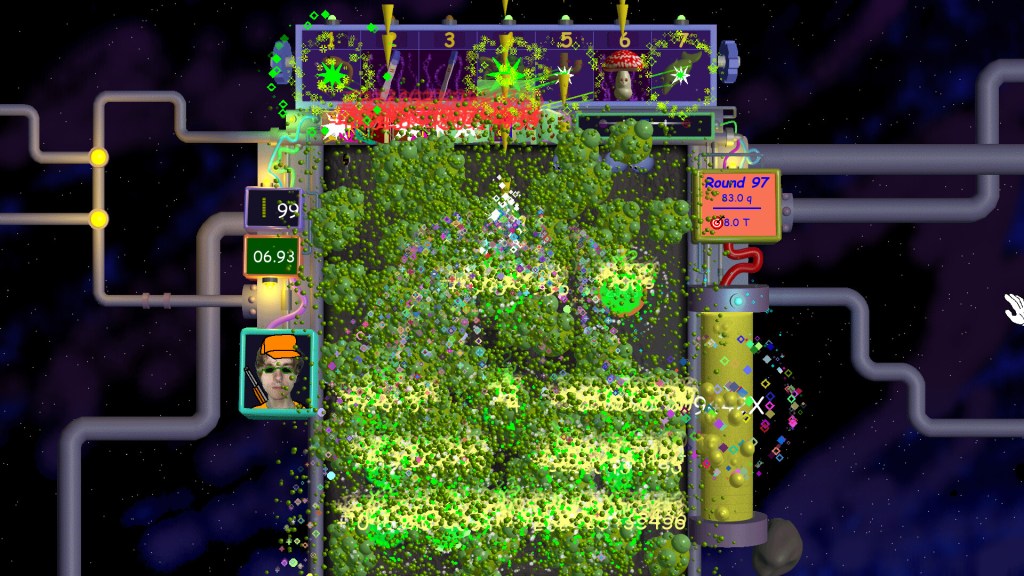
A run lasts 80 rounds, with a boss every 20 rounds and the scenery changing zone as you go, and after that Endless mode starts. The Steam page promises over 50 unique items and the build variety is the main draw – the screenshots below go from a simple round 2 board to the glorious chaos of round 97.
Worth it?

Nubby’s Number Factory costs £4.29 on Steam in the UK (price checked on 25 October 2026). The lowest UK price SteamDB has recorded is £2.14 (50% off), so a sale makes it a no-brainer. It is available on PC (Windows only) and is rated Playable on Steam Deck.

It is a very easy recommendation on price alone. Steam reviews are Overwhelmingly Positive, at about 97% positive. The standout feature is the way builds snowball: finding an item combination that sends the numbers into the millions, billions and beyond is hugely satisfying. The main criticism is randomness – the bounces and shop offers can sink a run that looks like it is going well, and a single bad drop can undo a build, there are times when the game feels quite punishing and has definitely resulted in some rage quits.

Overall, it is a cheap, addictive game that is perfect for short sessions, and well worth the price.

Tips

  • Early on, buy items that give flat points, such as Cheese House, Poop Butt, Finger Puppet, Squirmy or Sea Cucumber – they earn you restocks and coins quickly, which lets you afford better items
  • Sell those flat-point items once they stop contributing – by the mid and late game the target is far bigger than they can handle
  • The target score is based on the total value of all the pegs on the board, so look for items that add value to pegs rather than just popping them
  • In the late game the target outgrows the total value of the board, so clearing every peg is not enough – you need doublers and items that raise peg values, such as Kazoo, which doubles a random peg every 1.5 seconds
  • Buy the extra item slots (5 coins each, up to a maximum of 7) – once you have bought them all you unlock Cafe Nubby, which sells single-use food items
  • Freeze an item in the Nubby-Mart by dragging it onto the ice (snowflake) icon so it stays in its slot when you reroll or come back later, and click it to unfreeze
  • Right-click an item in your inventory to sell it
  • Perks and items that force-trigger your item slots work well with doublers like Kazoo
  • Expect a boss every 20 rounds, with the main run finishing at round 80 before Endless mode begins
  • Mods: there is no Steam Workshop support. Unofficial modding is done with the Undertale Mod Tool on the game’s data.win file, and the Nubby’s Forgery modloader on GitHub was built for version 1.3.1.5, so it may not work with the current version. Always back up your data.win and your save first

Useful Links

Noobs Are Coming

The Game

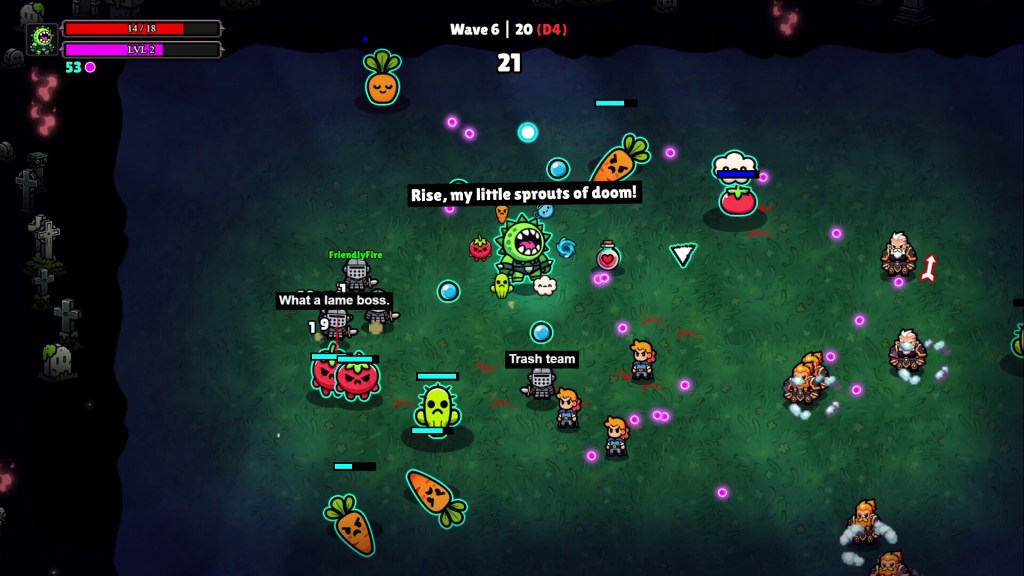
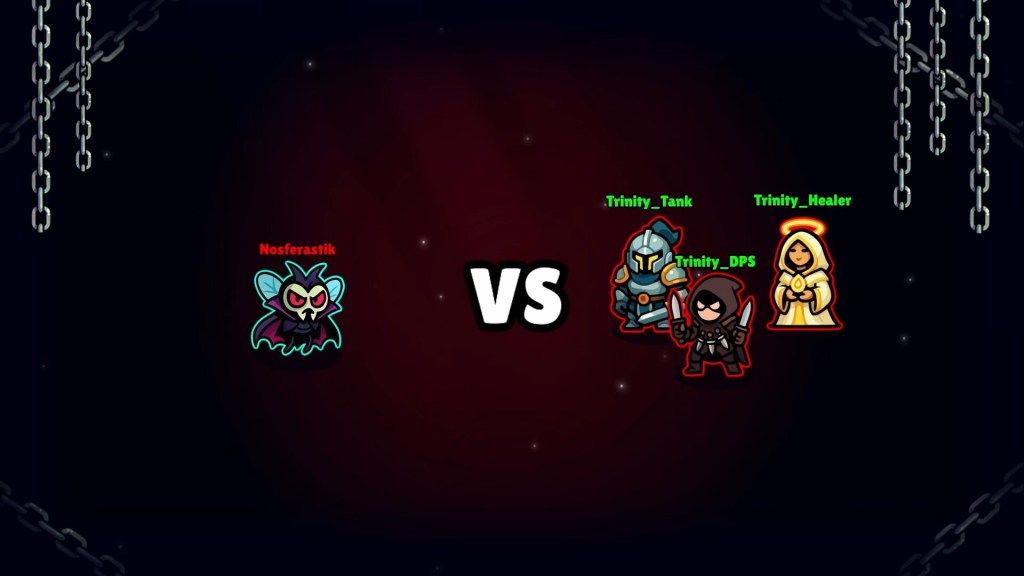
Noobs Are Coming is a synergy roguelike developed and published by Overboy, and it flips the usual fantasy RPG on its head – you are the final boss of an MMORPG, and the “noobs” of the title are the adventurers (complete with silly usernames and chat messages) who keep turning up to kill you. It entered Early Access on Steam on 15 July 2025 and reached version 1.0 on 27 November 2025. If you have played Brotato the format will feel familiar – the developer lists it and The Binding of Isaac as the main inspirations – but the boss theme gives it a personality of its own.

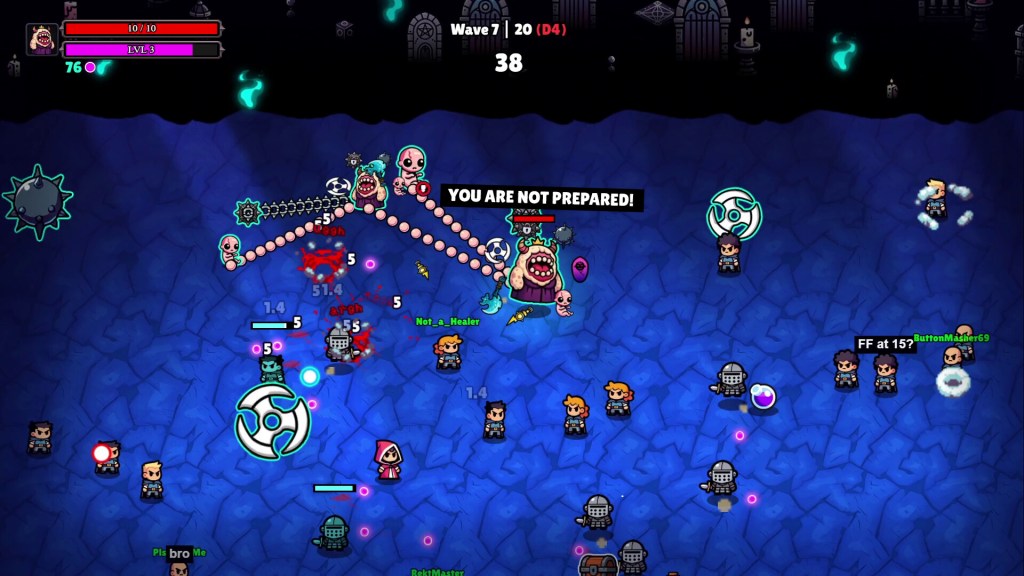
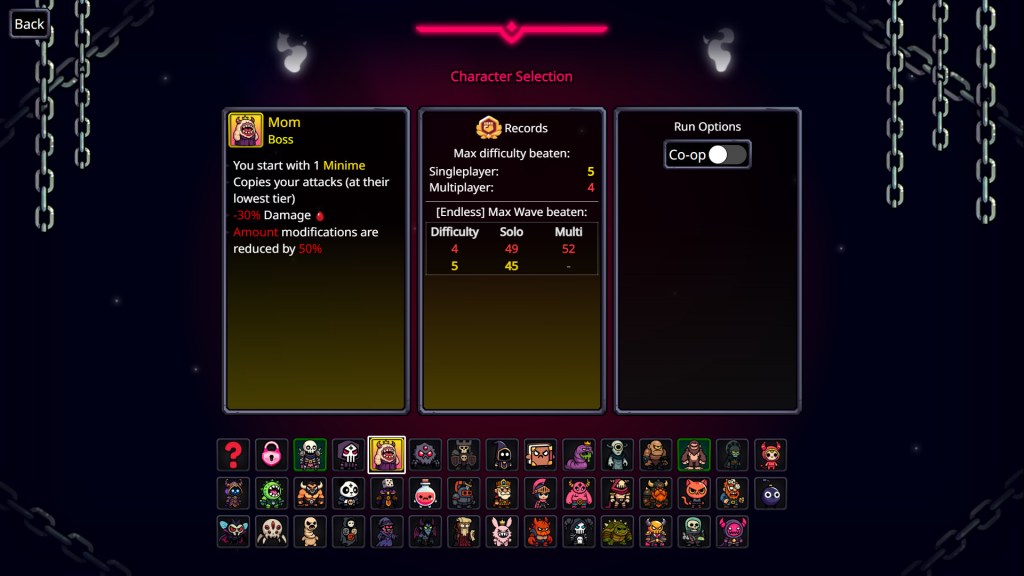
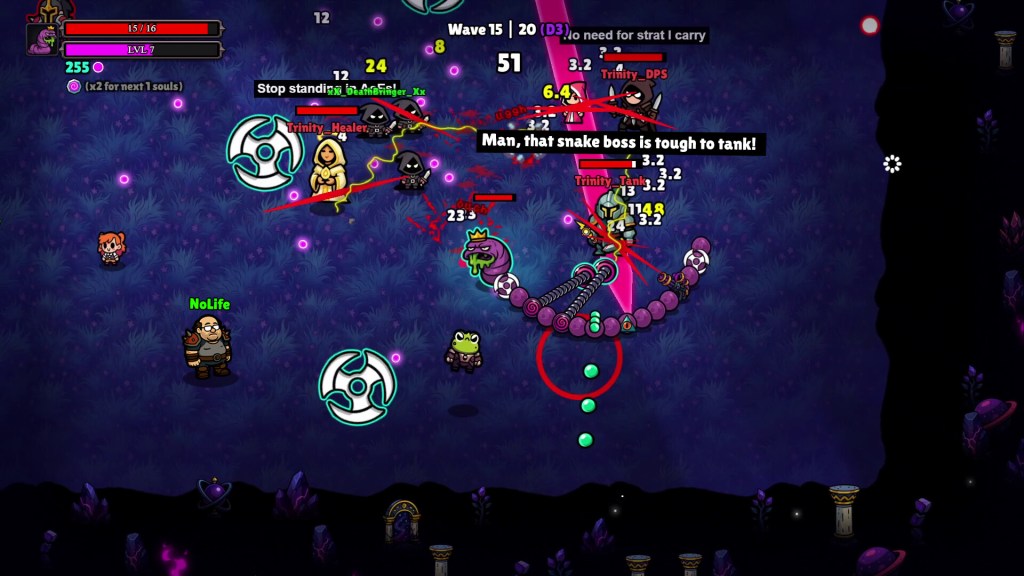
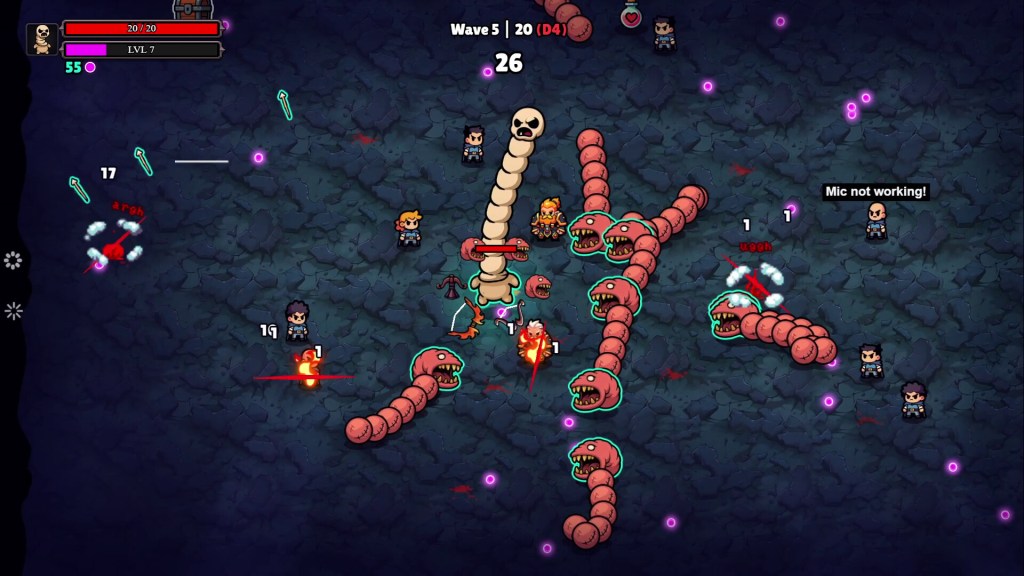
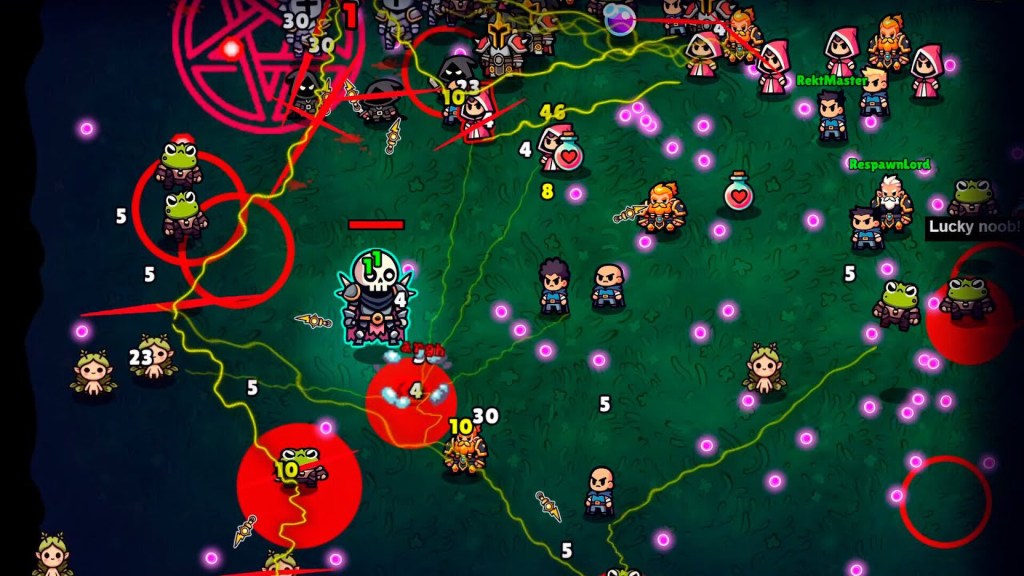
You pick a boss from a roster of 45 playable characters, each with its own effect, and survive wave after wave of heroes in a small arena. Between waves you spend souls in the shop on attacks (70+ of them, including boss patterns, minions, plants you can water and physics attacks such as chained spikeballs that you can kick around) and items (150+) to build a ridiculous, synergy-fuelled monster. There are 138 unlockables, five difficulty levels plus an Endless mode, a Character Merge feature that combines the effects of other characters, and runs that take under 30 minutes.

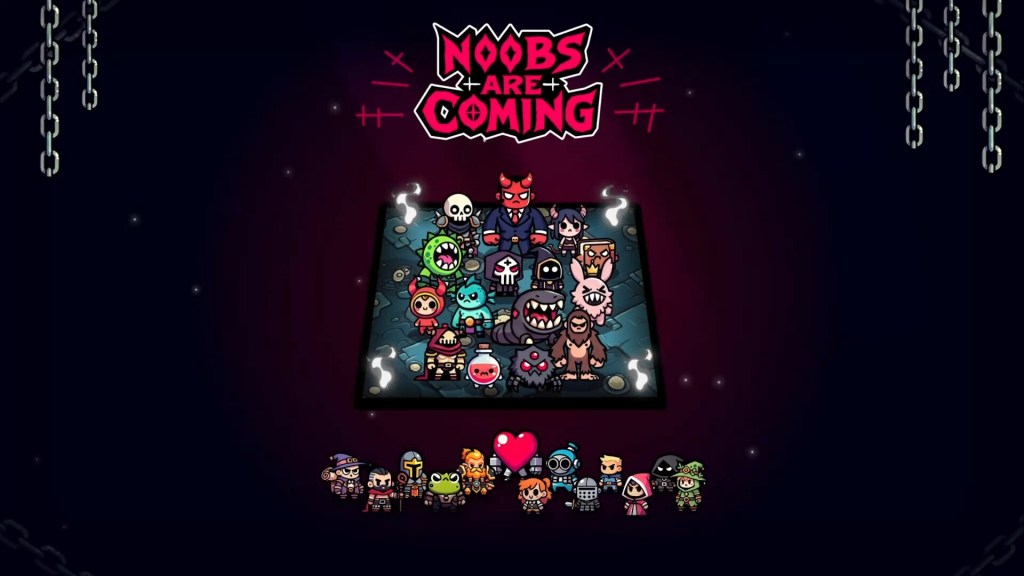
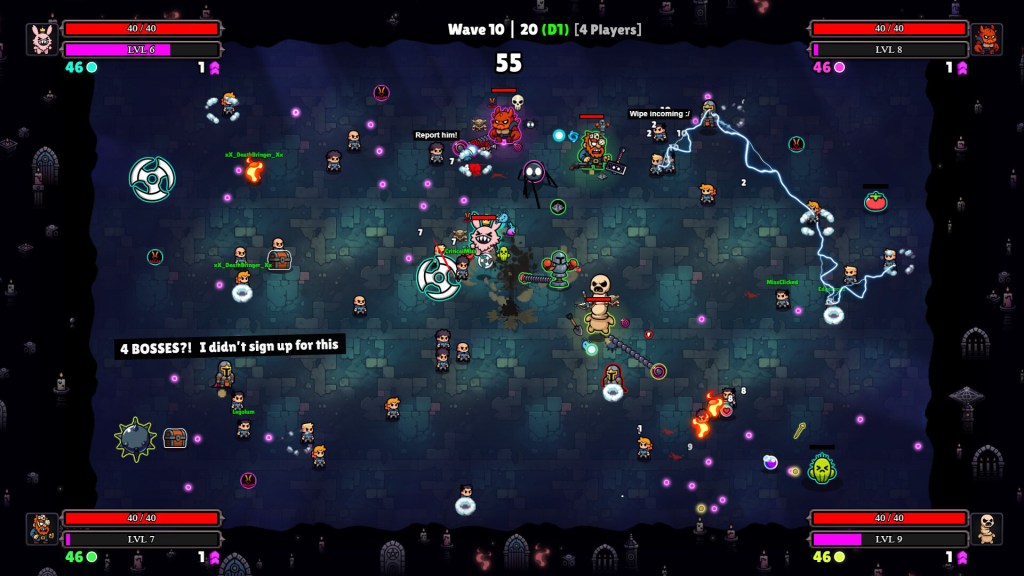
It can be played solo or with up to four players in local co-op, and online through Steam Remote Play Together. There is also a Twitch streamer mode which pulls usernames and messages from your chat to name the noobs. The screenshots below show the title screen, the character select, a few boss builds and the four-player co-op mode.

Worth it?

Noobs Are Coming costs £6.69 on Steam in the UK (price checked on 25 October 2026). The lowest UK price recorded on SteamDB is £4.01 (40% off), which was the Early Access launch discount in July 2025, so a sale price in that region is the one to wait for if you are not in a hurry. It is available on PC (Windows only) and is Steam Deck Verified. A demo is available on itch.io if you want a taste first.

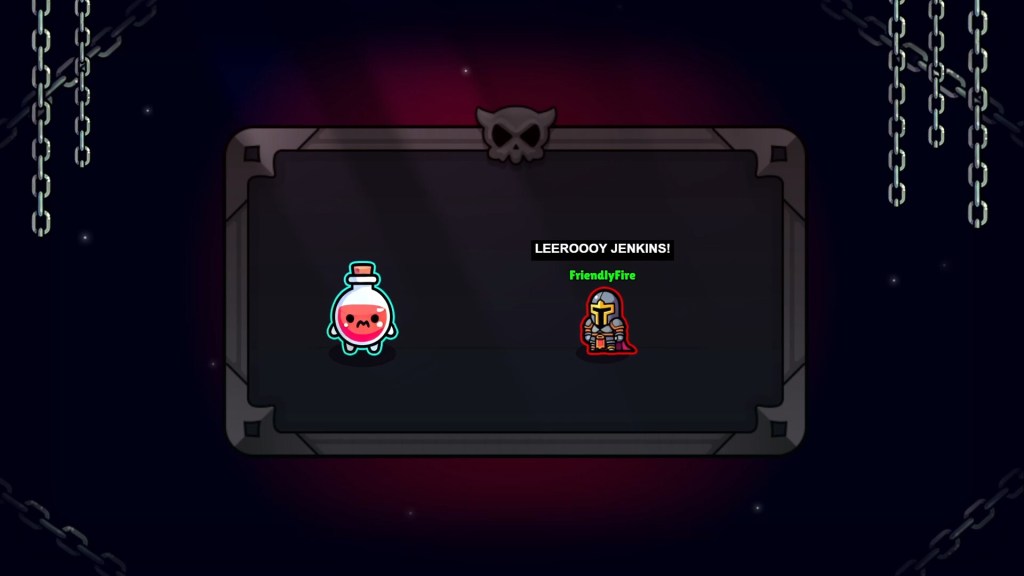
The best things about it are the sheer variety – the characters really do change how you play – and the jokey presentation, with the noobs shouting things like “Leeroy Jenkins” and trading insults. Runs are short, so it is easy to fit in a few at a time. What really makes it shine is the ability to make things go truly crazy with stacking weapons and synergies. Overall Steam reviews sit at around 81% positive from roughly 1,600 reviews, but the most recent reviews were Mixed (47% positive over the last 30 days when I checked), so it is worth skimming those before buying – the developer has been rebalancing the game frequently, so how it plays can shift from patch to patch.

Overall, if you enjoy Brotato-style games and want something with more personality and co-op, it is a fun, cheap pick, and one to buy on sale if you are on the fence. I have sunk over 40 hours into it quite easily and I still haven’t unlocked all the characters – the frequent updates also give it good revisit value.

Tips

  • Skull is a good balanced character to start with before you move on to the stranger bosses
  • Buy survivability first – HP, armour, dodge and regeneration – and only then start stacking damage
  • Turn down the attack opacity in the settings (there is a transparent attacks option) so you can see enemies and projectiles through the chaos
  • Do not grab everything – build around one or two core interactions and attacks that share synergy tags so they boost each other
  • Heroic Noob boss fights appear in the later waves – the developer’s patch notes mention waves 15, 20 and 25 – so have your defences ready before wave 15
  • Character Merge unlocks once you have unlocked 15 characters (it used to be 25), and it lets you combine the effects of other characters
  • Physics-based attacks like spikeballs and wrecking balls can be kicked around, so position yourself to hit enemies with them
  • Difficulty 5 needs only one win on each earlier difficulty to unlock, so you can reach it faster than before
  • In co-op you can set shared souls, shared chests and shared XP, so decide the rules before you start a run
  • Online co-op uses Steam Remote Play Together – only the host needs to own the game
  • Mods: I could not find any Steam Workshop or official mod support for this game, so there are no mods to recommend

Useful Links

Megabonk

The Game

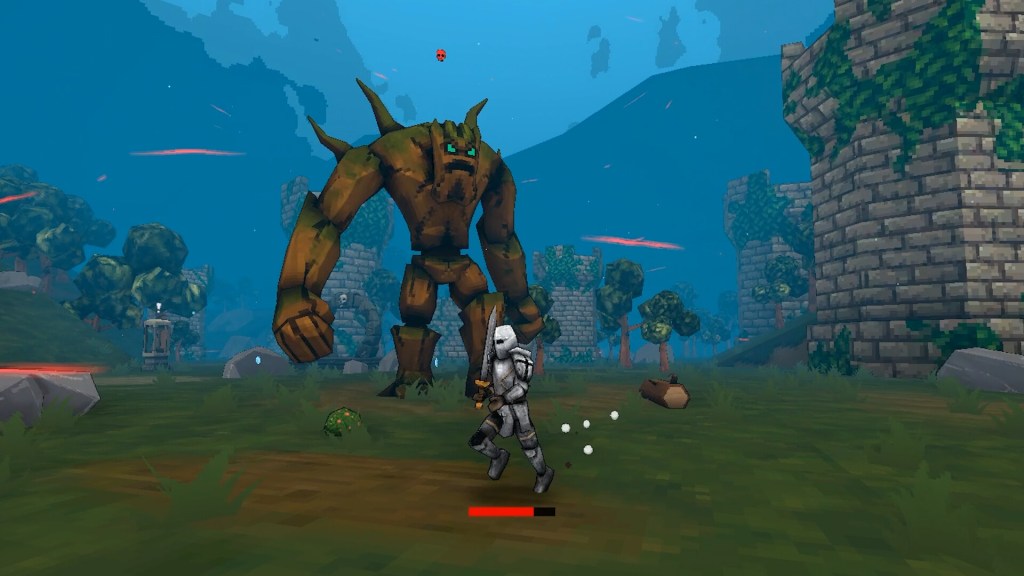
Megabonk is a 3D roguelite survival game developed and published by a solo developer, vedinad, and released on Steam on 18 September 2025. If you have played Vampire Survivors or Brotato the idea will be familiar – your character attacks automatically while you concentrate on moving, and the screen slowly fills with enemies – but here the arena is a full 3D map that you can run, jump and slide around, which changes how the whole thing feels.

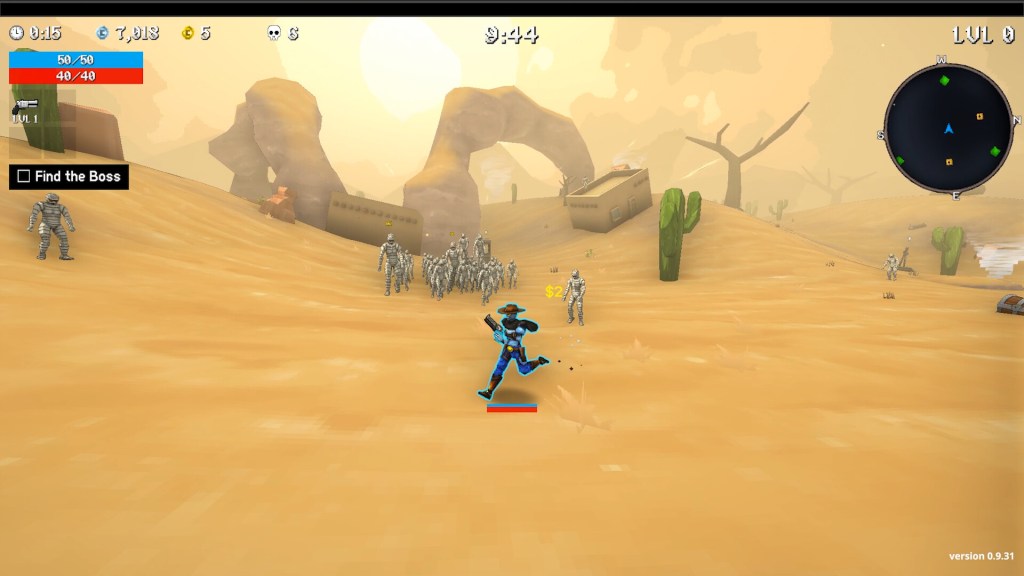
Each run drops you into one of the maps (Forest, Desert and the spooky Graveyard) with a starting character and weapon. You level up, pick from random upgrades, open chests, smash pots and use shrines and merchants to build a ridiculous snowballing character before the time limit and the bosses catch up with you. Between runs, the silver you collect is spent on permanent unlocks – new characters, weapons, tomes and extra slots – and a long list of quests tells you what to chase next.

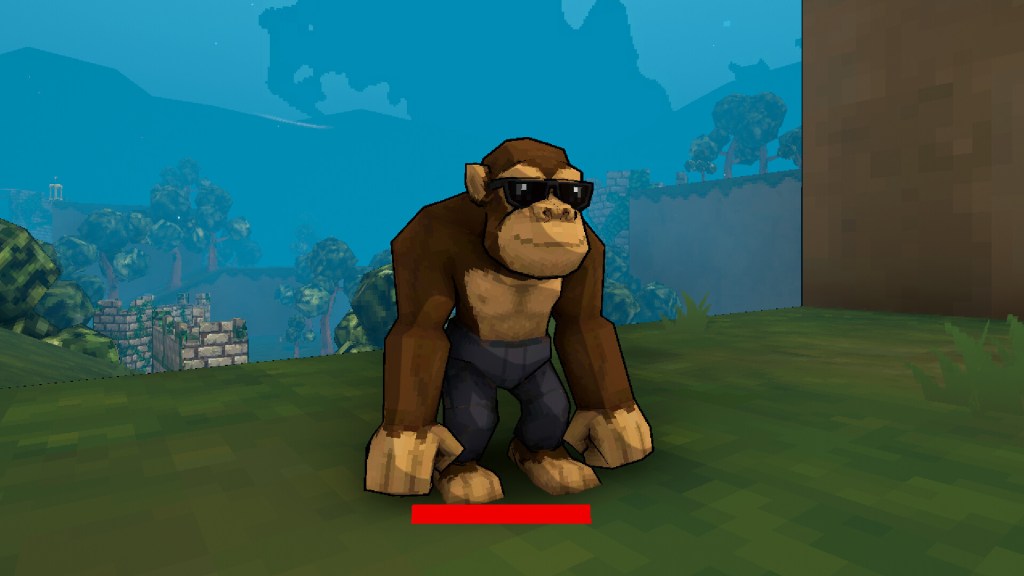
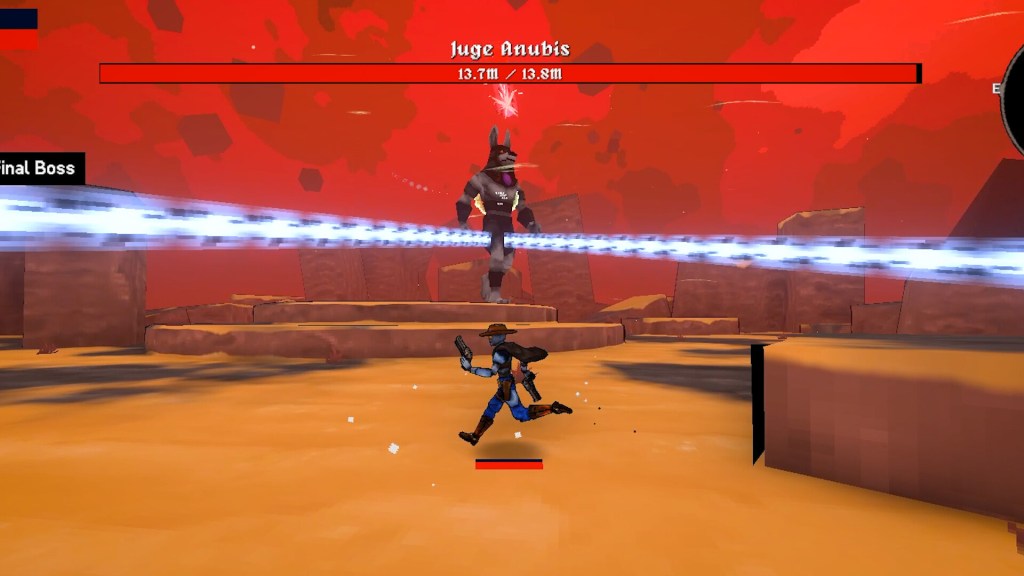
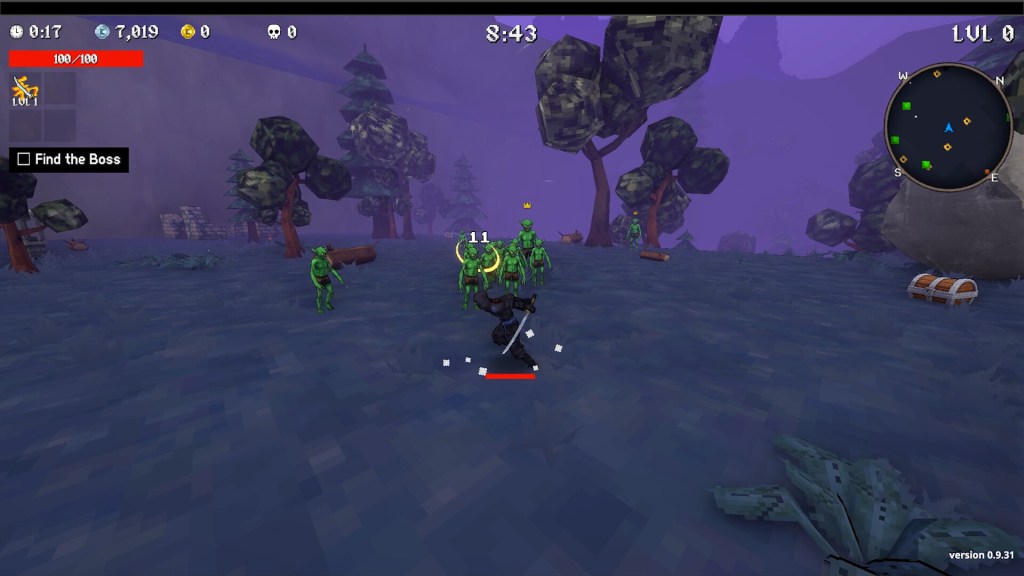
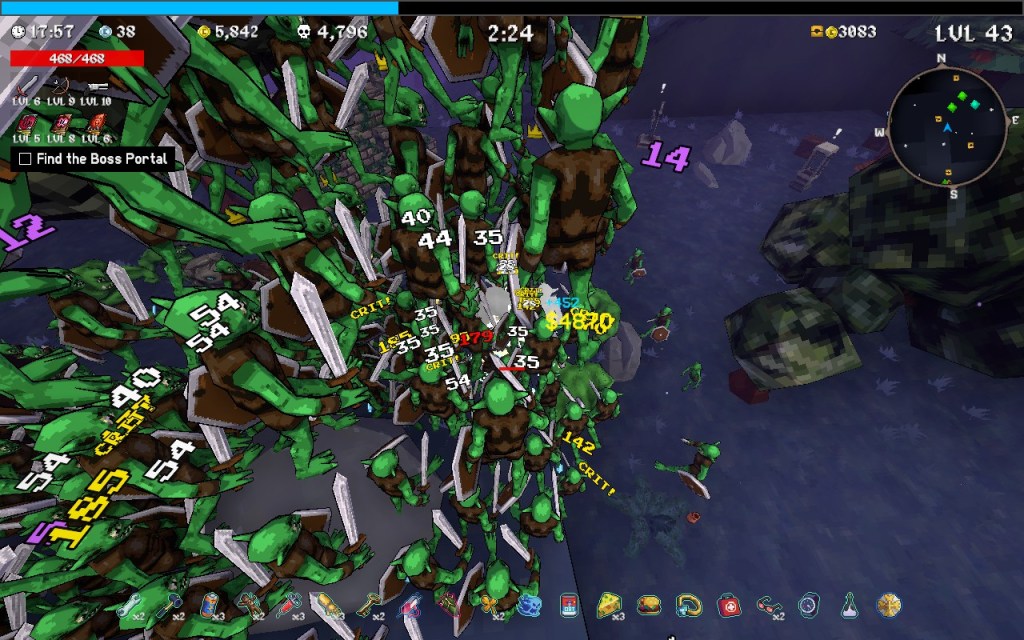
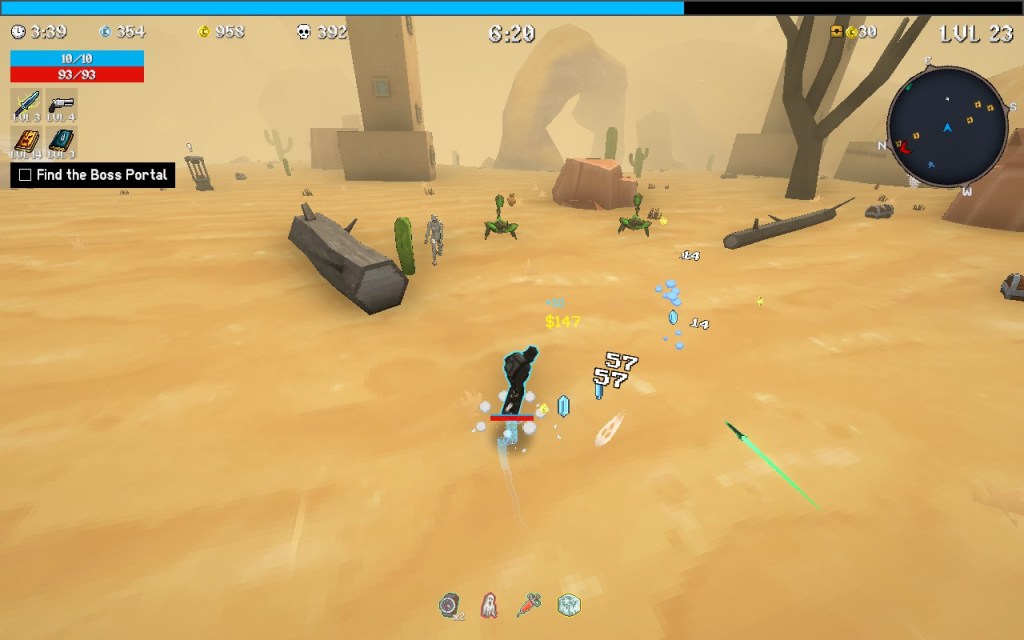
There is no real story here and the developer says as much – it is all about the build and the chaos, with a cast of daft low-poly characters including a sunglasses-wearing monkey and a skeleton on a skateboard. The screenshots below show the Forest and Desert maps, a couple of the characters and one of the boss fights.

Worth it?

Megabonk costs £8.50 on Steam in the UK (price checked on 25 October 2026). It launched with a small launch discount, and the lowest UK price recorded on SteamDB is £5.10 (40% off), which it hit on 17 September 2026 – so if you are patient, a sale of around £5-6 is realistic. It is available for PC (Windows and Linux) and is Steam Deck Verified. There is also a free demo on Steam if you want to try it first.

The standout feature is the movement. Jumping, sliding and bouncing around the 3D arenas while a horde chases you is far more fun than it has any right to be, and the huge range of weapons, tomes and items makes it easy to find a build that clicks. Reviews are overwhelmingly positive, at roughly 93-94% from over 100,000 Steam reviews when I checked. The main criticisms are that the arenas can feel repetitive, the difficulty can spike abruptly, a lot depends on random upgrade luck, auto-targeting can be awkward, and progression slows down after the first few hours. There is also no official multiplayer, although the modding community has filled that gap.

Overall, for the price this is an easy recommendation if you enjoy the survivors-like genre – it is polished, endlessly replayable and very cheap for what you get.

Tips

  • Start with Fox or Sir Oofie, the two starting characters – CL4NK is unlocked by clearing the Forest on Tier 1
  • Silver is spent between runs on permanent Unlocks and gold is spent during a run – meeting an unlock’s requirement is not enough on its own, you also need to go and buy it
  • Break every pot you pass – they are a free source of resources
  • Take extra jumps and movement speed early – mobility is your main defence in a 3D arena
  • A single level of Shield is worth taking, but you do not need to stack it
  • Charge shrines only work while you stand and hold the interact button inside the circle, and Greed shrines make the run harder (about +5% difficulty) in return for more rewards
  • Prioritise Moai statues and merchants early in a run so their benefits have time to snowball, if you use a merchant after you’ve opened chests, their prices will be higher
  • Extra weapon and tome slots come from lifetime quest counts – once the quest is complete you still need to buy the slot in the Shop
  • Refresh, Skip and Banish for level-up choices are unlocked through quest milestones, and are well worth unlocking to steer your build
  • Mods: there is no Steam Workshop support, so install mods through Thunderstore using the r2modman or Gale mod managers and the BepInExPack IL2CPP – do not mix BepInEx and MelonLoader, and back up your save first
  • Useful mods include MegabonkTogether and BonkWithFriends (co-op), BonkTuner, AutoInteract, UnlocksSearch, LoadoutPresets, MegabonkBetterMinimap and SpawnTracker – check each mod page for compatibility with the current game version

Useful Links

Isle of Arrows

The Game

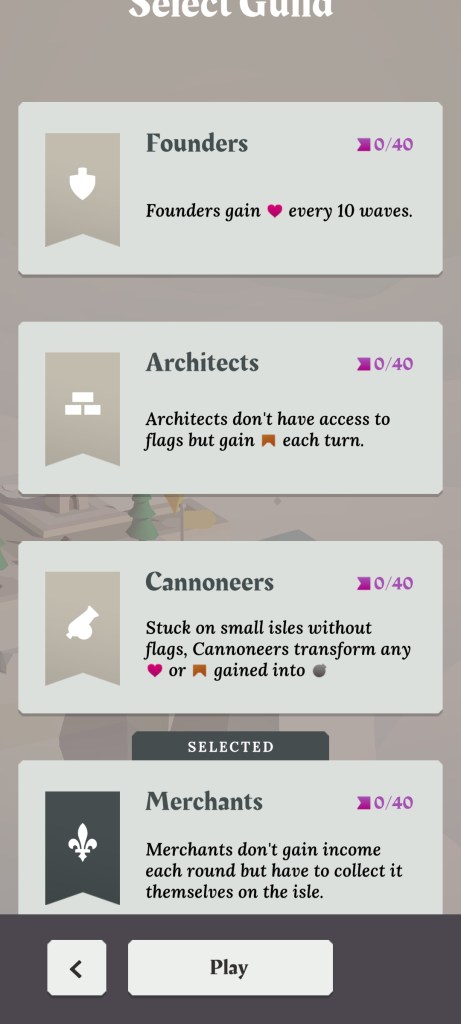
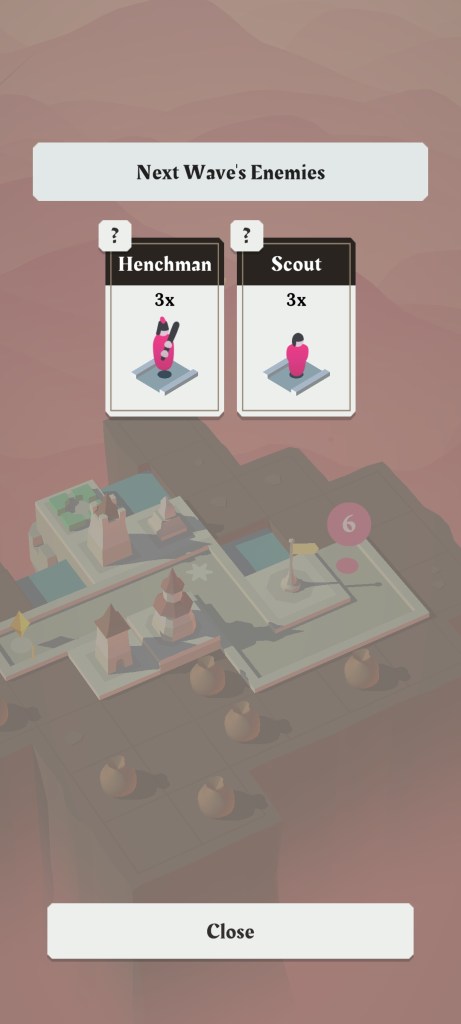
Isle of Arrows developed by Gridpop is a card based tower defence game made by a single developer. The game presents a fairly simple concept of randomised cards that allow you to place new paths or towers onto your island (also randomised each game) and defend against the incoming waves of enemies. There are 5 different classes that can be played, each with different abilities or lack thereof. Aesthetically it’s a pleasing simple low poly and pastel colour palette.

Between each wave you are presented with a new free card to place and can purchase more additional cards for an extra 2 gold. Some cards will have water tiles attached which require some forethought and strategy when being placed as removing them isn’t always easy. There are also random events and relics that can help or hinder you as you progress through the game. As you build up your reserve of cash, every 10 gold, you will earn an extra 1 gold per wave (ie if you have 10 gold, you will get +2 each wave, if you have 30+ gold you will get +4 each wave). There are 3 main game modes to play: Campaign which features 4 main areas, Gauntlet which presents increasing difficulty and challenges and a daily defence challenge.

Worth it?

Isle of Arrows is both an an aesthetically pleasing and beautifully simple game with a good amount of depth and some potential for further development and features. The PC version will set you back around £10, whereas the mobile version is around £5. The game has a few core levels and the gauntlet and daily challenge give some additional gameplay options after you’ve completed those – it would be nice to see even more cards and areas added in the future. Some more customisable game modes would also be interesting, for example custom card/event/relic selection or increased random event frequency. There is a slight issue when trying place paths that may end in a solid block (or blowing them up with bombs).

Overall the game is nicely balanced, providing a good challenge while also remaining fun and interesting. There’s a good deal of gameplay to get stuck into, the game can be played offline and in portrait – making it a perfect mobile game and definitely worth

Tips

  • Try not too spend too much money until you reach around 30 gold, then you can spend each turn provided you don’t dip under 30 gold, so you can ensure you’re getting +4 gold per turn.
  • Think about where you’re placing towers and paths and how they’ll be affected in by future cards.
  • When you get a 2nd or 3rd spawn point added, you can get away for 1-2 waves before you need to add more towers or paths to them – just ensure you don’t overinvest in them, but also be weary of leaving them unprotected – in an ideal scenario you want them to come close to your existing towers and paths.
  • Try and place traps on corners where they can hit at least 2 paths, likewise try and maximise the number of paths that each tower hits.
  • High ground can be very useful with most towers to increase their hit areas.
  • Not all cards are worth placing – gardens or cards with water tiles can make the late game quite difficult if you don’t have enough bombs to remove them.

Useful Links

Townscaper

The Game

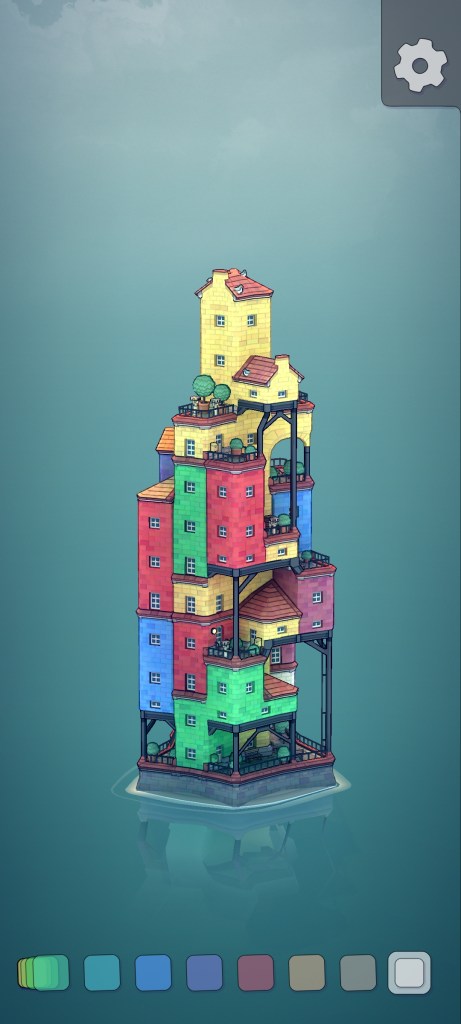
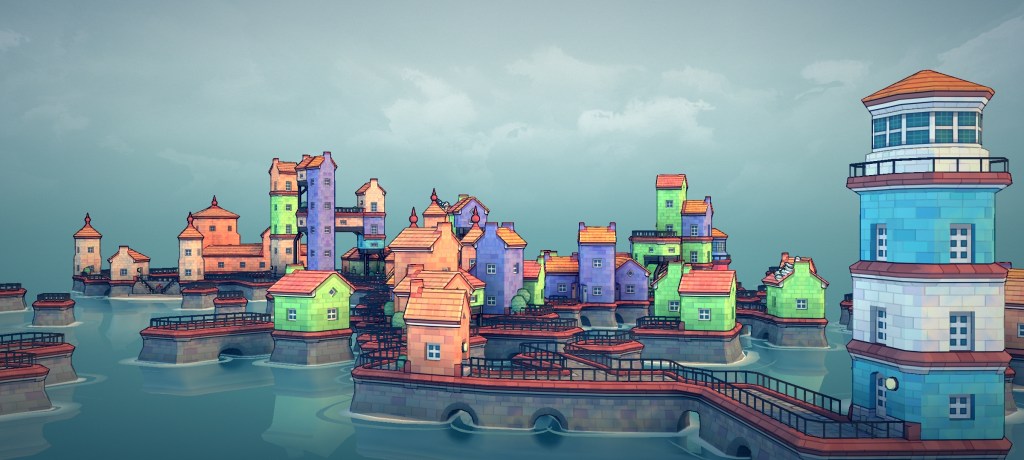
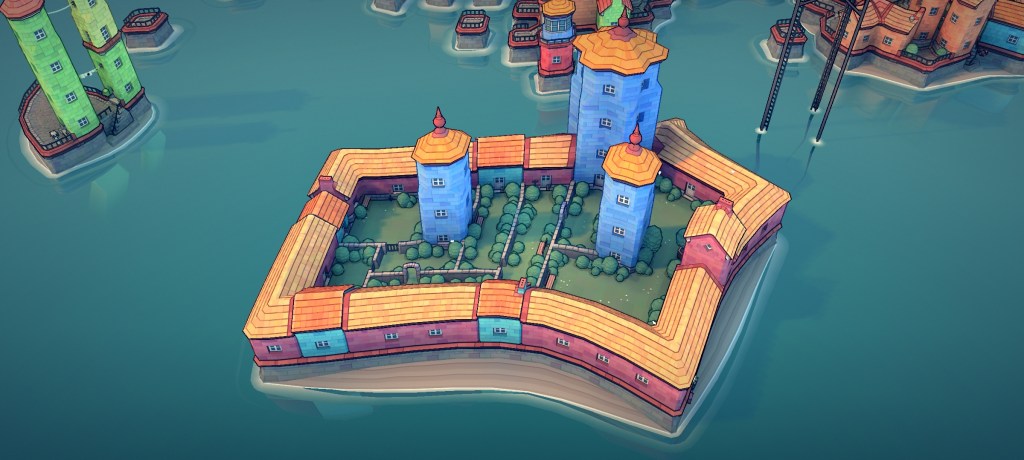
Townscaper is a city building game like no other, made by developer Oskar StÃ¥lberg (creator of Bad North as well). The game allows you to build a procedurally generated city. The game is set on a warped grid allowing for some interesting curves and narrow streets as you build your city. The building process itself is also remarkably simple – just tap to add a block, short hold to remove one and long hold to change its colours. The rest is all up to you. There is no objective, pressure or complexity to the game just an open sandbox for you to create your colourful (or monochrome) island city. As you add different pieces existing ones will change leaving behind houses, terraces, gardens and all sorts of little details to discover. You can choose from 15 beautiful pastel colours spanning the colours of the rainbow and make some truly fantastic creations.

Worth it?

Generally speaking, the game will set you back around £4.99 which can seem a little bit steep for what’s essentially a city painting app. However, when you observe the detail and appreciate the effort that has gone into the game you appreciate it more and more. It is a great mobile game and perfect time killer. You can spend hours perfecting and tinkering with your city and 5 mins can quickly turn into 20-30. The decision not complicate the game with actual “gameplay” like resources and management does leave you with a slight sense of longing, but equally helps it preserve its truly zen vibe which will leave you feeling relaxed. It would be interesting to see this with different architectural styles, colour pallets, vibes and building variations – for example a spooky abandoned building or medieval castle. The concept feels like it has infinite potential. If you can get it on sale you can save around 15-20% on it, but either way it’s money worth spent for the zen garden that Townscaper is.

Tips

  • Tap to add block, short hold to delete a block, long hold to change colour to the currently selected one.
  • You can turn on the grid to see what certain positions may look like – look out for the ones that form the centre of certain warps.
  • If you don’t interact with the screen for a bit the UI will hide (if you have the toggle on).
  • Check night mode and mess around with the position of the sun.
  • You can make a lighthouse by building a standalone tower of 3 or more blocks.
  • You can make grassy areas by surrounding an area with houses and having the middle free, do so with different colour houses and you will get some nice walls and fences within the green area.

Useful Links

Melvor Idle

The Game

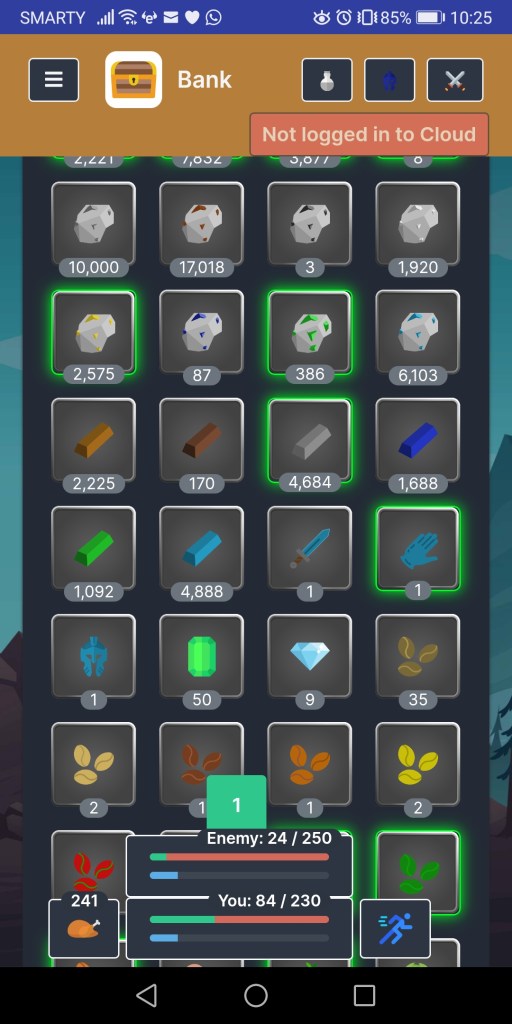
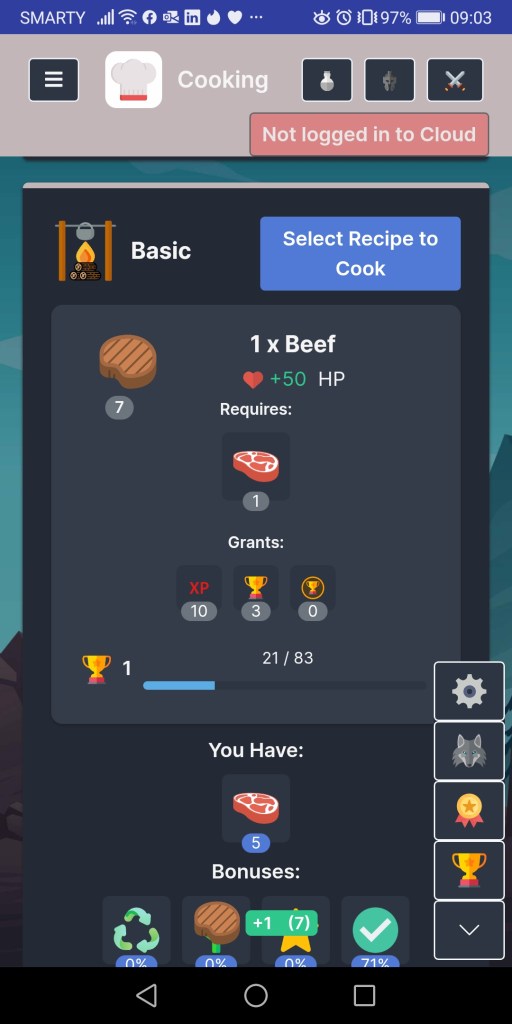
Melvor Idle developed by Games by Malcs and published by Jagex brands itself as a Runescape inspired idle game. The premise of the game is quite simple – a huge variety of interconnected skills that you can level up in various ways. The list of skills includes things like woodcutting, mining, smithing and farming with even more being available in the premium version. You can grind these while you afk or idle, as each skill level increases you can unlock more aspects of it. All the various skills are interconnected – the items you get from one may be used on another skill, which then in turn will impact or allow you to do something in yet another. From crafting items to fishing there are plenty of ways to make money in the game.

The premium version will unlock quite a few additional skills that will allow you to develop even further, explore new areas in combat as a Slayer. It adds some pretty interesting elements like summoning which can give you the ability to enhance the yields from other skills each time you complete them. The combat also has a surprising amount of depth with a variety of enemies and areas to fight in, dungeons to take on and even Slayer quests that challenge you to take on specific enemies.

Worth it?

The full version of the game will set you back around £8.99 but for that you do get quite a good amount of new skills to level up. Getting the premium version early in the game pays off as a lot of that early loot can be used to level up a lot of the other abilities. While it does feel like it is a bit on the expensive side it does provide quite a lot of additional gameplay so it can be somewhat justified. 15-20% cheaper would make it an obvious choice.

Overall the game is highly addictive, the sheer amount of skills to level up and the way they are all interconnected make for a really good idle experience. The combat also adds another layer to the game, especially for more active play. The game is well thought out, simple and really delivers in terms of depth. As far as idle games go, this one is definitely worth checking out and will keep you coming back for ages.

Tips

  • Sometimes you need to scroll down once you’ve selected an option to see more details
  • Mining is a good skill to focus on initially as it links to smithing, which is a great way to make money, armour and other useful items
  • Coal is really important in a lot of smithing recipes
  • You can get coal from firemaking or mining
  • You can get seeds for farming from woodcutting (via bird’s nests) or from fighting farmers in the farmlands
  • Check what upgrades you can use your bars (or other items) for before selling them off
  • Don’t bother with armour upgrading until you’re at least with Mithril armour or higher level
  • You can view your pets and their bonuses from the completion tab
  • If you need to improve your block/attack rating for new gear you can just grind an easy mob for an extended period of time
  • Try and get the Amulet of Looting as early as possible from the Spider Forest dungeon
  • Check out the beginners guide on the wiki: https://wiki.melvoridle.com/w/Beginners_Guide

Useful Links

The Way Home – Pixel Roguelike

The Game

The Way Home by CONCODE is a rogue-like dungeon explorer game with some interesting crafting and progression mechanics. You play as a cat named Cheese fighting your way through procedurally generated dungeons as you attempt to figure out how you and your human ended up on a mysterious island. Each time you take on a dungeon you can choose the skills you get when you level up from a choice of stat improvements, passive abilities or modifiers for your bow shots.

At the end of each floor of the dungeon you will have the option to walk away with all resources you have gathered so far or to carry on (risking the loss of 2/3 of your gathered materials). Once you return to your home island you can invest the materials gathered into work stations, permanent buffs or new spells and passive abilities to chose from on your dungeon runs. As you progress you also find out more about the backstory to how you ended up on this island and why it is so cursed.

Worth it?

The game is really fun and aesthetically pleasing, there’s a good sense of progression and it provides a good challenge too. The story and writing are interesting and engaging, there’s a variety of enemies and their attack patterns and a good variety of upgrades and skills to try out. Where this game is let down a little bit is in it’s pricing for the full game.

After beating the first boss you are prompted to pay £5.99 to access the remaining 3 islands of the game OR watch around 15-20 ads per platform (you need to get to the adjacent island) and then watch an ad after every dungeon run. While this model is quite interesting and does allow you to essentially play the game for free, quite a few players feel a bit tricked by the free trial aspect of the first island (no ads). The full game price is possibly slightly on the expensive side – 15-20% less would make it a much easier decision to purchase.

Tips

  • Research the work stations first (Resource/Etc page)
  • Focus on getting the better pick to get better materials (Anvil)
  • Skills that modify your arrows (like Ricochet) are particularly useful for attacking large groups of mobs
  • For the boss focus on building up your damage and health, ideally have a potion as well

Useful Links

Reigns

The Game

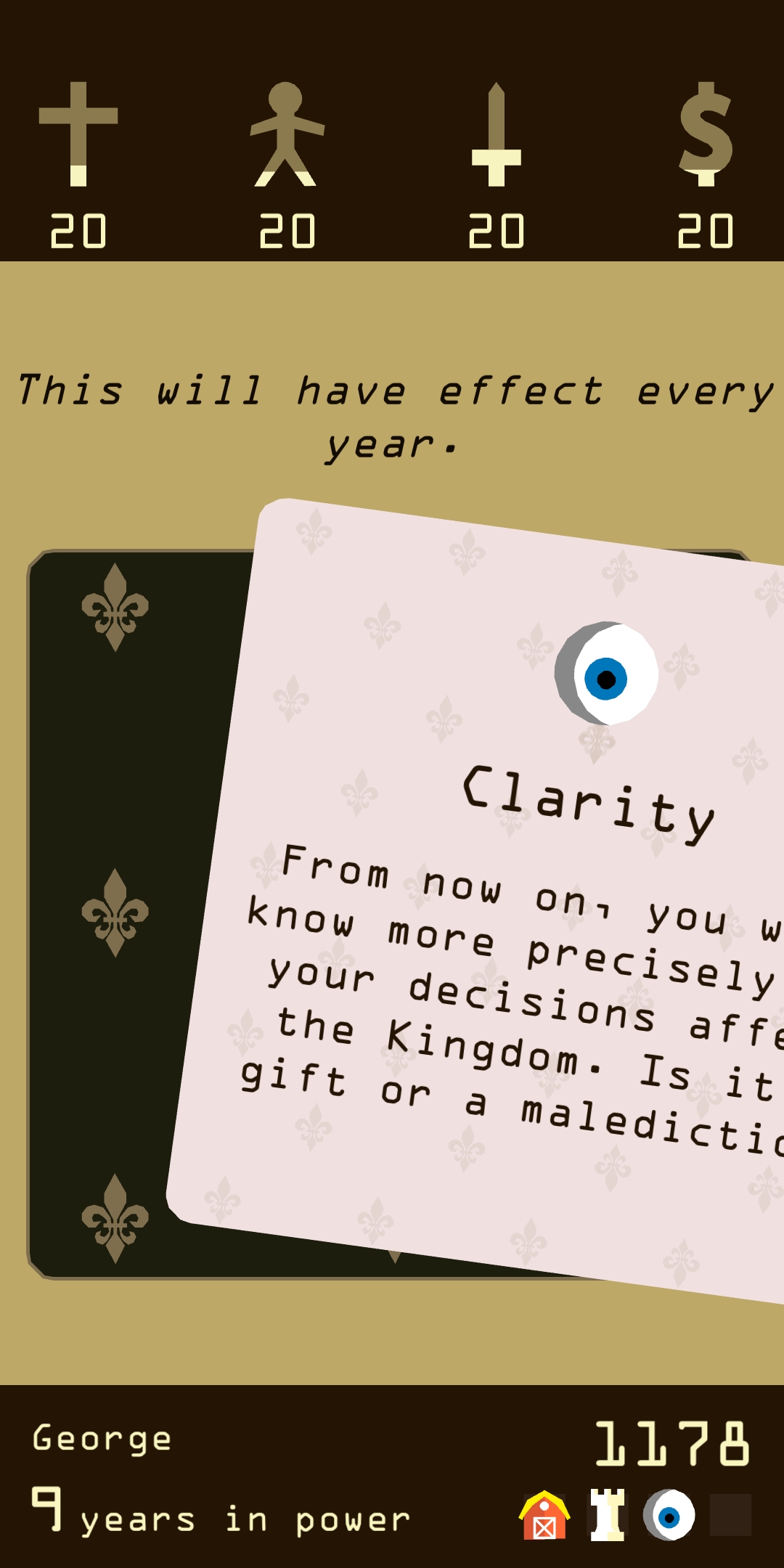
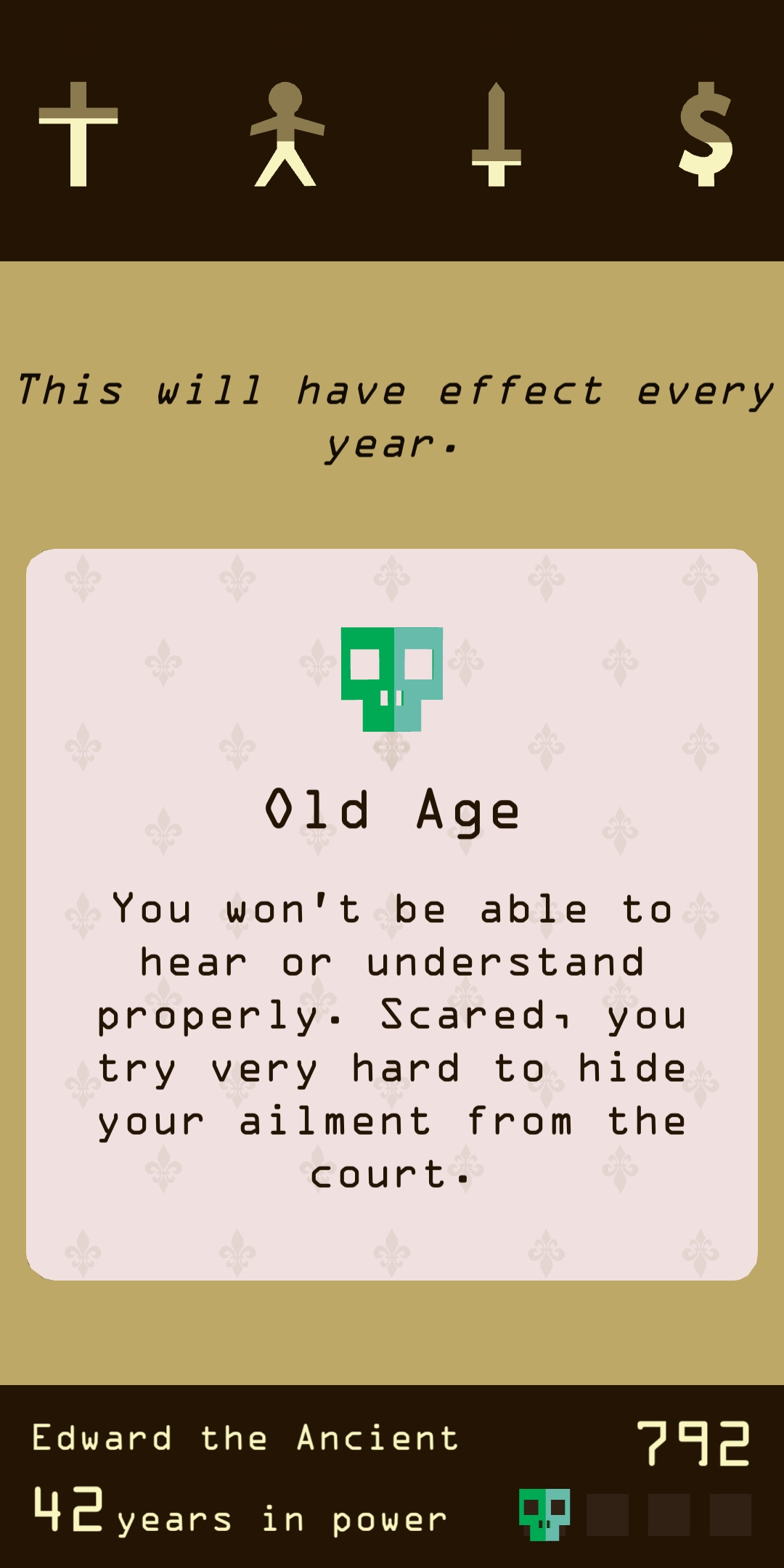
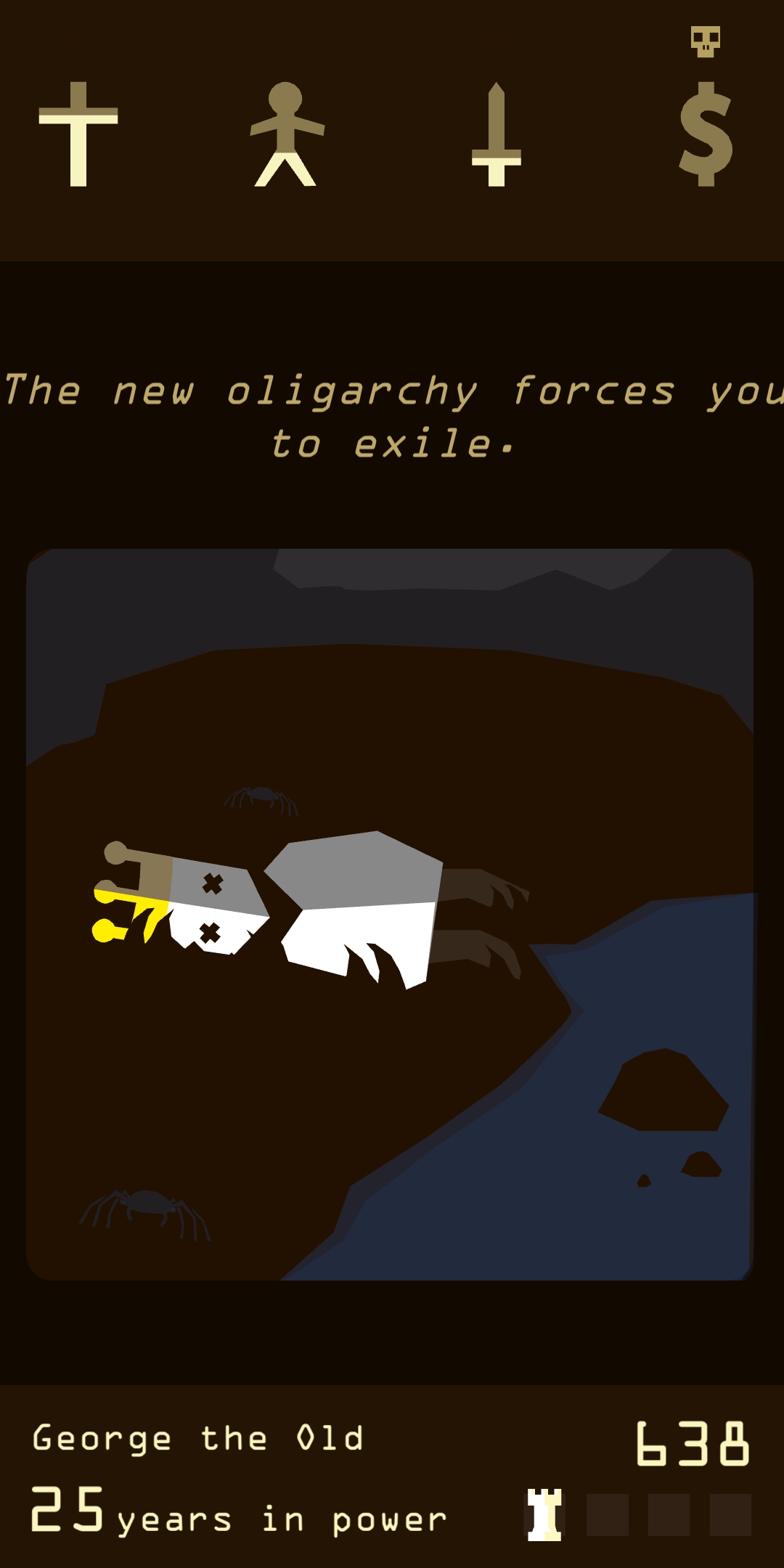
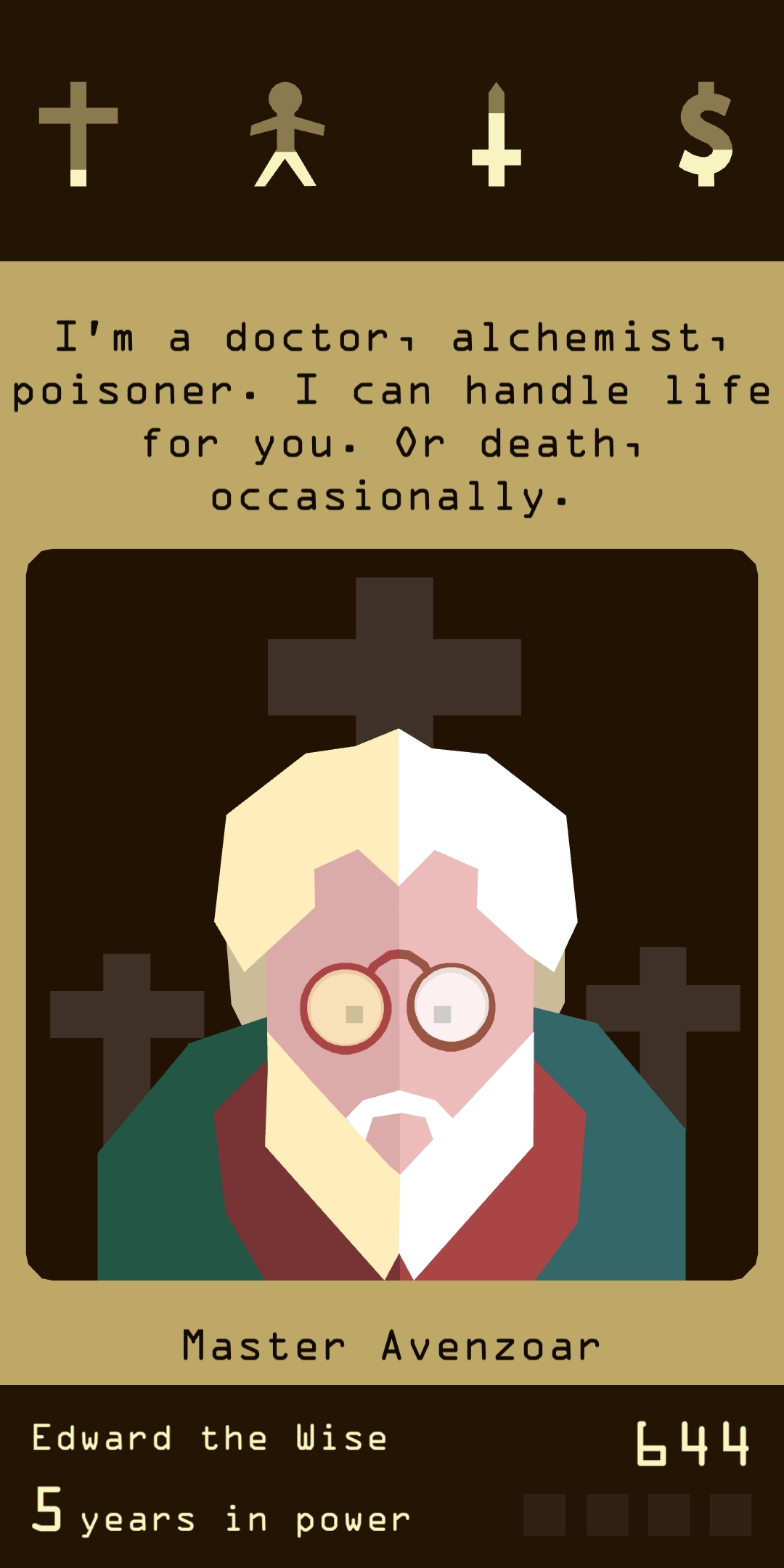
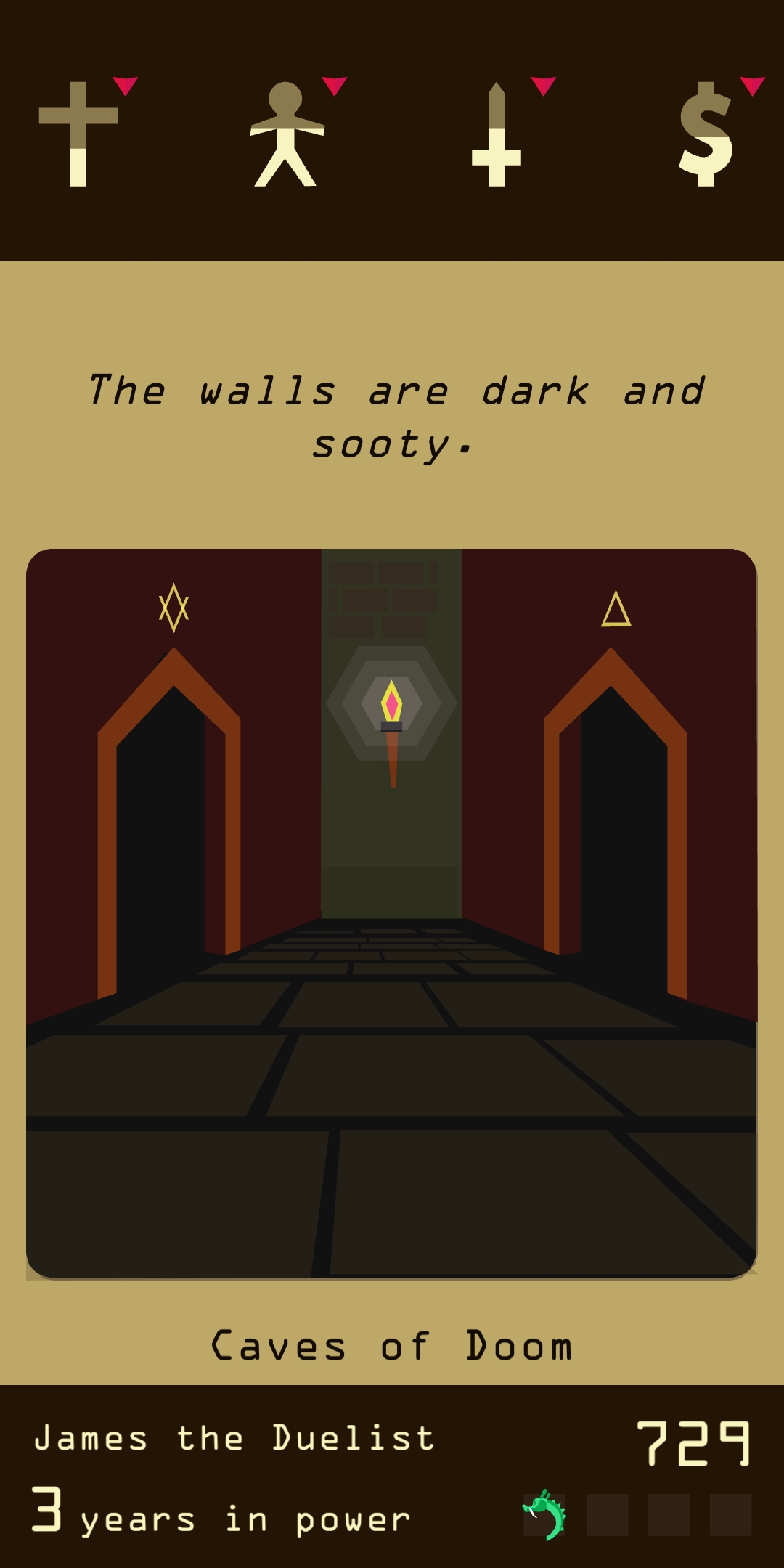
Reigns is the first game in the Reigns series, first released in 2016 – developed by Nerial and published by Devolver Digital. The concept of the game is brilliantly simple and effective. You are a king (if you would like to be a queen, you can always try Reigns: Her Majesty) at the head of an unruly kingdom faced with many decisions. Each decision is basically a Yes/No decision made by swiping left or right, reminiscent of everybody’s favourite dating apps (Tinder, Bumble, etc). Every decision will affect the 4 key factions that you need to keep in check – the church, the people, the army and the treasury. Deplete any one of those and you will be killed; allow any one of them to max out and you will be killed – dying will end your current reign and you will start as a new ruler. There are some really interesting characters, decisions and surprises that will keep you on your toes at all times.

Worth it?

Reigns is a wonderfully simple and yet surprisingly deep game. Some story lines and characters immerge after several lives or even the devil himself. The game will set you back around £1.99 (or $2.99), which is quite worth it, even more so if it is on sale. My single biggest issue with the game is the rotation on mobile – it doesn’t listen for the phone’s rotation (even if locked) and will auto-rotate, making it quite annoying when you’d like to keep the game in portrait, like if you are lying down. Other than that it’s really hard to fault the game. Occasionally if you close the game mid-reign it may not save your progress.

Overall it’s a nice looking game, with simple yet entertaining mechanics, a surprising amount of depth, loads of achievements and objectives to unlock. It’s cheap and has loads of replay value; perfect for either short time-killing sessions or lengthier runs.

Tips

  • The little dots above each of the factions indicate how big an effect that decision will have, however you don’t know if it will be a positive or negative effect
  • Decisions that continuously affect your standing with a faction will increment it constantly, meaning you can wait for it for a minute or two to fill/deplete before making a decision
  • Build the barn – this will come in handy if the people decide to turn on you, giving you an extra shot
  • Understand what adds to a faction’s standing and what detracts – over time you will get better at keeping them all in check
  • For tips on a long reign, check out the wiki: https://reigns.fandom.com/wiki/Strategy

Useful Links

Island War

The Game

Island War by Fastone Games HK is a mobile first take on the familiar mechanics popularised by games like Bad North. The game is built around collecting an army of various units, upgrading repeat versions and using that army to destroy other player’s bases. That’s essentially the core game play loop and it’s available in several different leagues and challenge modes, all designed to put your army to the test. You will also have to set up a base to defend your own island.

The game rewards you frequently in terms of giving you new units and coins. Premium currency is also fairly easy to obtain, although spending it doesn’t always guarantee a great reward. There are some gatcha elements like a battle pass for extra rewards, but the game is still ok without them.

Worth it?

If you’d like to play something similar to Bad North, but can’t afford to buy it, then Island War is a good option to check out. There’s plenty of cards to collect and upgrade. It also looks like the game is still being worked on with new updates and features ahead. The core gameplay loop does get a bit repetitive but the frequent awards, level ups and challenges keeps it quite varied. The gatcha elements are plenty, but generally you can get on quite nicely without having to use any of them. There are few ads and the challenge modes can be quite tough to crack.

Overall I’d say it’s worth a play, it will keep you busy from a few minutes to an hour a day, limited only by how many levels you unlock – if you exceed the level limit, once the new level limits are unlocked you will receive any backdated rewards. There are some lag issues with big armies on bigger islands, but other than that it’s a solid and simple take on a good game mechanic.

Tips

  • When attacking other player’s islands try and put your rafts down in such a way so as to hit the three core buildings fastest (Army Camp, Gold Mine, City Hall)
  • Use paratroopers to your advantage once you’ve lured away defending armies
  • Combine troops to upgrade as soon as you can – you can also look into specialising each raft for a specific purpose
  • Upgrade your City Hall and Army Camp asap to allow you more rafts and higher army upgrades

Useful Links

The Bonfire 2: Uncharted Shores

The Game

The Bonfire 2: Uncharted Islands by Xigma Games is a sequel to the quite compelling The Bonfire: Forsaken Lands. If you’ve played the original you will be familiar with the general concept of managing your settlers and expanding your settlement around the ever-burning bonfire. The first game showed a lot of potential and could get quite challenging, it was also presented as a 2D “side-scrolling” game. In this epic sequel the game developer has moved from a 2D world into a full 3D one for something of a paper-cut out aesthetic.

The game will challenge you to grow and expand your settlement while ensuring you manage your resources and workers in such a way so as to maintain optimal food and resource supplies. Where The Bonfire games differentiate from some other city builders is the nightly attacks. Every evening various beasts – ranging from wolves to spiders and other quite scary monsters will swarm your village and attack your settlers. You will need to ensure you’ve always got enough guards on patrol and that they are all well equipped. The sequel adds even more depth to what was already a quite deep mobile game. There are a good variety of buildings and production chains which will challenge you to expand your settlement even further than before. You also keep unlocking more buildings with practically every building you construct.

Be weary though – some of your settlers may decide to steal from you or leave you! All settlers have unique characteristics and special skills. The skills combined with suitable tools will allow you to specialise your people for the role they were born to do, be it farmer or guard. The settlers will share their thoughts with you regularly and won’t hesitate to let you know when they are unhappy – something you really want to avoid.

Worth it?

A free version of the game is available, but you are only limited to 10 nights. Personally I didn’t really like this method of getting me to buy the full version for £4.49 on mobile and £9.29 on PC. I would have preferred limiting the number or types of buildings that can be created in the free version, because 10 days are up quite quick and you are essentially forced into the full version.

Free version aside, the paid version is – generally-speaking – worth buying. There are some slight issues, like some performance issues with bigger settlements, not being able to remove trees, some minor visual bugs and it can be quite battery intensive. As a mobile game this is definitely a great choice as there are no gatcha elements and you will find yourself thinking – just one more night for quite a while until you realise you’ve spent the last 3 hours on the game. The expeditions allow you to discover new islands and continue scaling up your resource production. I am unsure if I can justify the full price for PC, although I would also expect less performance issues. The game is also still being worked on and developed further so there will hopefully be future updates with even more amazing things to do with your settlement.

Overall definitely worth checking out, you can always play the demo/free version and if you decide it’s something you like, you will have to purchase the full version to play any further.

Tips

  • You can’t remove or move trees/rocks – plan accordingly
  • Make sure you can equip your workers with carts and appropriate tools (especially builders) – this will greatly speed up their work
  • Match settlers to their jobs based on their special skills
  • Always ensure you have more guards than you think you need – sometimes waves of monsters may attack from different sides
  • Build homes to house your settlers – they are less vulnerable to attacking beasts than if they sleep by the bonfire
  • You need a trading dock to be able to send your ships on expeditions

Useful Links