The Crew 2

The Game

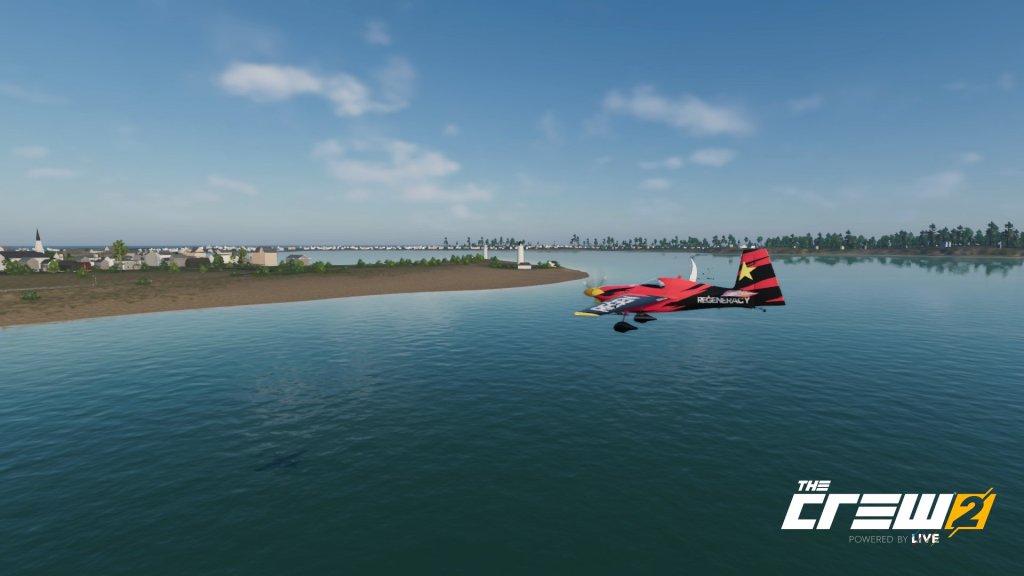
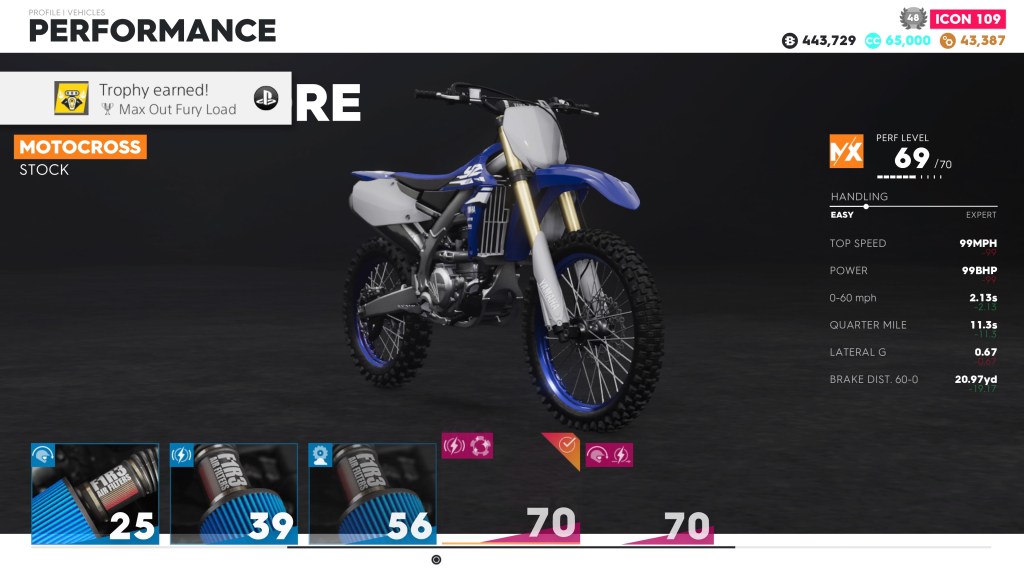
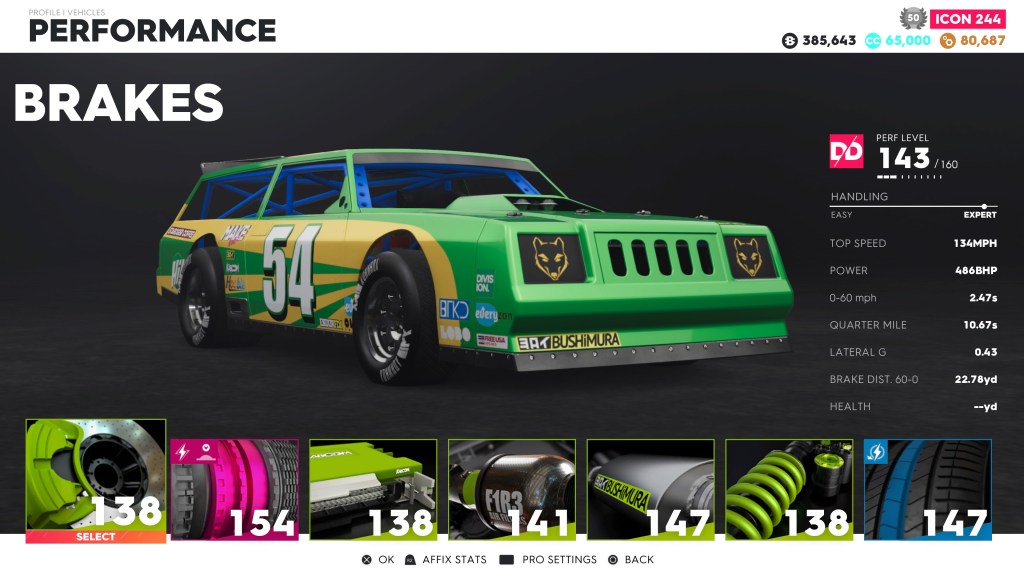
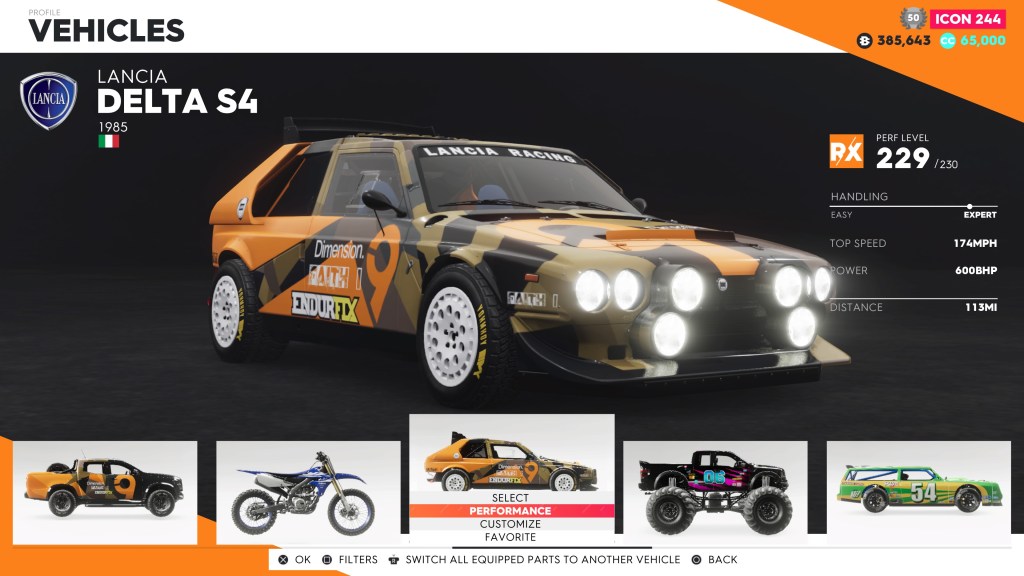
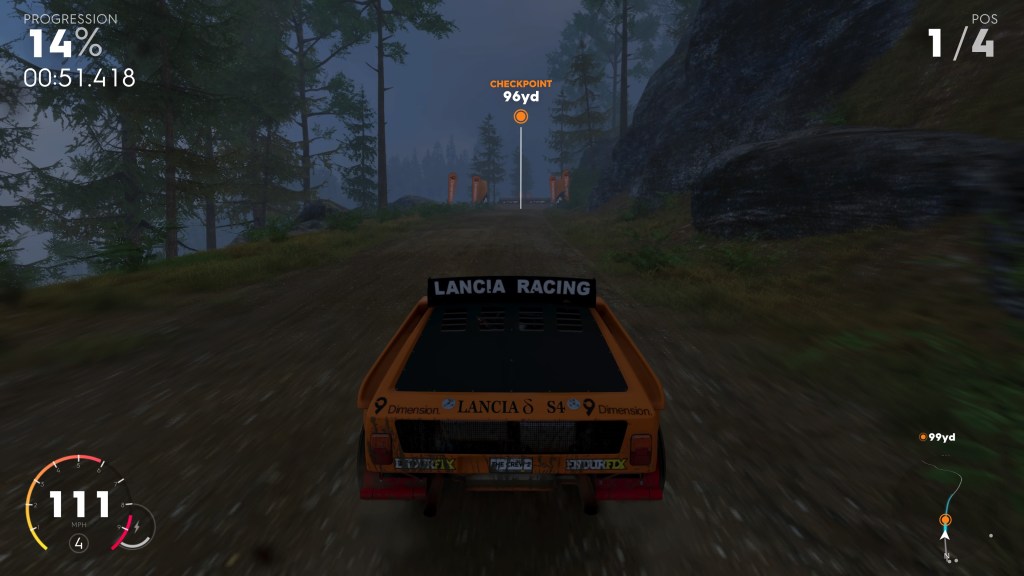
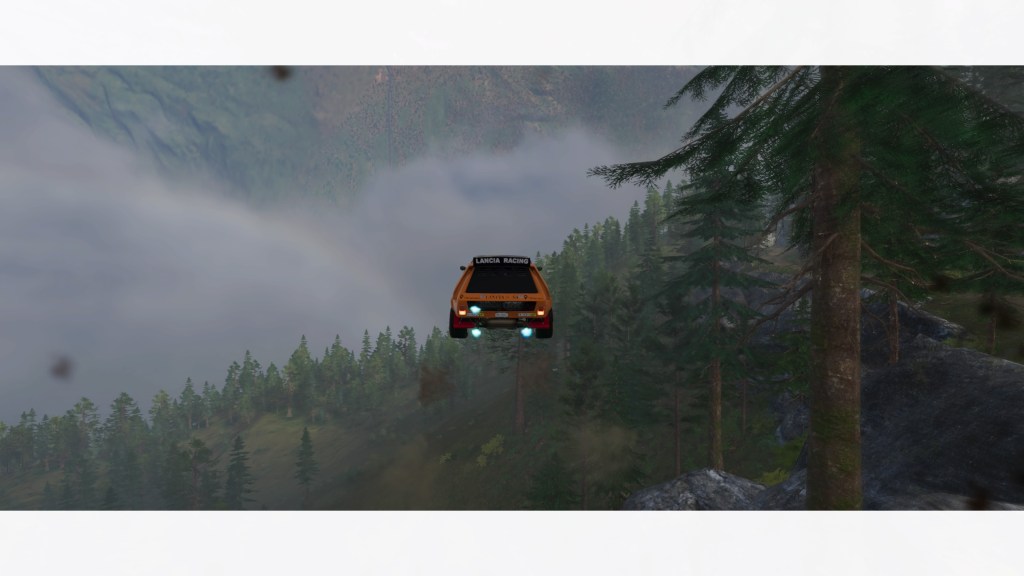
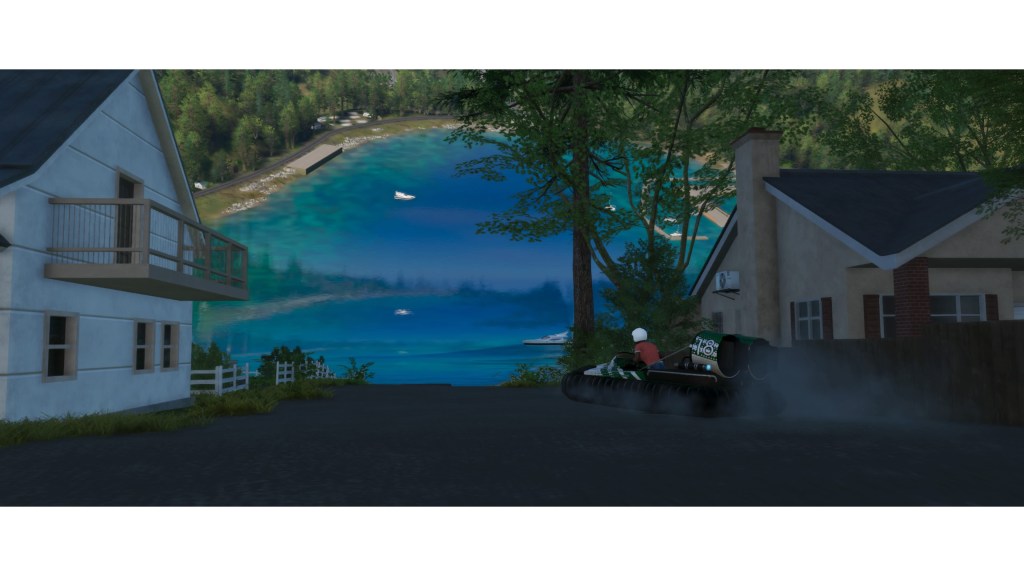
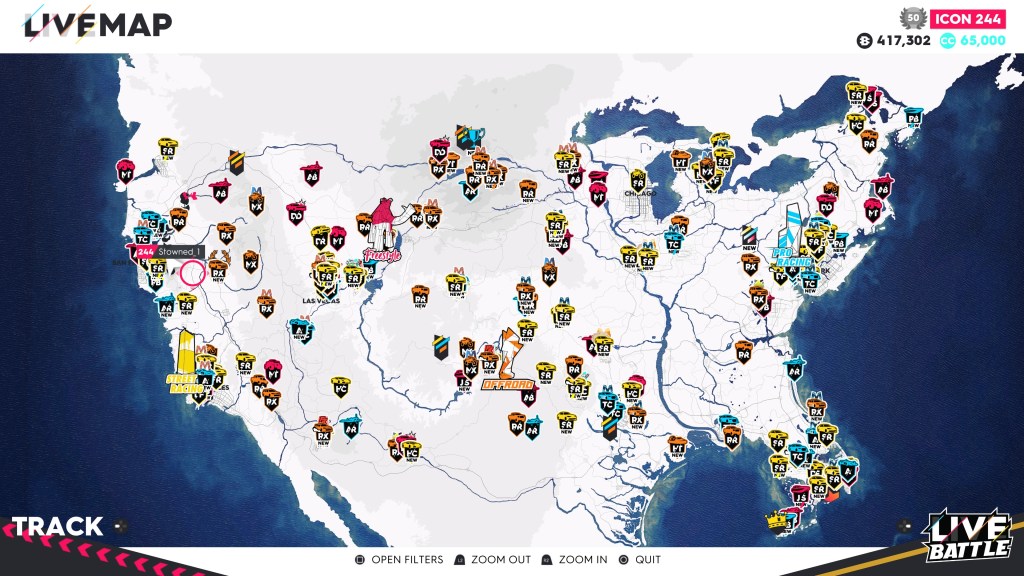
The Crew 2 is an open world racing game developed by Ivory Tower and published by Ubisoft. The game features 16 different types of races ranging from airplanes to dirt bikes to hovercraft and power boats. It takes place in a scaled down version of the United States and allows you to race in big cities or through the countryside and some of America’s most famous landmarks. There are hundreds of races to chose from, each with 3 difficulty settings as well. Completing races will award you with followers (essentially XP for levelling up) and new parts for your vehicle, allowing any vehicle to be upgraded and compete with other higher tier vehicles. You don’t need to be familiar with the first game in order to get stuck into this one. There is some loose story, which is basically irrelevant, although admittedly it has some pretty epic cinematic moments at times.

There are 4 main types of races – Street, Off-road, Freestyle and Pro Racing. Each of those has 4 sub-categories depending on the type of vehicle:

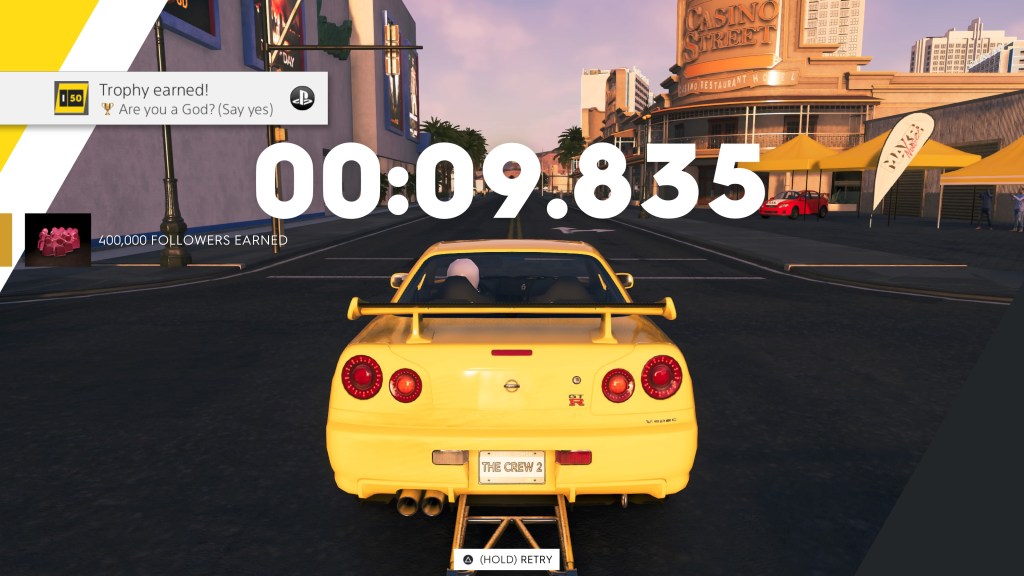
  • Street – street, drifting, drag, hypercars
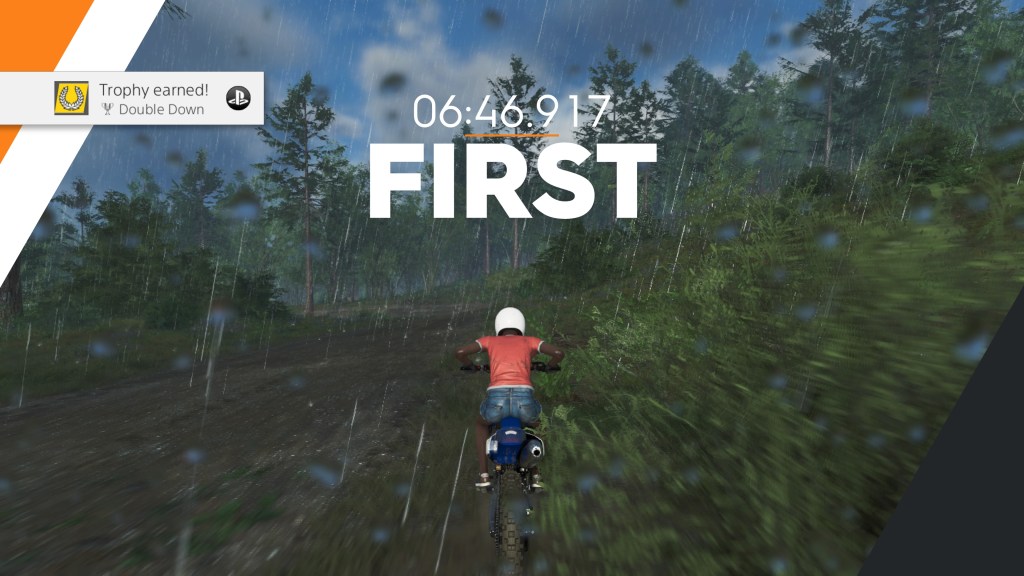
  • Off-road – rally raid, motocross, rallycross, hovercraft
  • Freestyle – aerobatics, demolition derby, jet sprint, monster truck
  • Pro Racing – powerboat, air races, touring car, alpha grand prix

There are also Live Xtreme events – probably one of the games more unique and exciting features, in which you race in several disciplines with an almost seamless transition between vehicles. Once you have completed 50% of each race family’s races you can take on the boss for a chance to earn an ultimate vehicle. There are also hundreds of skill challenges and various other types of races available, including weekly events in which you compete for the highest score on a series of events against other players from around the world.

Worth it?

Overall the game is every completionist’s dream. With hundreds of races, challenges and vehicles to collect – it will keep you busy for a very long time. One criticism was that certain types of race had a lot less events compared to others – street races seem to vastly outnumber all other types of race and it would be nice to see a few more events for some of the more niche vehicles like monster trucks, motorbikes or hovercraft. While the open world is truly gigantic and there are quite a few events and challenges around it, it can feel a little too big and a bit empty at times. The always online mode of the game also means you can’t pause and walk away from a race because you will get kickedd from the server.

The weekly events give players a reason to keep returning to the game, giving it decent longevity (aside from a completionist approach to the game). There are also seasonal events with a new one being announced just a few days ago – adding new races and challenges to take on. The follower and rank system is a nice touch, allowing you to upgrade earnings or vehicle performance as you increase your rank. The full price game is not worth it by any means (over £40), however you can often find it on sale for as little as £6.99 for the base game, if you are on PS Plus Extra it is available for free. The game will keep you busy for a considerable time, especially if you’re a fan of racing games or a completionst.

Tips

  • Hold L1 & R1 (or equivalent) to reset your vehicle onto the road.
  • You receive car parts after each race so don’t rush to teleport away until you’ve received them.
  • You can spend skill points every time you increase your rank – invest in skills that gain you more bucks as much as possible.
  • Don’t spend money on vehicles in the early game and once you have amassed some wealth make sure you buy the vehicles you need for new race types first – aiming to have one of each vehicle as soon as possible.
  • The New York hypercar race pays the best, however also takes really long, the other money grinding option is the Uber Dam powerboat race, which is very quick to complete.
  • Remember to pull back on your joystick (tilt back) when using a boat to go at higher speeds, let go of this for more control and better steering.
  • Use nitro to recover from mistakes or in stretches when you can use a lot of it in one go.
  • You can get an overview of all completed and uncompleted races from the activity menu, which is easier to navigate than the map.
  • You can customise your racer’s outfit at Home.
  • When loot gets sent to your HQ mailbox you need to go to one of the 4 race types HQs (where you buy vehicles) and look for the mailbox section where your unclaimed loot is stored.
  • Once you’ve acquired good car parts you can start to scrap green and blue parts to generate spare parts, which can be used to tune top tier (yellow) car parts.

Useful Links

Isle of Arrows

The Game

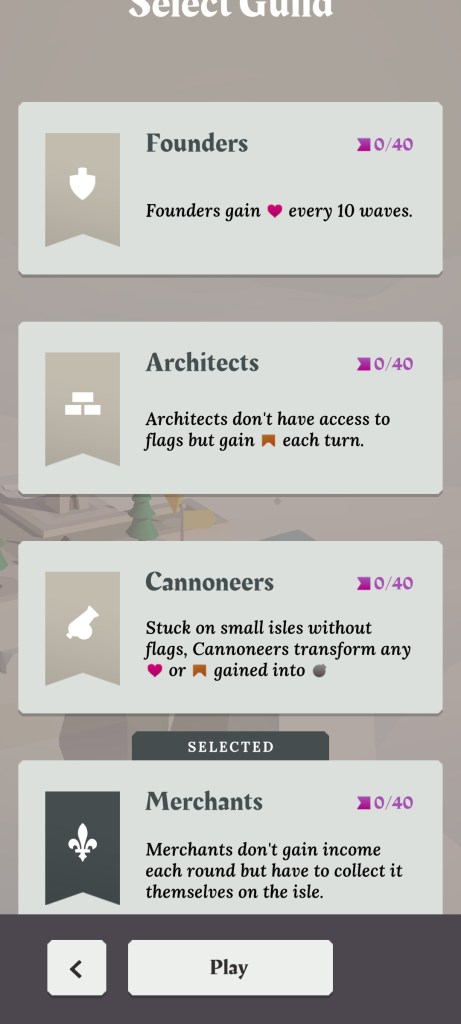
Isle of Arrows developed by Gridpop is a card based tower defence game made by a single developer. The game presents a fairly simple concept of randomised cards that allow you to place new paths or towers onto your island (also randomised each game) and defend against the incoming waves of enemies. There are 5 different classes that can be played, each with different abilities or lack thereof. Aesthetically it’s a pleasing simple low poly and pastel colour palette.

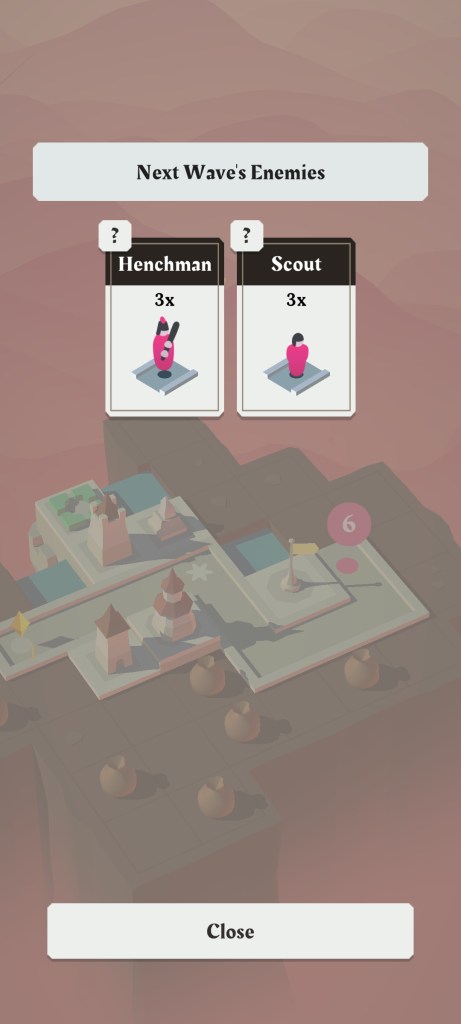
Between each wave you are presented with a new free card to place and can purchase more additional cards for an extra 2 gold. Some cards will have water tiles attached which require some forethought and strategy when being placed as removing them isn’t always easy. There are also random events and relics that can help or hinder you as you progress through the game. As you build up your reserve of cash, every 10 gold, you will earn an extra 1 gold per wave (ie if you have 10 gold, you will get +2 each wave, if you have 30+ gold you will get +4 each wave). There are 3 main game modes to play: Campaign which features 4 main areas, Gauntlet which presents increasing difficulty and challenges and a daily defence challenge.

Worth it?

Isle of Arrows is both an an aesthetically pleasing and beautifully simple game with a good amount of depth and some potential for further development and features. The PC version will set you back around £10, whereas the mobile version is around £5. The game has a few core levels and the gauntlet and daily challenge give some additional gameplay options after you’ve completed those – it would be nice to see even more cards and areas added in the future. Some more customisable game modes would also be interesting, for example custom card/event/relic selection or increased random event frequency. There is a slight issue when trying place paths that may end in a solid block (or blowing them up with bombs).

Overall the game is nicely balanced, providing a good challenge while also remaining fun and interesting. There’s a good deal of gameplay to get stuck into, the game can be played offline and in portrait – making it a perfect mobile game and definitely worth

Tips

  • Try not too spend too much money until you reach around 30 gold, then you can spend each turn provided you don’t dip under 30 gold, so you can ensure you’re getting +4 gold per turn.
  • Think about where you’re placing towers and paths and how they’ll be affected in by future cards.
  • When you get a 2nd or 3rd spawn point added, you can get away for 1-2 waves before you need to add more towers or paths to them – just ensure you don’t overinvest in them, but also be weary of leaving them unprotected – in an ideal scenario you want them to come close to your existing towers and paths.
  • Try and place traps on corners where they can hit at least 2 paths, likewise try and maximise the number of paths that each tower hits.
  • High ground can be very useful with most towers to increase their hit areas.
  • Not all cards are worth placing – gardens or cards with water tiles can make the late game quite difficult if you don’t have enough bombs to remove them.

Useful Links

Planet Coaster – Console Edition

The Game

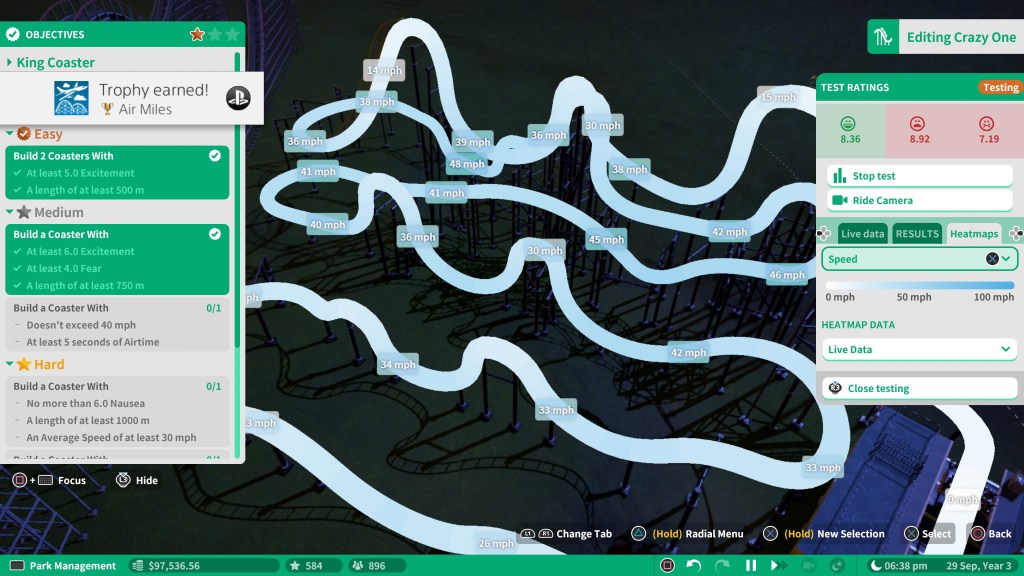
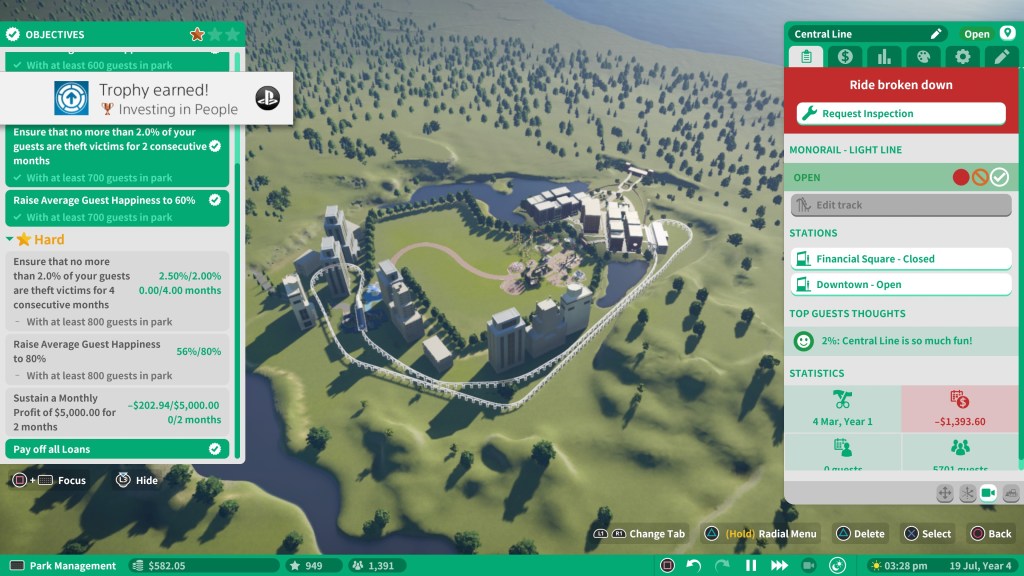
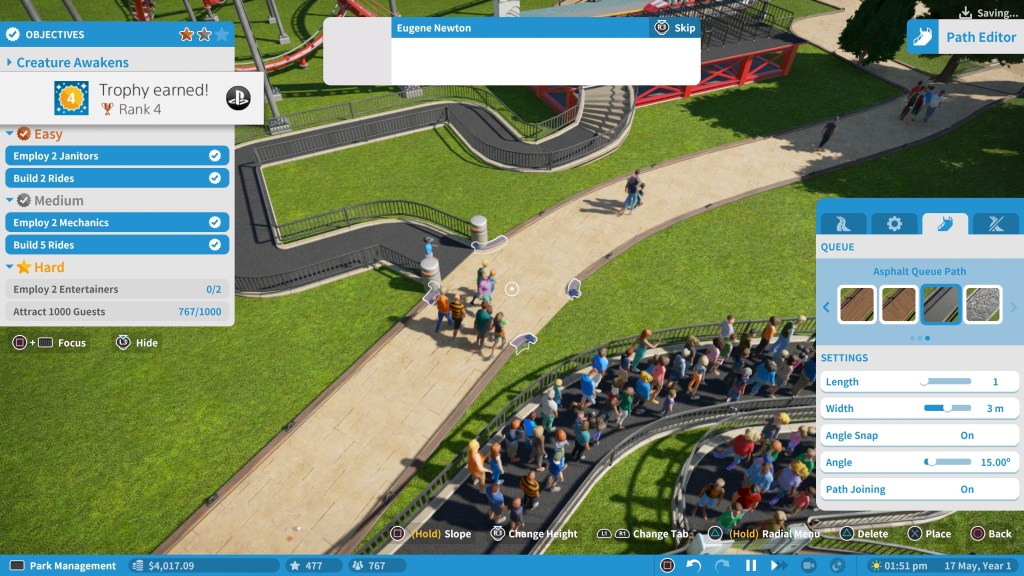
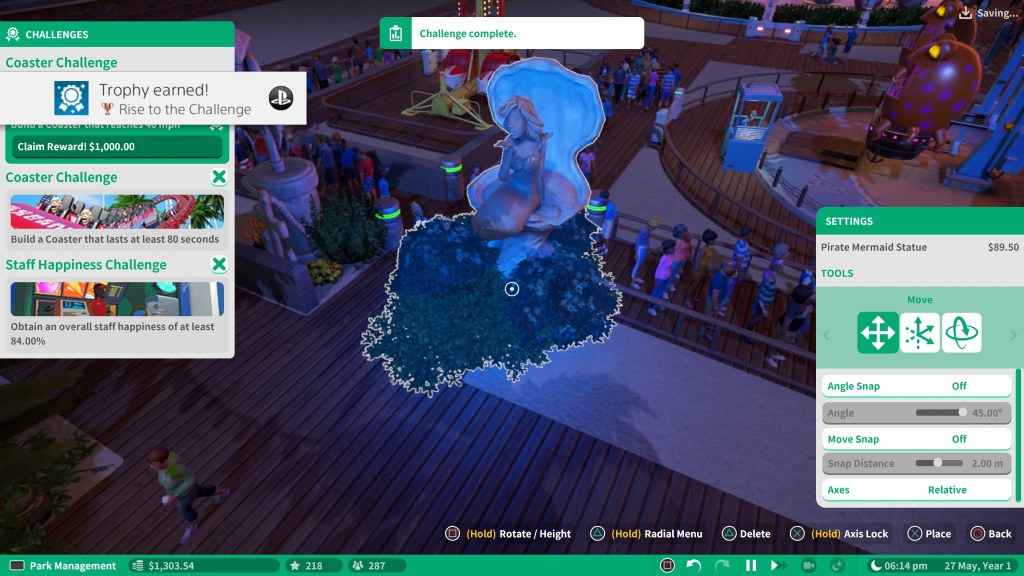
Planet Coaster developed by Frontier Developments was released in 2016 and saw a lot of success since then as a spiritual successor to RollerCoaster Tycoon. The game did so well it was followed up with Planet Zoo in 2019. As should be obvious from the title, the game is all about managing a theme park and building some truly amazing rollercoasters. The game’s campaign mode has 12 scenarios with 3 objectives in each. Generally this takes around 10-15 hours to complete, after which you can look at challenge mode maps where you have to manage your own park by starting out with a limited amount of cash and building up from there. Alternatively if you just want to mess around or build without the limitations of cash you can always try the sandbox mode.

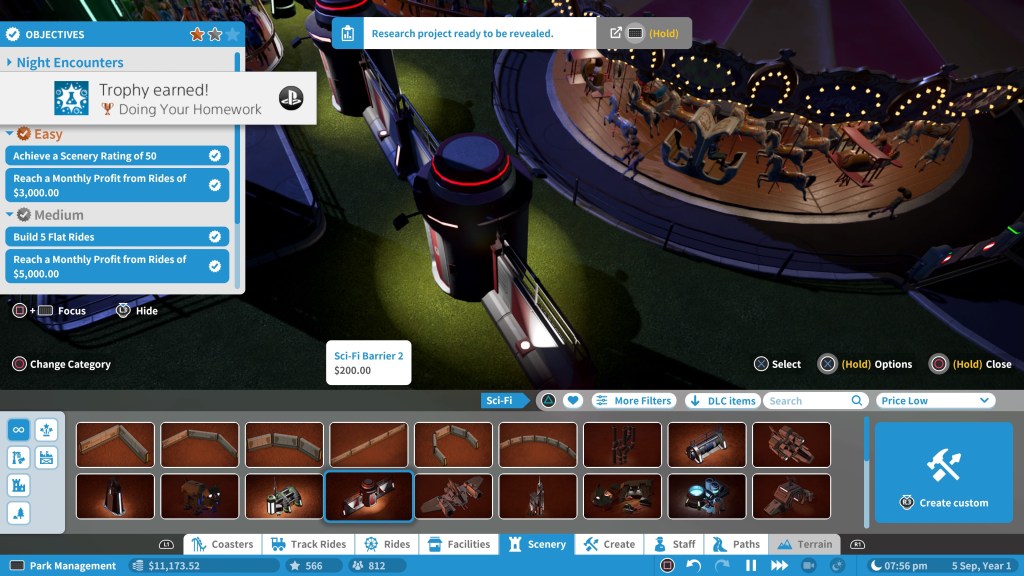
The game offers a huge variety of of coasters and theming options. From classic wooden and children coasters all the way to high speed steel winged coasters with inversions and loops. The themes also include classics like pirate, adventure, spooky, sci-fi and festive. The theme editor allow for the creation of highly detailed and unique scenery, there is also a Frontier workshop showcasing some of the finest creations by other players that you can add to your own collection and use in your own parks. The workshop also features various parks and rollercoaster designs uploaded by others, however you may find that quite a few of these aren’t compatible with console due to the more limited performance.

Worth it?

Considering the game came out in 2016 it has held up very well and as the console version was a little more recent it will still set you back around £17-20 if you get it on sale. As for the PC version you can find CD Keys for around £5-10 which is definitely worth doing. The game is an amazing playground in which to let your creative juices flow. The editor allows for some truly awe-inspiring builds and the only limit is one’s patience and imagination. Naturally the PC version will always be superior due to access to the steam workshop – this is issue is slightly alleviated for consoles by the presence of the Frontier workshop, although even then certain maps or builds won’t work on your console. Controls have been fairly well adapted for console, although when creating more detailed props/scenes it can be a bit tricky at times. The new approach to theming and the way props and decorations are created really do make this game stand out and cement is place in a long line of theme park simulation games.

Tips

  • Some props are grid based others can be freely placed – you can tell these apart by the grid in the background of the image.
  • If a ride’s queue scenery is at 100% you can charge the maximum for tickets (this will still depend on the ride’s prestige).
  • Sending staff on training courses will boost their happiness, but will also mean you need to probably raise their salary.
  • You can smooth a ride out by selecting a part and then selecting adjacent ones by holding X (PS) – you can then select the smooth option from the quick action menu.
  • Free camera allows you to zoom in and look at things even closer.
  • Make sure your staff rooms are within a reasonable distance for staff.
  • Use work rosters to manage where and how your staff work – especially useful for janitors.
  • After around 10 year of operating a ride will become a “Classic” meaning it will be at its highest prestige level – allowing you to charge the most you can for it.
  • A good rollercoaster with high values and good prestige can charge around $20-25. Whereas flat rides will vary from around $7-15 depending on the ride.

Useful Links