Empire of Sin

The Game

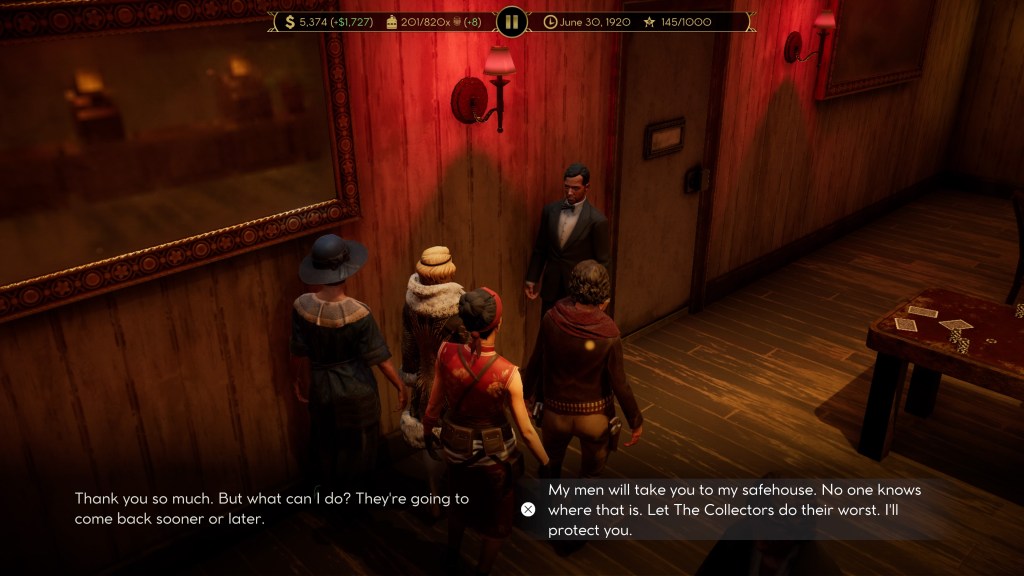
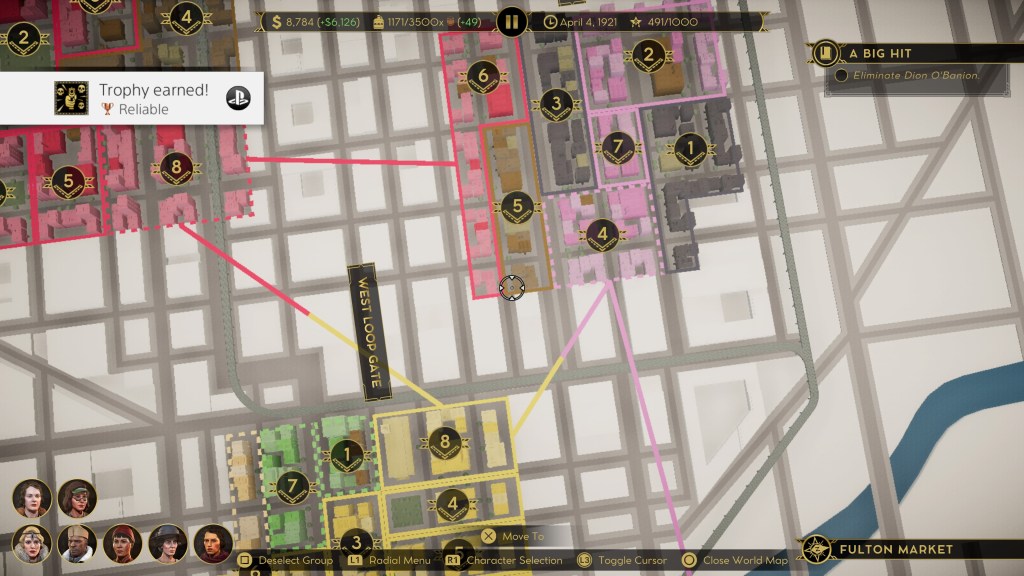
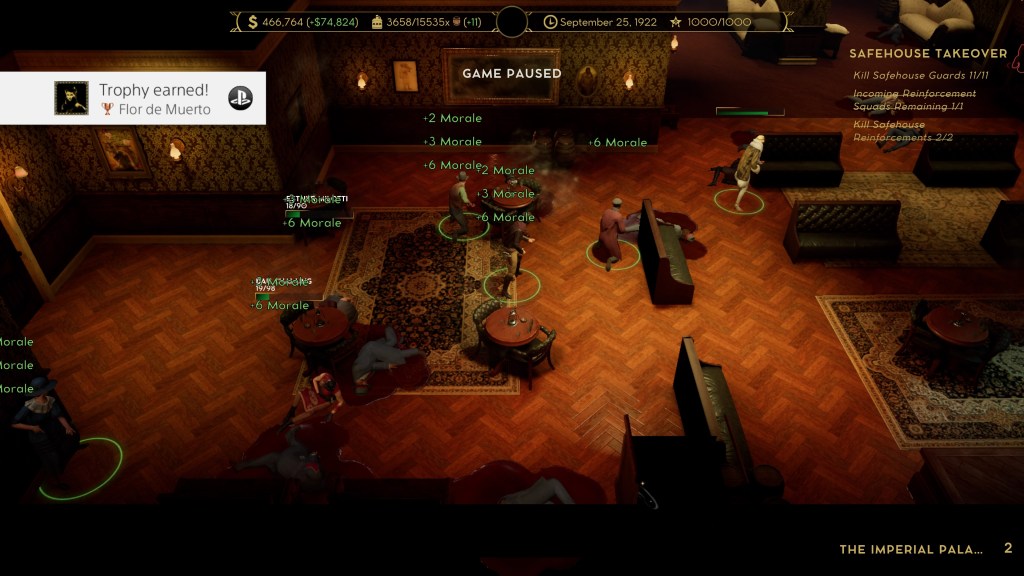
Empire of Sin, published by Paradox Gaming is a strategy simulation game with turn based combat. You play as a 1920s gangster during the period of prohibition, competing with other gangsters for control over Chicago and running your various rackets. Rackets range from speakeasies to casinos and brothels and a few extra special buildings. The key resource that you need to ensure you have a steady production rate of is alcohol. You upgrade your breweries and the quality of alcohol to ensure a steady flow and good profits. As the game progresses and you get into the politics of it you can begin to make trade agreements, pacts or go to war with other mob bosses. You hire a team of various gangsters and when you engage in combat it plays out like a turn based XCOM-style battle.

The game allows you to build a badass crew of gangsters from a big roster of unique characters from a variety of classes and in a variety of tiers (differing in price and abilities). Each of the gangsters will have relations to others or can even develop them while you’re in a crew – for example they may fall in love with each other or if you kill one of their friends in a different crew they may refuse to work for you for a while. As you progress in the game your gangsters will unlock new skills, you will find new weapons to equip them with and their loyalty to you will improve.

Ultimately your aim is to take over Chicago by either killing all other major factions or finding ways to buy them out and establish control over all neighbourhoods.

Worth it?

Overall the game will set you back around £15 (or around £5 on sale) and while the theme and characters are quite cool, the game falls a bit short in terms of delivering on player experience. The combat gets repetitive extremely quickly, there’s little variety in the environments you fight in. The game makes you grind other mobster’s rackets and districts, slowly building up your empire but after a certain while you are just spamming upgrades on your rackets and fighting the same fight in the streets and enemy rackets. There are also various known bugs in the game which tarnish the experience even more.

Winning the game feels like an incredibly long grind, it would be nice to see more variety in environments and a bit more diversity in enemies and scenarios. The characters, their dynamics and their personalities are an interesting element of the game and could be built upon. There is DLC which adds an extra racket and new playable gangsters and weapons, but for £10+ it’s a considerable additional cost. Overall the concept, characters, art and theme are good but the repetitive gameplay and a buggy experience, I wouldn’t pay more than £5 and the game offers little replay value (it is free on PS Plus Extra at least).

Tips

  • Use taxis to travel around the map
  • Don’t rush into hiring too many gangsters, but at the same time their cost remains at the level it is when you first hire them (or goes down) so hiring higher tier gangsters early is better
  • Don’t overextend – secure and upgrade neighbourhoods before adding more
  • Focus on thug-run neighbourhoods – they are easy to take over and won’t affect standings with other mobsters
  • If you kill a gang-leader their districts will all become thug owned, initially with 0 rackets – if you take over the thug depos you will get the district clean with all rackets immediately purchasable
  • Remember to check the black market trader every so often
  • Make sure your gangsters have health items equipped
  • When on the streets try to ambush enemy guards to get an advantage
  • Focus on your character’s bonuses and types of rackets that they scale from
  • Try not to anger the police – don’t kill officers and don’t be afraid to bribe them

Useful Links

Graveyard Keeper

The Game

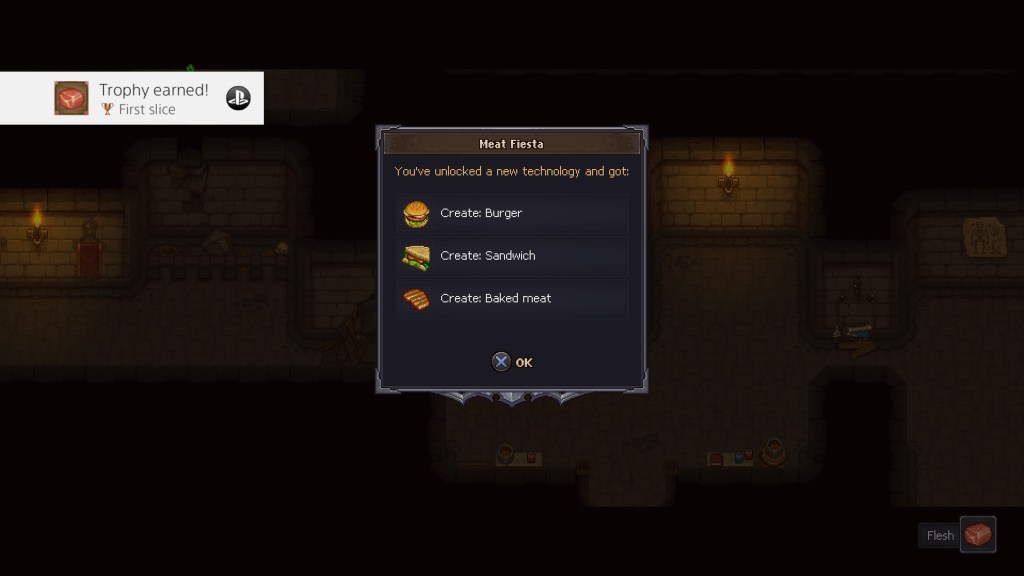
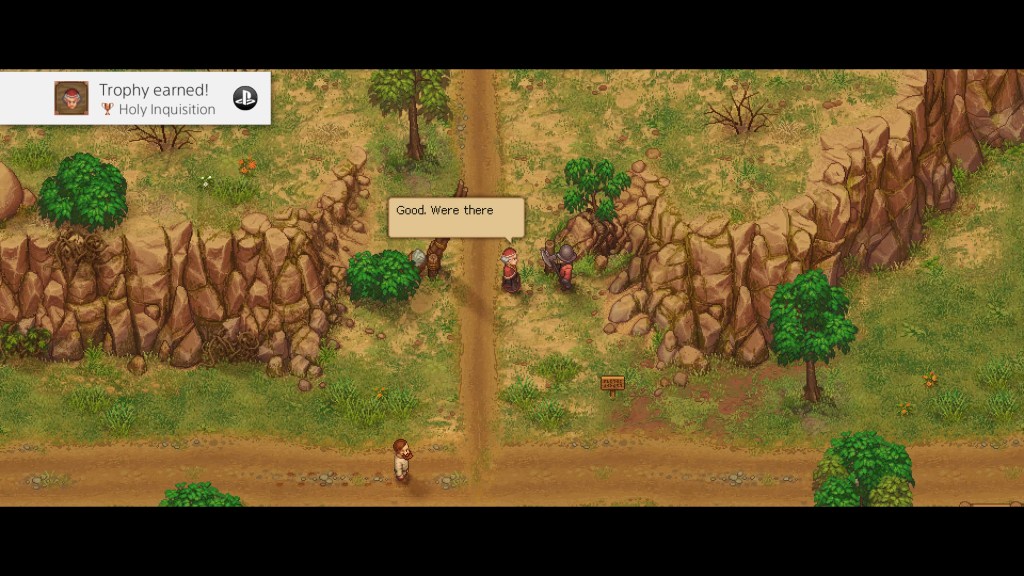
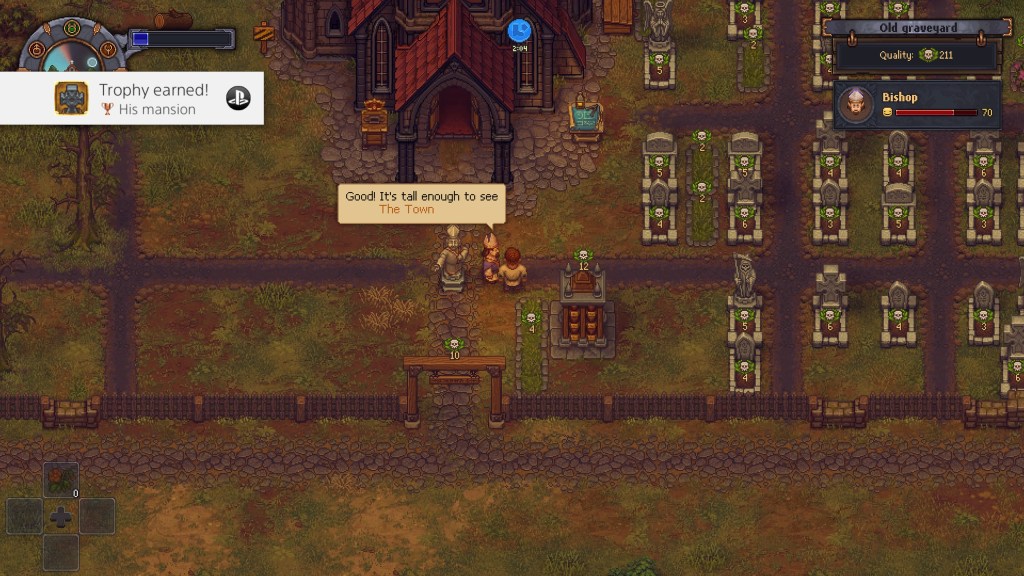
Graveyard Keeper developed by Lazy Bear Games and published by tinyBuild is an indie game that revolves around managing a graveyard (much like the title suggests). The game is comparable to Stardew Valley in many ways: the aesthetic, the fun characters, the crafting, combat to name few. Graveyard Keeper starts you off in a world you are unfamiliar with (you’ve come from present day) , it seems you are stuck in some sort of medieval fantasy world and you need to figure out how to return home to the present day. As it turns out you are the new keeper of the village’s local graveyard, after the previous one mysteriously disappeared. You are introduced to various characters in and around the village and their weekly schedules and quests (the game has 6 days with various events or NPC appearances being tied to each one).

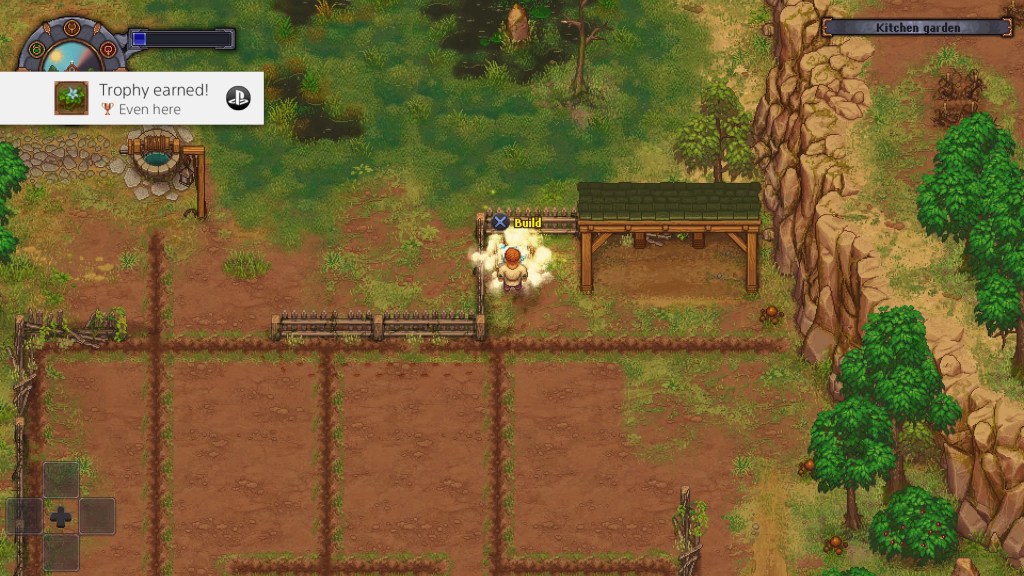
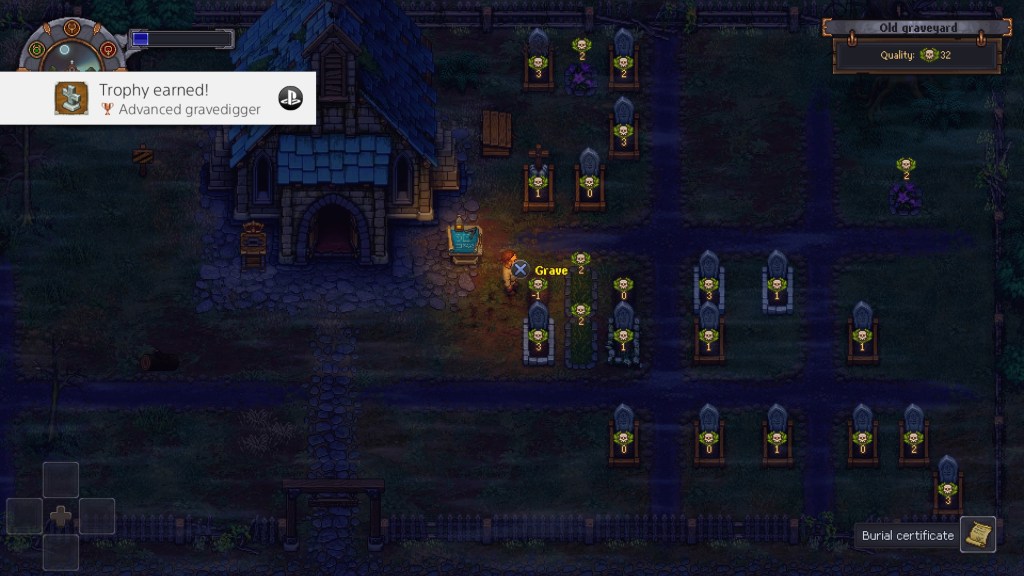
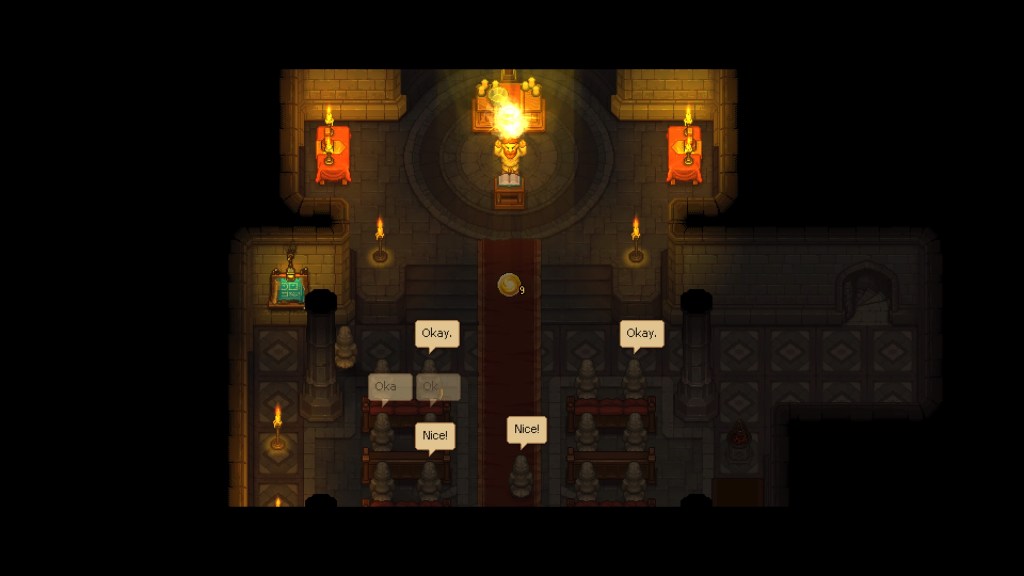
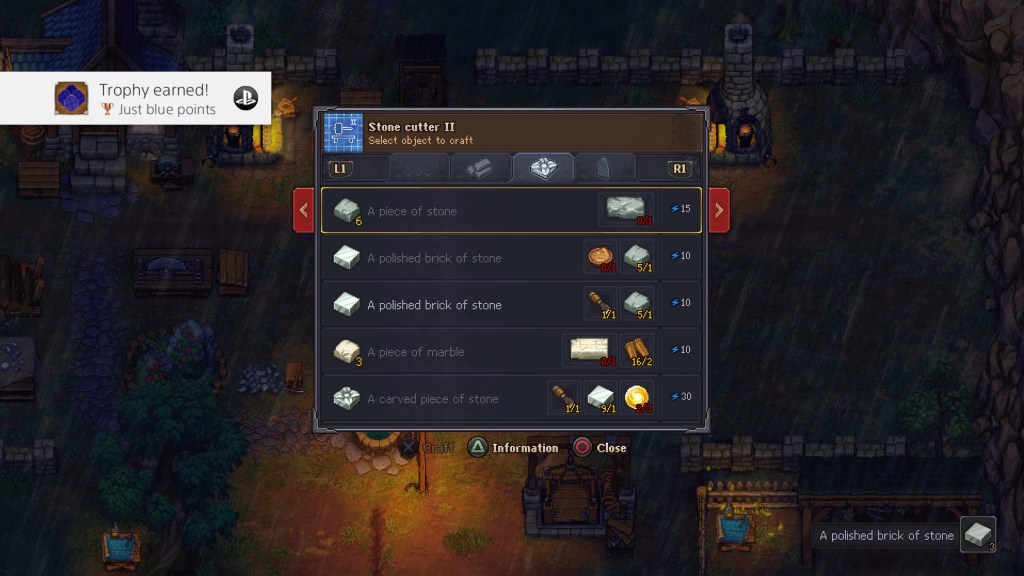
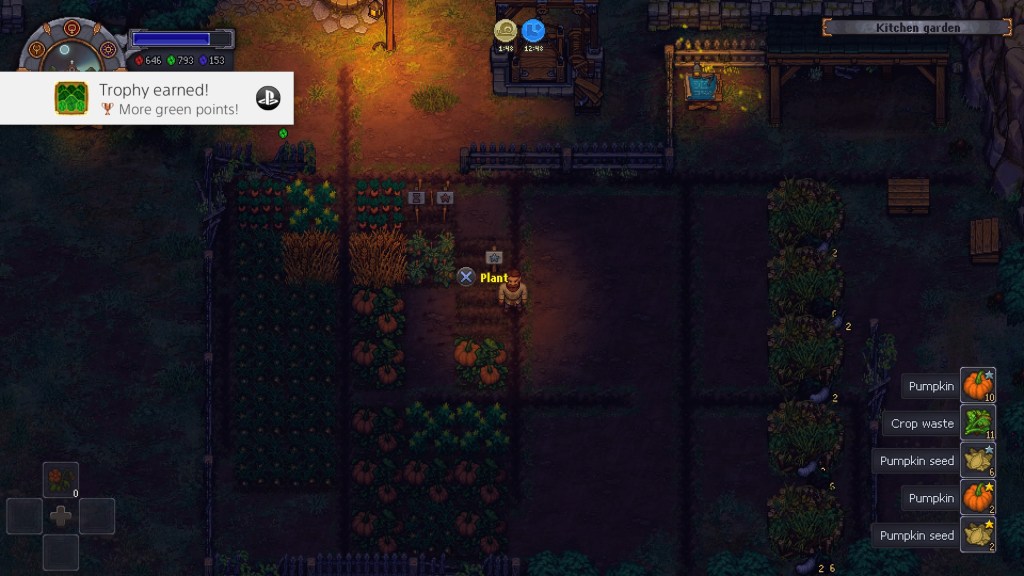
Over time you develop and fix up the old graveyard and your house, you unlock farming, beekeeping, wine and beer making. As the graveyard gets nicer and filled with better “quality” people you will unlock the church which is where the game really takes off. You will be tasked with doing a weekly prayer, this will help you generate faith which leads to the most powerful unlocks in the game. Doing tasks and work generates points – there are three types of points – red (generated by wood/stone/metal work), green (generated by doing farming work) and blue (generated by researching things and high level item crafting). These 3 types of experience points are used to unlock things in the research trees, and there is quite a good amount of things to be unlocked.

Worth it?

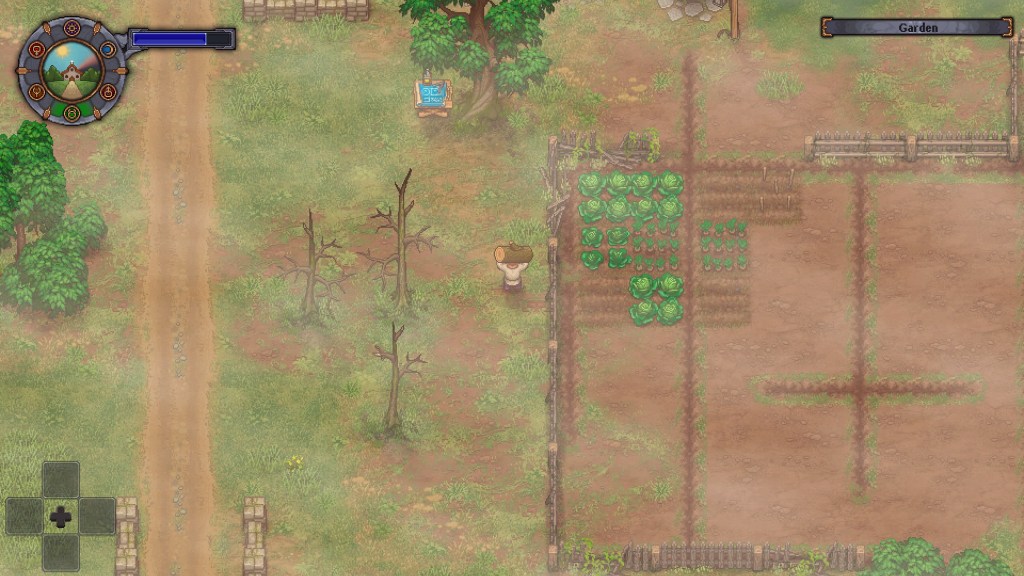
The game is incredibly addictive. It has that typical element of “just one more day” or “just one more task” that keeps you on it for crazy amounts of time. What makes the game even more clever is the way the days work – often times quests will require you to do something that’s basically 5 days away, meaning that you have to wait almost an entire week to complete a phase in a quest (during that time you’re obviously doing other quests or tasks). This has the effect of keeping you super busy all the time, following NPCs schedules and working around having a corpse delivered to you every so often as well. The game’s aesthetic is well delivered and can be very eerie at times (especially when the fog roles in). It’s perfectly matched by the sound design of the game and some of the rather dark and funny humour.

Graveyard Keeper will generally set you back around £10, which at first may seem like quite a lot, but the game really offers quite a lot, it’s also cheaper than competitor Stardew Valley. If you can grab it while it’s on sale for around £5, then you’ve got yourself a steal; it’s worth noting the game is also free with PS Plus Extra. While the game’s ending leaves a lot of questions unanswered and there are 3 DLCs that attempt to answer those, each of the DLCs will set you back around £7-8 and add a variety of new stories and gameplay mechanics (like being able to make zombies to automate tasks). The game is highly addictive and will keep you hooked for a considerable amount of time – overall the story can take around 40 hours to complete, but that could easily stretch towards 50-60 depending on what you end up doing.

Tips

  • Get the teleport stone from the Dark Horse tavern as soon as you can afford it – it makes moving around the map so much easier
  • Try to only put high quality corpses in your graveyard, red skulls reduce the appeal of a grave
  • Focus on opening the church in the early game so you can unlock the weekly prayers – these will generate faith for you and unlock the church basement where you can do alchemy and craft new types of items
  • Meet Clotho to unlock the alchemy workbench and skill tree
  • For a perfect 12 skull corpse you will need to have unlocked and use the various embalming injections
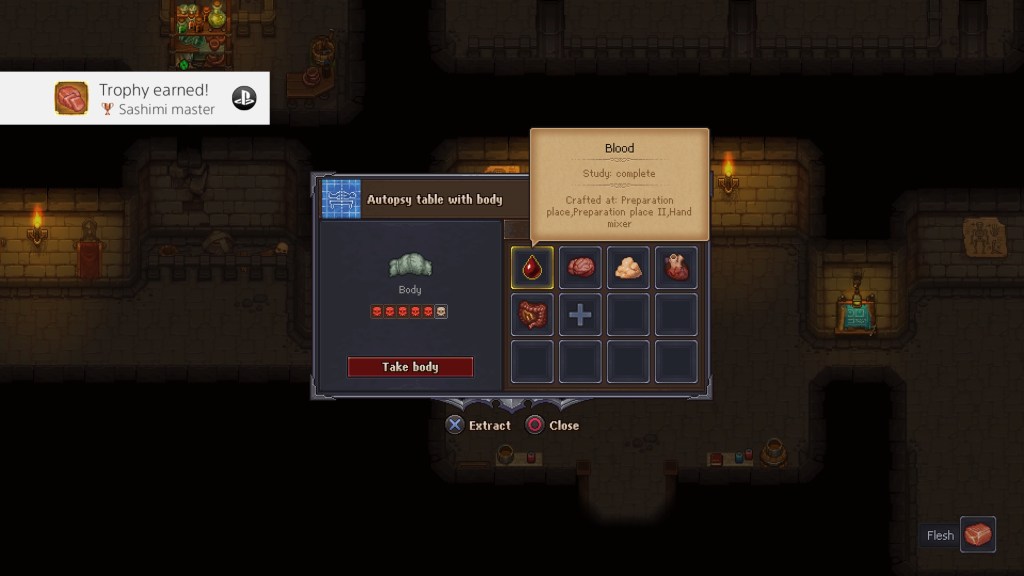
  • Blood and fat always remove 1 red skull, organs will account for a random amount of red/white skulls in each body, flesh will always remove 1 white skull
  • The Quarry lets you set up a little base where you can mine iron, stone and marble for extended periods of time – just make sure you have enough materials to build the workstation and storage there
  • Save blood – there’s a late game quest (and speed potions) where you will need quite a lot of it
  • The dungeons save your progress – so if you’ve killed half the mobs on a floor and exit it, that will be saved when you return
  • Throwing bodies into the river is ok, but if you have a poor quality body you’re better off burning it as you still get the burial certificate
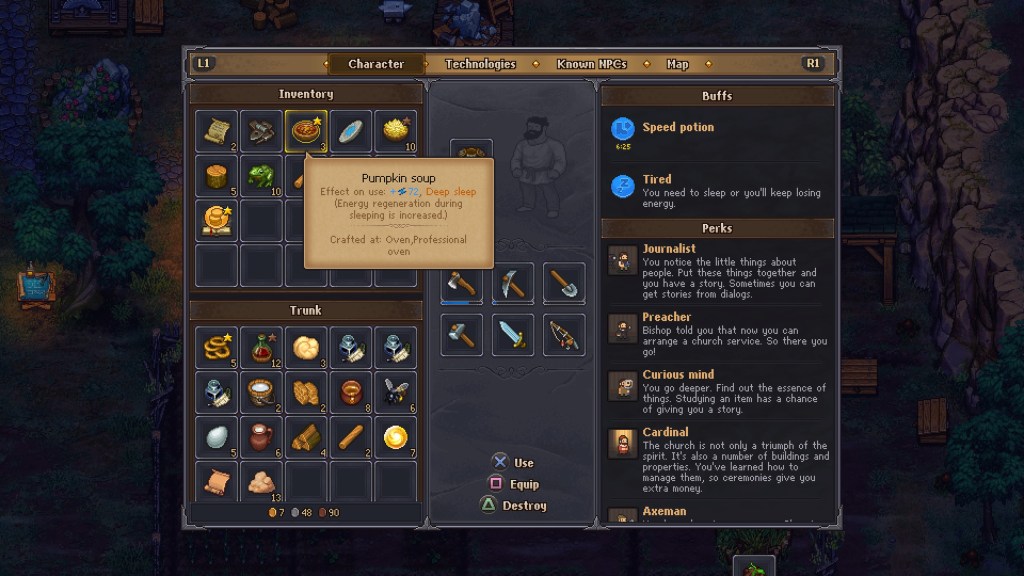
  • Once you unlock alchemy and the tier 2 bench get speed potions – but only take them after you’ve had a sauerkraut (as it increases the duration of buffs)
  • Gravestones and fences generate a lot of blue points when being researched
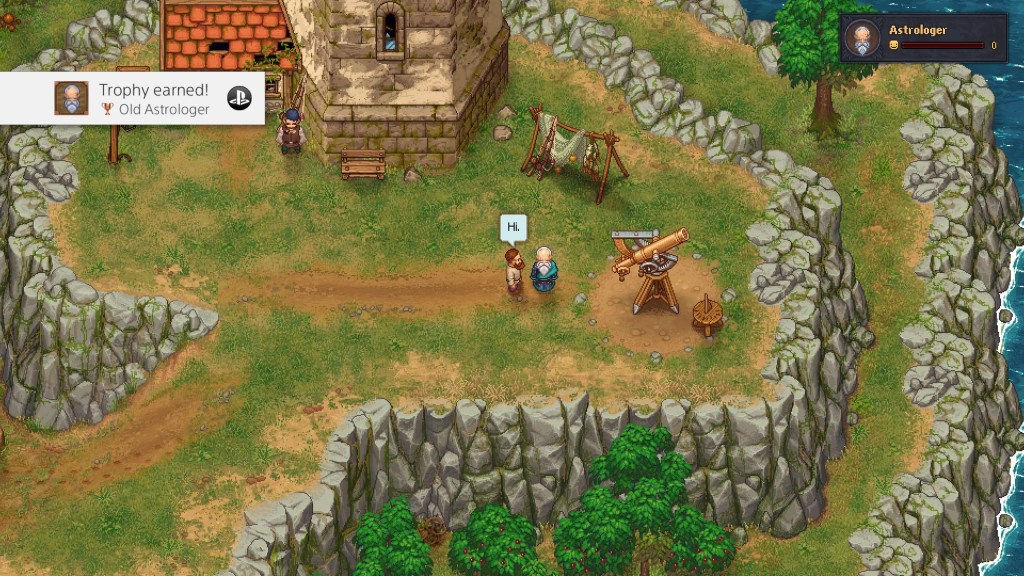
  • You can purchase books containing a specific number of red/green/blue points from the astrologer

Useful Links

Marvel’s Guardians of the Galaxy

The Game

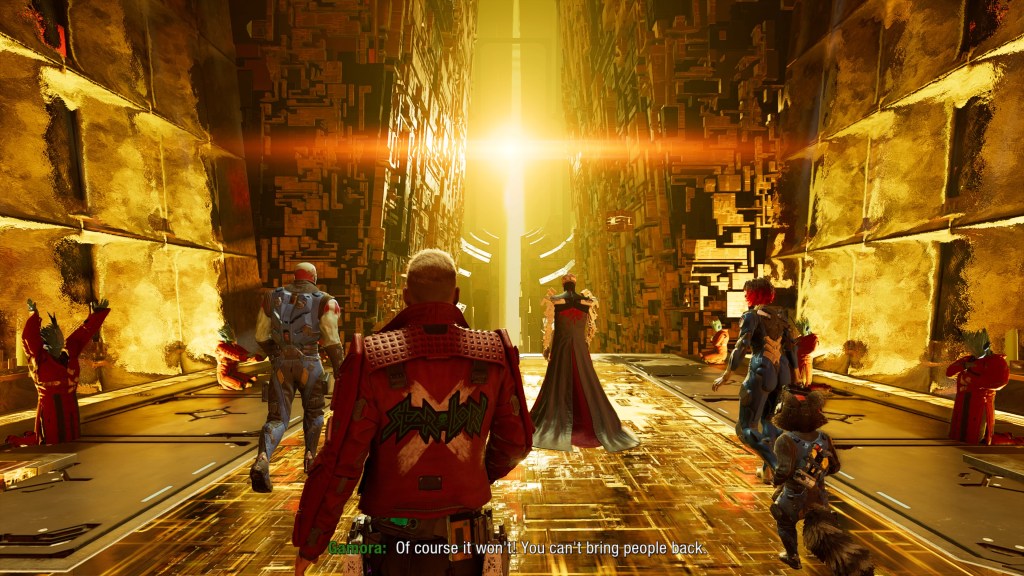
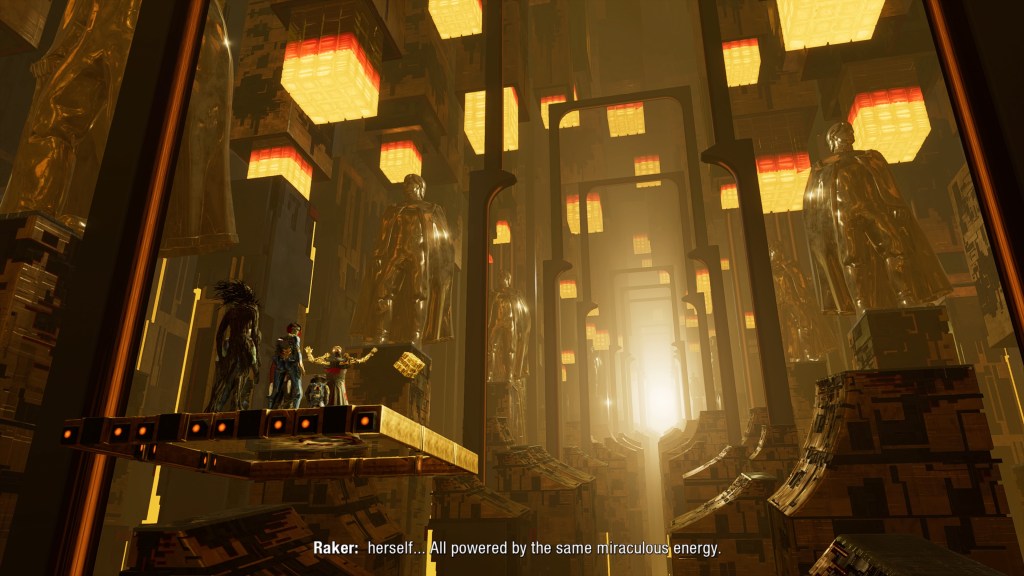
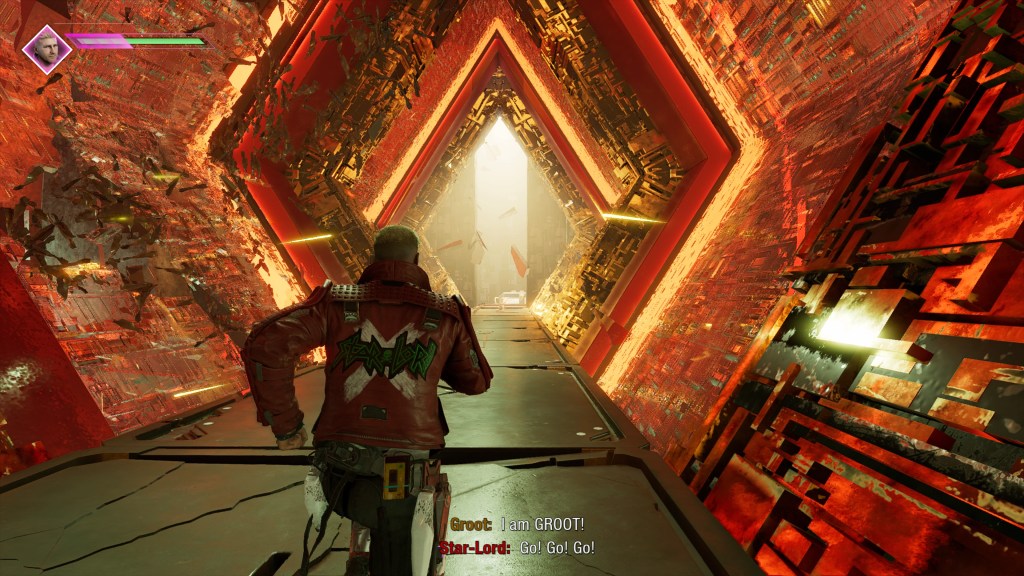
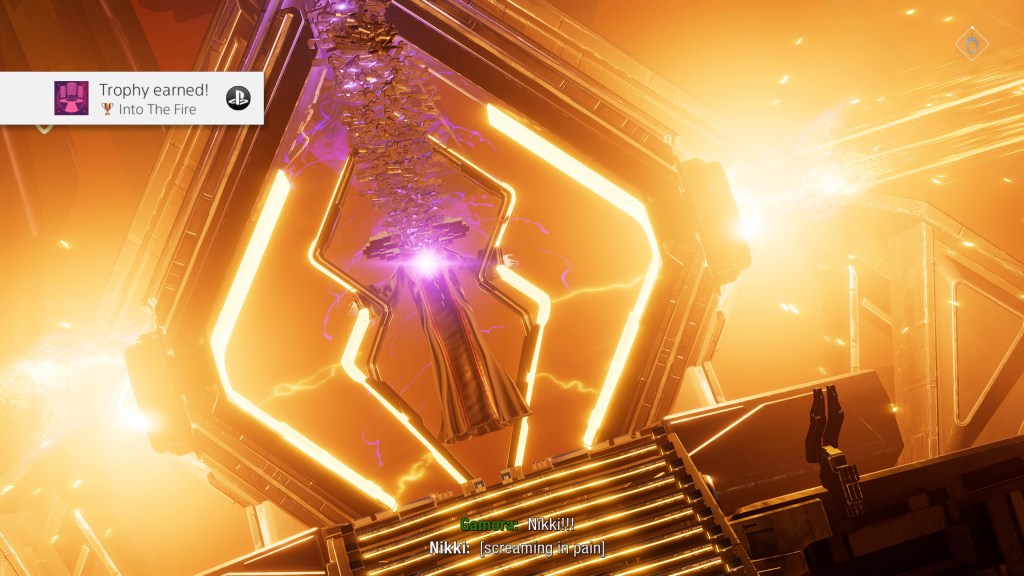
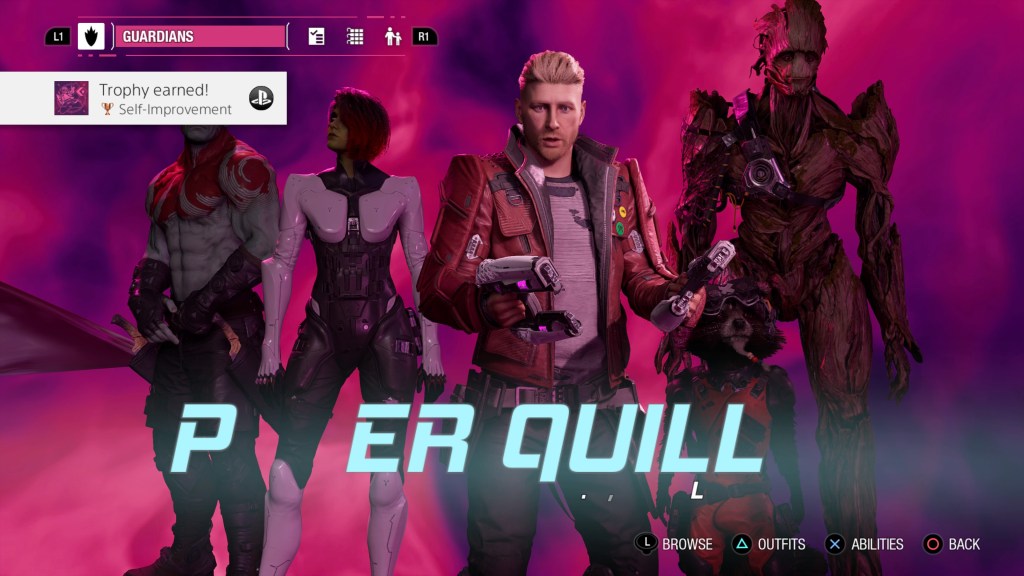
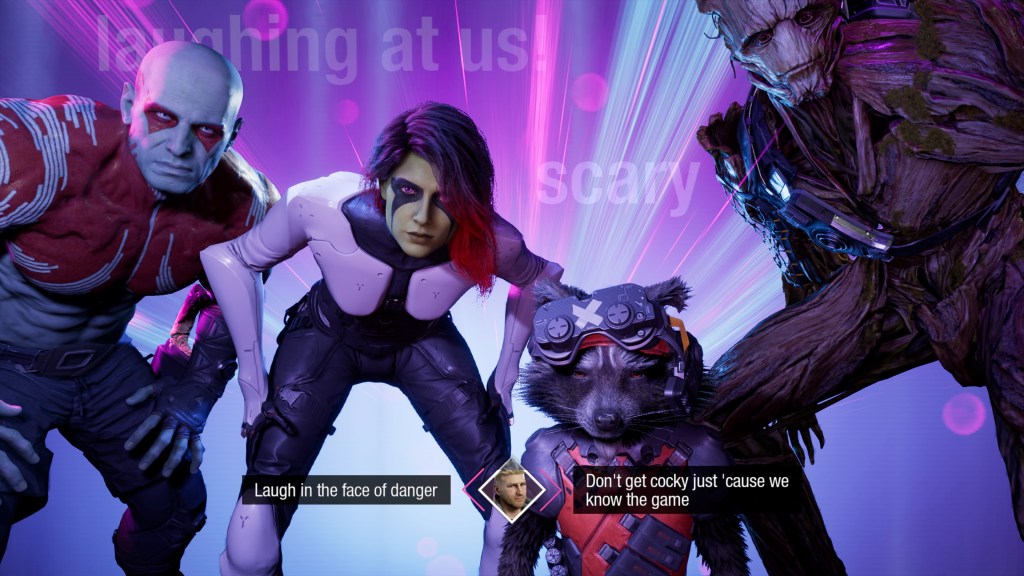
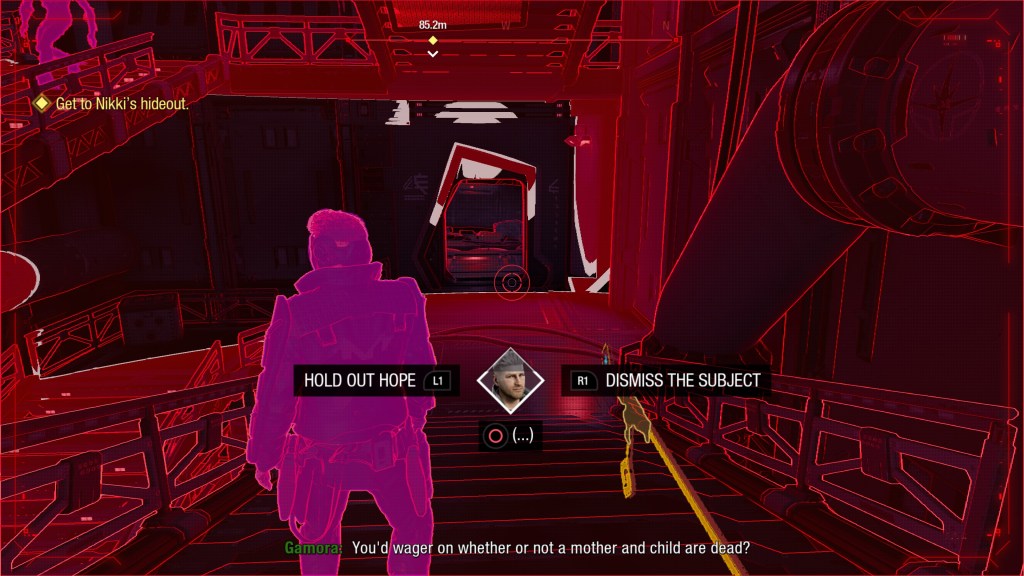
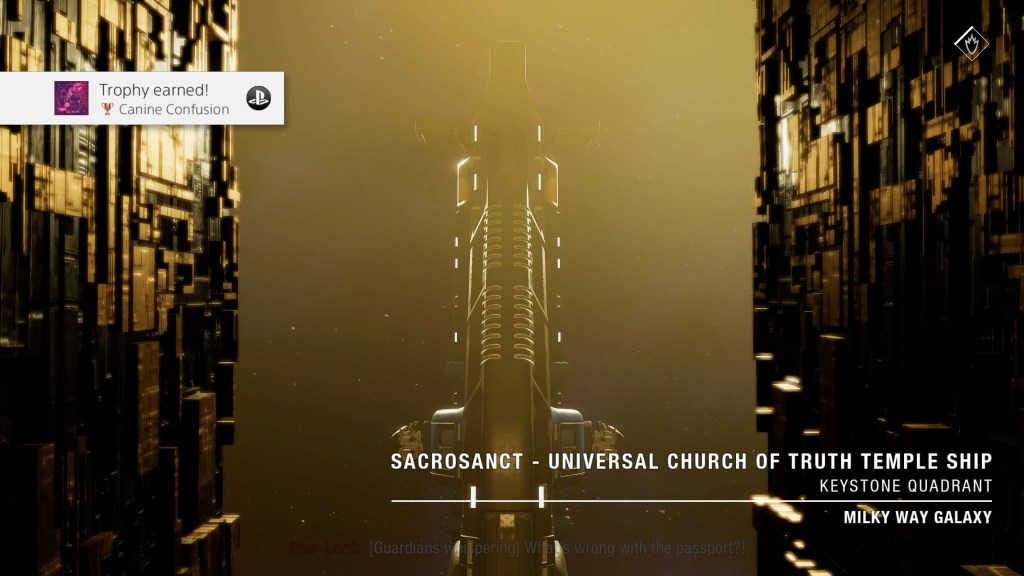
Marvels’ Guardians of the Galaxy is an 3rd person action game developed by Eidos-Montréal with some interesting combat and puzzle mechanics. Fight as the 5 guardians and utilise their unique abilities to progress the story and fight off your enemies. The game sees the iconic Peter Quill, Drax, Gamora, Rocket and everyone’s favourite Groot appear in a story based just after Thanos’ end and storyline. The Guardians quickly end up triggering an unfortunate series of events that sees them let loose an ominous world destroying energy upon the galaxy. They quickly get themselves into even more trouble with the Nova Corps. As the team embarks on the adventure Rocket and Peter end up in a bit of a quarrel. As the team manages its dynamics and learns to work together effectively they also work their way around the galaxy making new friends and enemies. Characters such as Lady Hellbender, Mantis, Adam Warlock and Cosmo the Spacedog make an appearance to help the Guardians on their way.

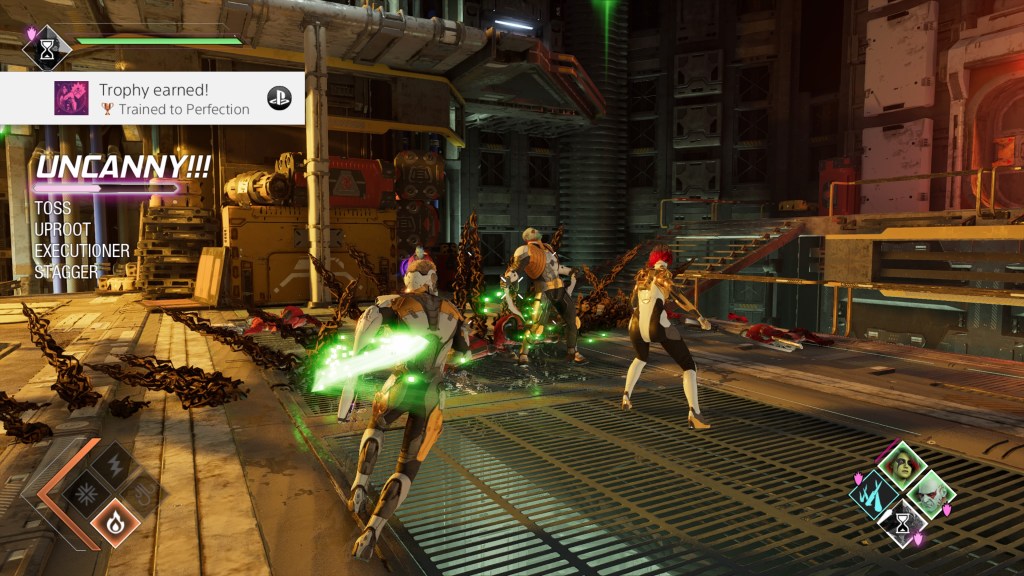
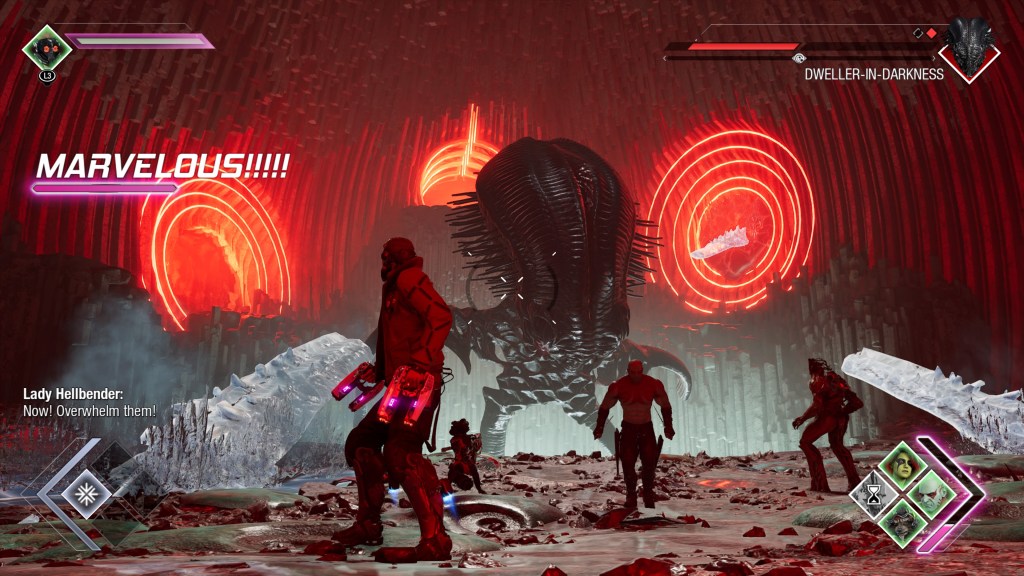
Each character has 4 unique abilities that can be unlocked and used in combat. They will also have various skills that can be used outside of combat in order to traverse the world. This makes for quite an interesting gameplay experience. Different skills will synergise differently, making for some very exciting combinations and combat mechanics. Overall the combat is quite fun, Peter makes use of various elements that different enemies are weak to. The others make use of AoE or CC moves or alternatively focussed heavy hitting moves. The boss battles prompt some thinking and interesting combinations of characters, overall it’s not difficult, but reasonably challenging – making it quite fun.

Worth it?

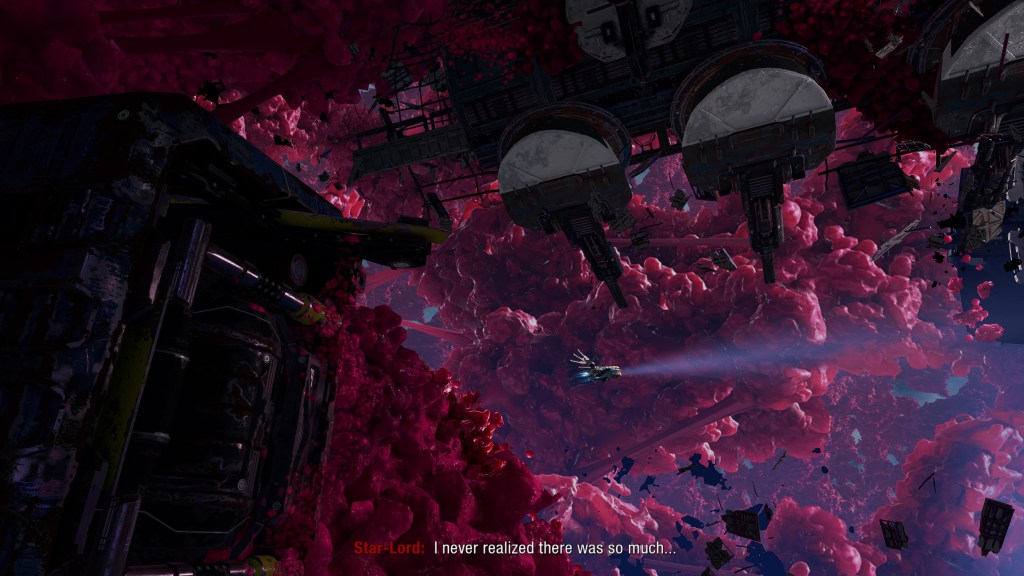
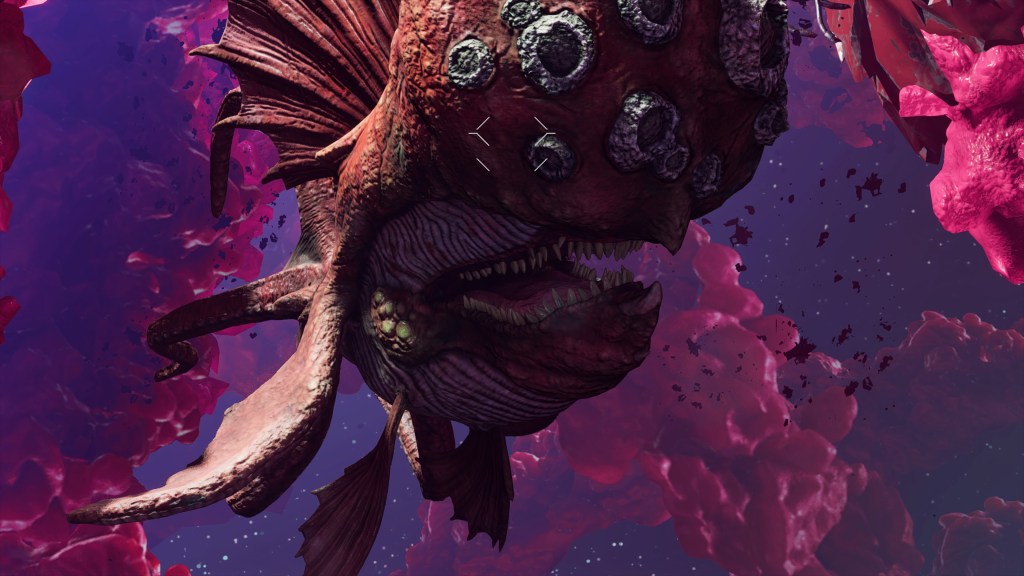
The game will take you around 17 hours to complete, currently the game will set you back around £20-25 on most gaming sites, up to £60 on the PlayStation store (or free if you have PS Plus Extra). The game is a great addition to the Guardians of the Galaxy franchise keeping the good humour, great music and awesome characters. The environments, worlds and monsters are all beautifully modelled. The rather basic combat is made much more engaging with the different character abilities and the different elements that Peter unlocks throughout the story. There are times where the signposting could be a bit better and it’s possible to get a little confused or stuck (especially the Creepy caverns), but as long as you keep a look out for interactive objects and listen to the dialogue or prompts from your teammates you should be ok.

While the game is very linear the choices offer some small variations in how exactly the story pans out – most often offering shortcuts and quicker ways out of certain situations or some alternative dialogue. Overall the game lasts around 25-30 hours, it doesn’t really offer great replay value other than for completionism, it does offer a new game plus mode for an extra challenge, but realistically you will likely only play it through once. The game is definitely worth playing, especially if you can pick it up on sale (avoid paying £60.00) or free from PS Plus and even more so if you’re a fan of the franchise.

Tips

  • Unlock the visor ability to see /show spare parts as early as possible
  • Keep a look out and destroy the dark material whenever you see it
  • Decisions don’t really impact the overall game, but can sometimes make it a bit quicker to get through a certain area, depending on the choice you make. Overall however the game is quite linear.
  • Make use of elemental weaknesses – you will tear through enemies a lot easier if you hit them with the right element from your guns
  • Look around and behind you when you start/enter an area for spare parts or unlockable skins
  • Unlock the ability to scan enemies in combat – it will tell you what the best approach to taking them down is and of any weaknesses
  • Look out for things you can use in combat that are triggered by your team mates
  • Try to fill stagger meters for easier kills

Useful Links