The Crew 2

The Game

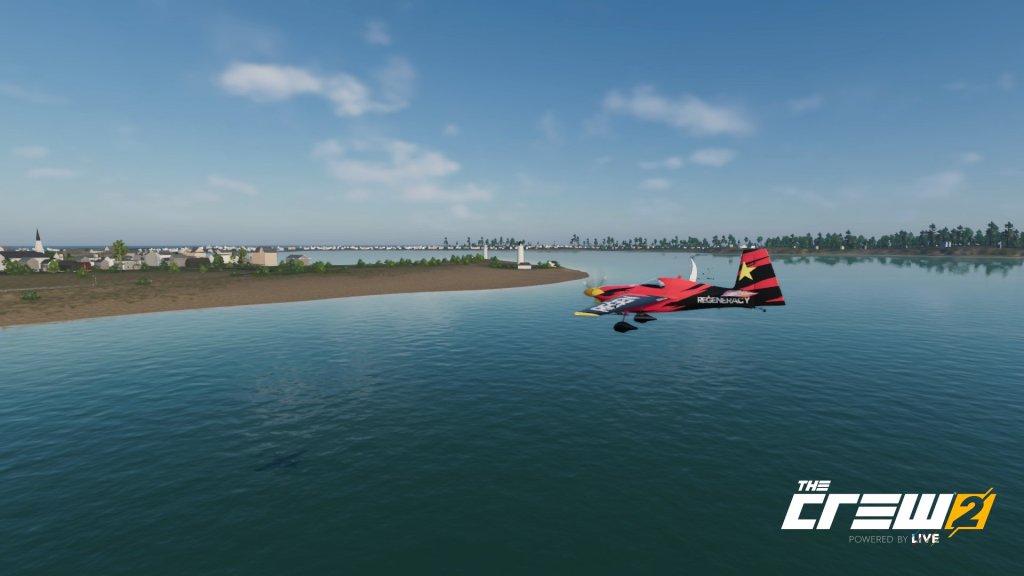
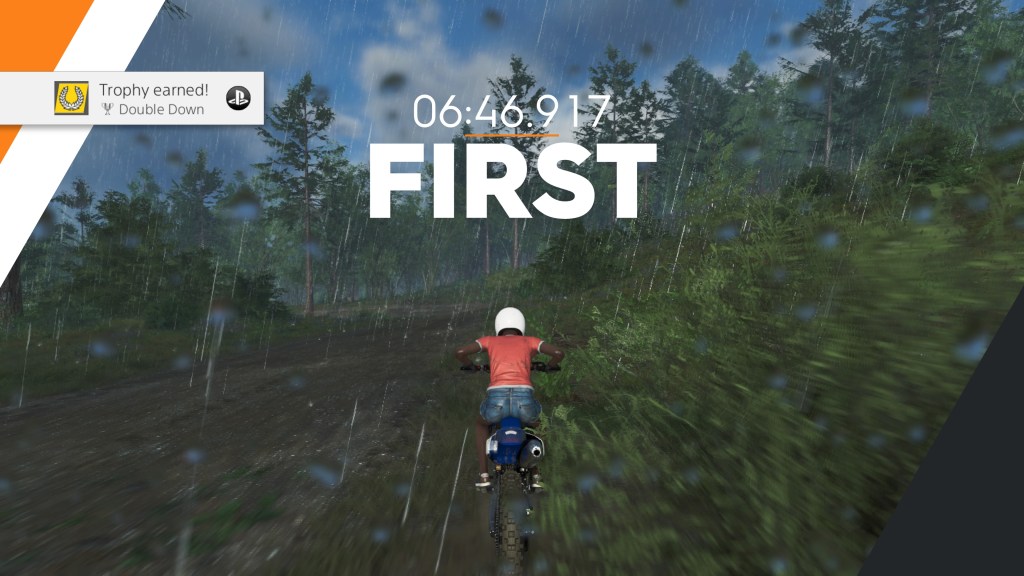
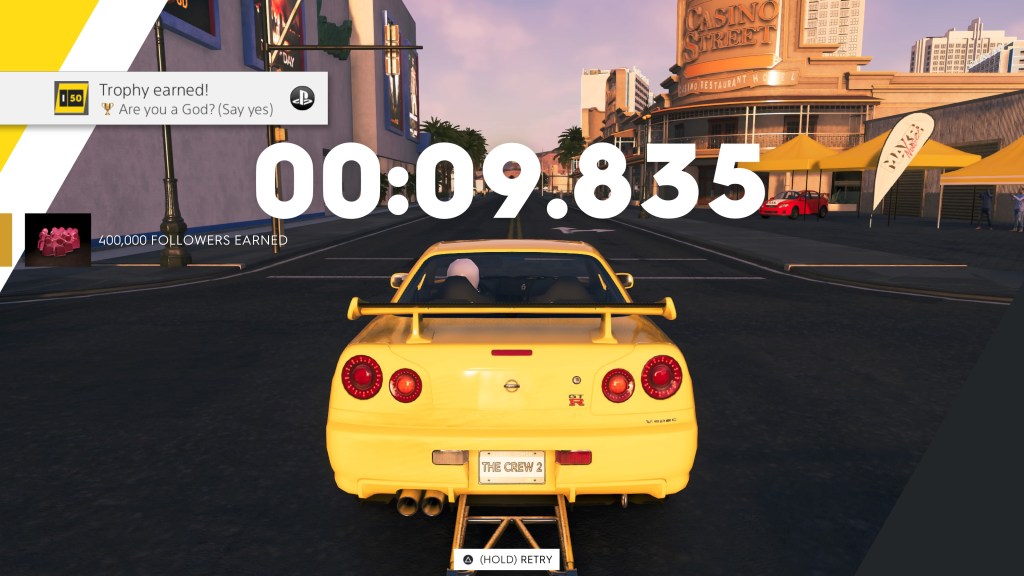
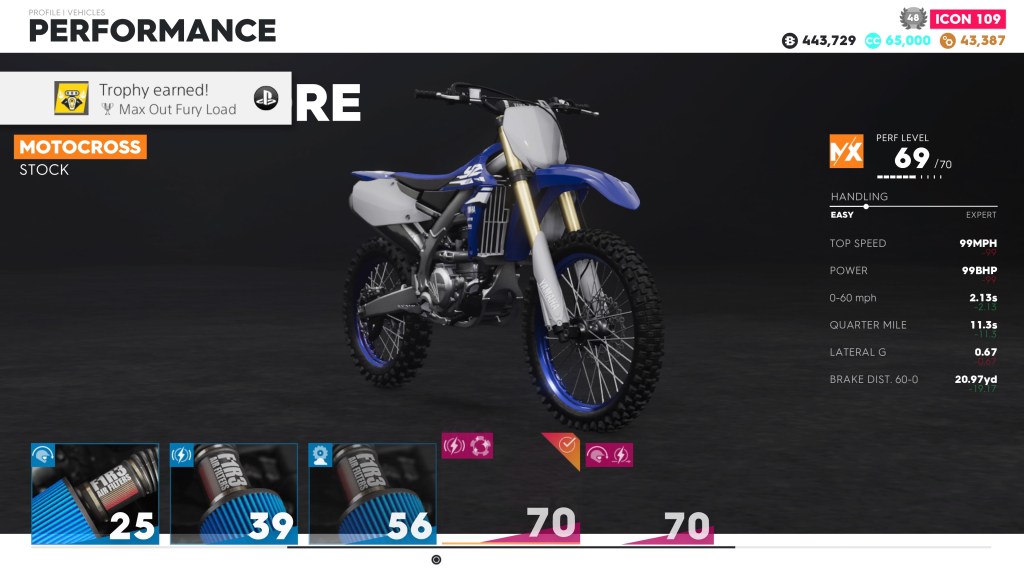
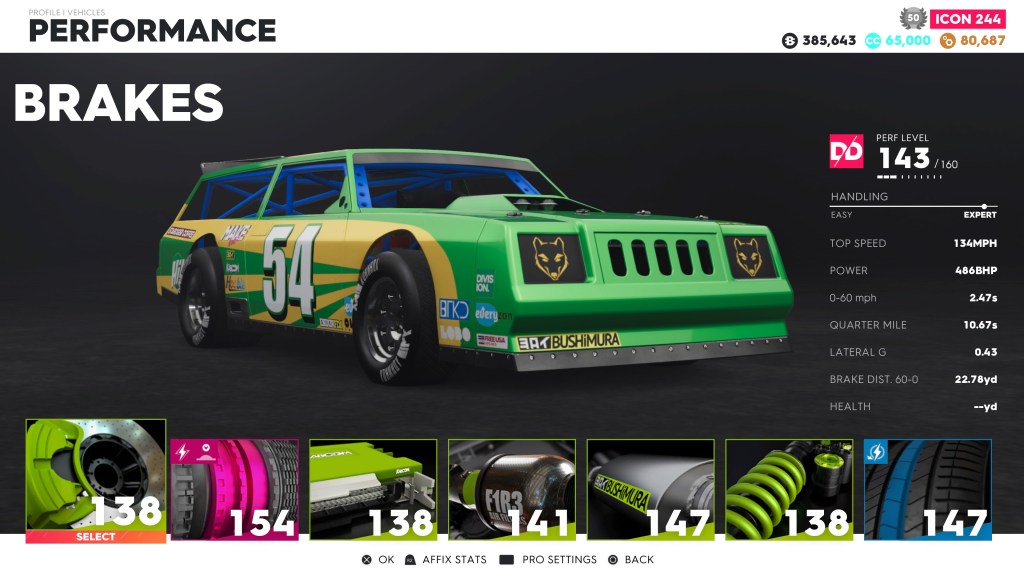
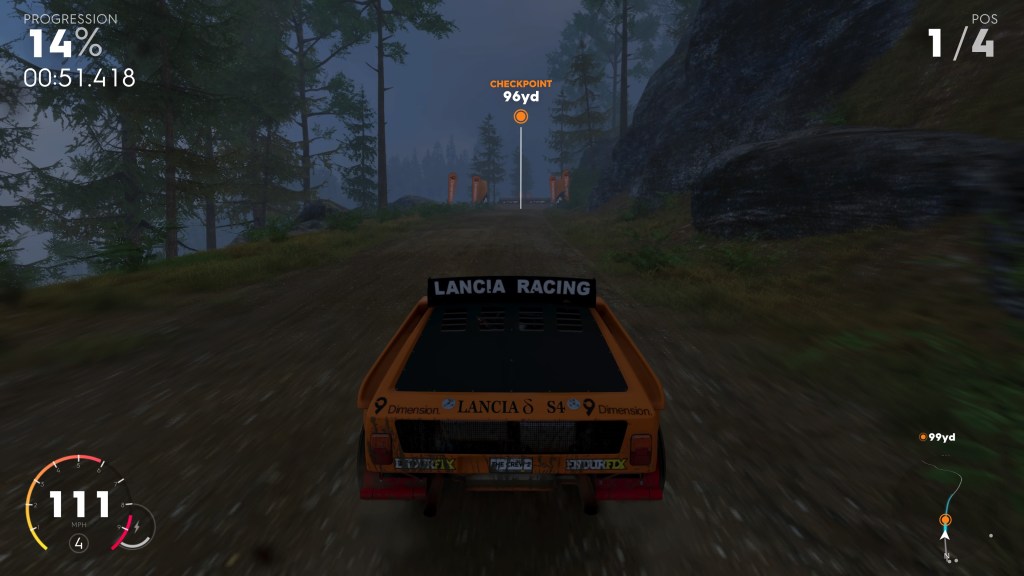
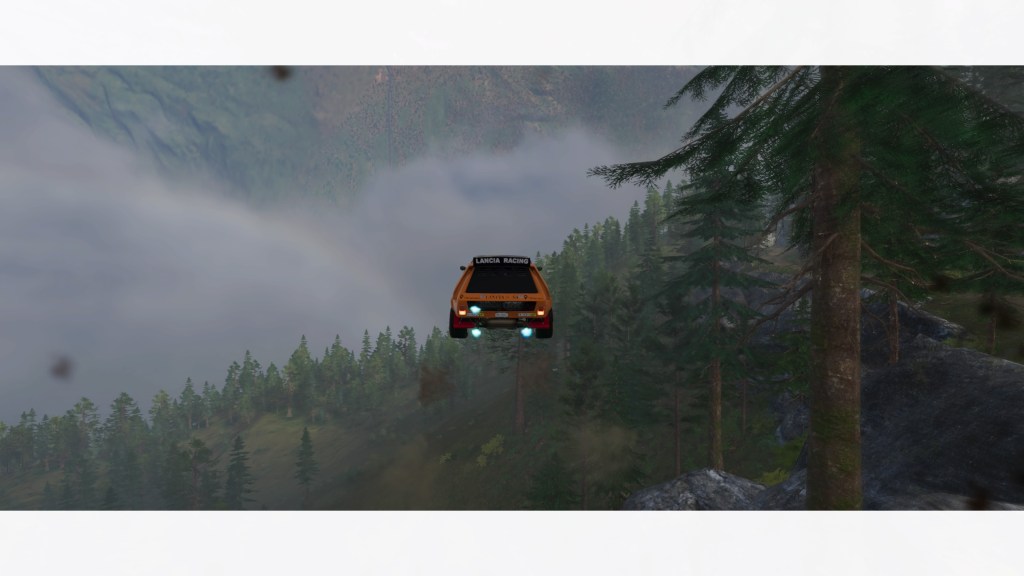
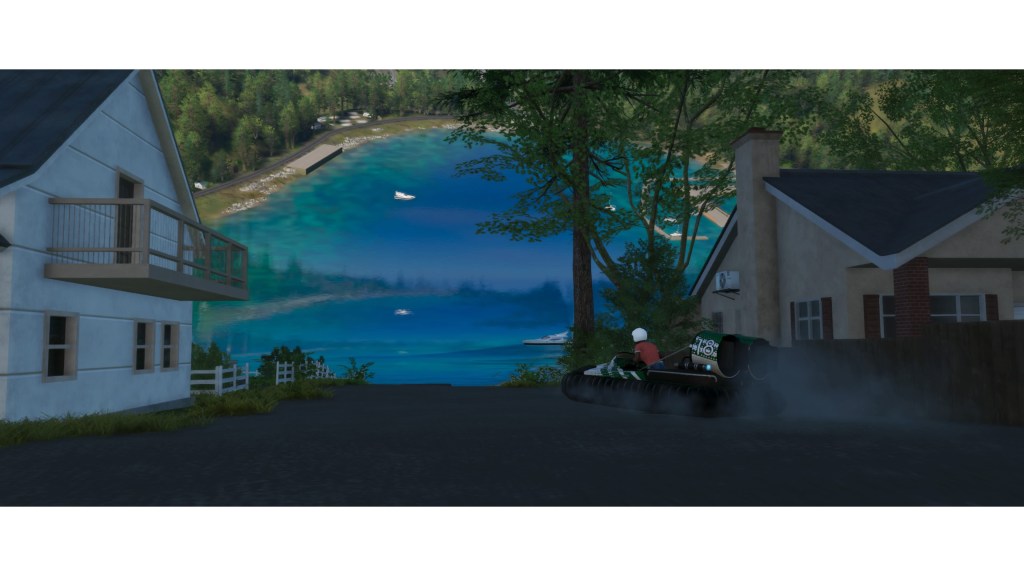
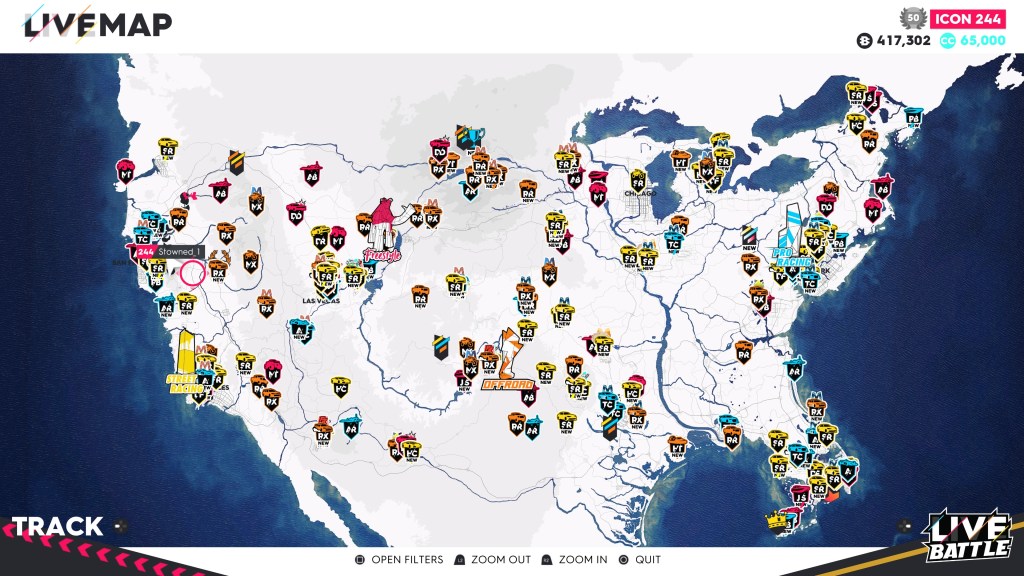
The Crew 2 is an open world racing game developed by Ivory Tower and published by Ubisoft. The game features 16 different types of races ranging from airplanes to dirt bikes to hovercraft and power boats. It takes place in a scaled down version of the United States and allows you to race in big cities or through the countryside and some of America’s most famous landmarks. There are hundreds of races to chose from, each with 3 difficulty settings as well. Completing races will award you with followers (essentially XP for levelling up) and new parts for your vehicle, allowing any vehicle to be upgraded and compete with other higher tier vehicles. You don’t need to be familiar with the first game in order to get stuck into this one. There is some loose story, which is basically irrelevant, although admittedly it has some pretty epic cinematic moments at times.

There are 4 main types of races – Street, Off-road, Freestyle and Pro Racing. Each of those has 4 sub-categories depending on the type of vehicle:

  • Street – street, drifting, drag, hypercars
  • Off-road – rally raid, motocross, rallycross, hovercraft
  • Freestyle – aerobatics, demolition derby, jet sprint, monster truck
  • Pro Racing – powerboat, air races, touring car, alpha grand prix

There are also Live Xtreme events – probably one of the games more unique and exciting features, in which you race in several disciplines with an almost seamless transition between vehicles. Once you have completed 50% of each race family’s races you can take on the boss for a chance to earn an ultimate vehicle. There are also hundreds of skill challenges and various other types of races available, including weekly events in which you compete for the highest score on a series of events against other players from around the world.

Worth it?

Overall the game is every completionist’s dream. With hundreds of races, challenges and vehicles to collect – it will keep you busy for a very long time. One criticism was that certain types of race had a lot less events compared to others – street races seem to vastly outnumber all other types of race and it would be nice to see a few more events for some of the more niche vehicles like monster trucks, motorbikes or hovercraft. While the open world is truly gigantic and there are quite a few events and challenges around it, it can feel a little too big and a bit empty at times. The always online mode of the game also means you can’t pause and walk away from a race because you will get kickedd from the server.

The weekly events give players a reason to keep returning to the game, giving it decent longevity (aside from a completionist approach to the game). There are also seasonal events with a new one being announced just a few days ago – adding new races and challenges to take on. The follower and rank system is a nice touch, allowing you to upgrade earnings or vehicle performance as you increase your rank. The full price game is not worth it by any means (over £40), however you can often find it on sale for as little as £6.99 for the base game, if you are on PS Plus Extra it is available for free. The game will keep you busy for a considerable time, especially if you’re a fan of racing games or a completionst.

Tips

  • Hold L1 & R1 (or equivalent) to reset your vehicle onto the road.
  • You receive car parts after each race so don’t rush to teleport away until you’ve received them.
  • You can spend skill points every time you increase your rank – invest in skills that gain you more bucks as much as possible.
  • Don’t spend money on vehicles in the early game and once you have amassed some wealth make sure you buy the vehicles you need for new race types first – aiming to have one of each vehicle as soon as possible.
  • The New York hypercar race pays the best, however also takes really long, the other money grinding option is the Uber Dam powerboat race, which is very quick to complete.
  • Remember to pull back on your joystick (tilt back) when using a boat to go at higher speeds, let go of this for more control and better steering.
  • Use nitro to recover from mistakes or in stretches when you can use a lot of it in one go.
  • You can get an overview of all completed and uncompleted races from the activity menu, which is easier to navigate than the map.
  • You can customise your racer’s outfit at Home.
  • When loot gets sent to your HQ mailbox you need to go to one of the 4 race types HQs (where you buy vehicles) and look for the mailbox section where your unclaimed loot is stored.
  • Once you’ve acquired good car parts you can start to scrap green and blue parts to generate spare parts, which can be used to tune top tier (yellow) car parts.

Useful Links

Isle of Arrows

The Game

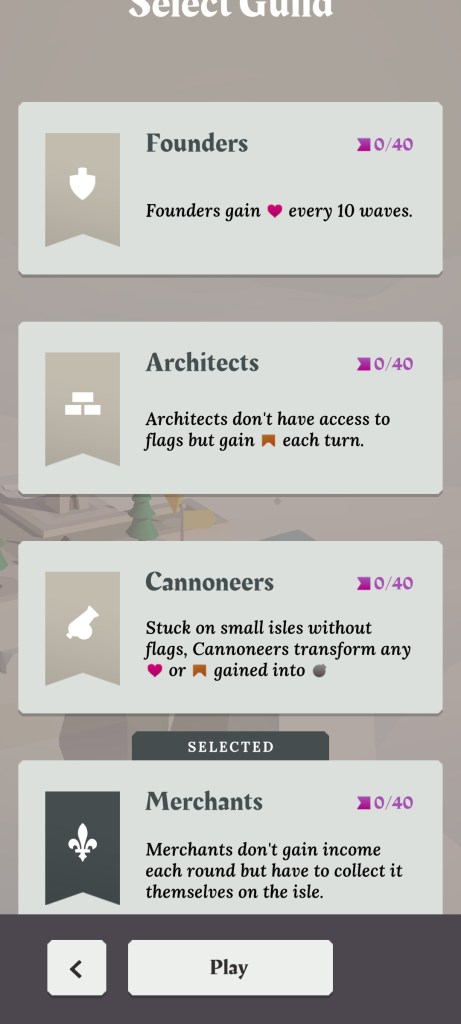
Isle of Arrows developed by Gridpop is a card based tower defence game made by a single developer. The game presents a fairly simple concept of randomised cards that allow you to place new paths or towers onto your island (also randomised each game) and defend against the incoming waves of enemies. There are 5 different classes that can be played, each with different abilities or lack thereof. Aesthetically it’s a pleasing simple low poly and pastel colour palette.

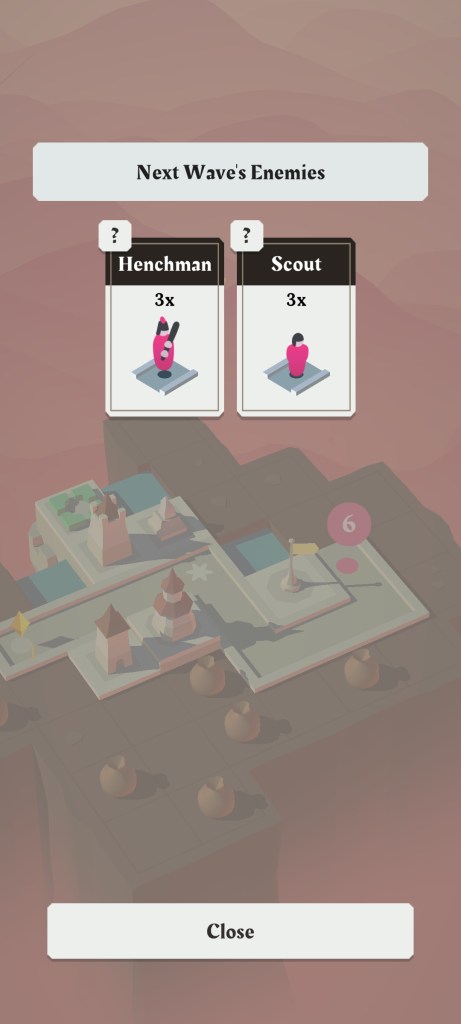
Between each wave you are presented with a new free card to place and can purchase more additional cards for an extra 2 gold. Some cards will have water tiles attached which require some forethought and strategy when being placed as removing them isn’t always easy. There are also random events and relics that can help or hinder you as you progress through the game. As you build up your reserve of cash, every 10 gold, you will earn an extra 1 gold per wave (ie if you have 10 gold, you will get +2 each wave, if you have 30+ gold you will get +4 each wave). There are 3 main game modes to play: Campaign which features 4 main areas, Gauntlet which presents increasing difficulty and challenges and a daily defence challenge.

Worth it?

Isle of Arrows is both an an aesthetically pleasing and beautifully simple game with a good amount of depth and some potential for further development and features. The PC version will set you back around £10, whereas the mobile version is around £5. The game has a few core levels and the gauntlet and daily challenge give some additional gameplay options after you’ve completed those – it would be nice to see even more cards and areas added in the future. Some more customisable game modes would also be interesting, for example custom card/event/relic selection or increased random event frequency. There is a slight issue when trying place paths that may end in a solid block (or blowing them up with bombs).

Overall the game is nicely balanced, providing a good challenge while also remaining fun and interesting. There’s a good deal of gameplay to get stuck into, the game can be played offline and in portrait – making it a perfect mobile game and definitely worth

Tips

  • Try not too spend too much money until you reach around 30 gold, then you can spend each turn provided you don’t dip under 30 gold, so you can ensure you’re getting +4 gold per turn.
  • Think about where you’re placing towers and paths and how they’ll be affected in by future cards.
  • When you get a 2nd or 3rd spawn point added, you can get away for 1-2 waves before you need to add more towers or paths to them – just ensure you don’t overinvest in them, but also be weary of leaving them unprotected – in an ideal scenario you want them to come close to your existing towers and paths.
  • Try and place traps on corners where they can hit at least 2 paths, likewise try and maximise the number of paths that each tower hits.
  • High ground can be very useful with most towers to increase their hit areas.
  • Not all cards are worth placing – gardens or cards with water tiles can make the late game quite difficult if you don’t have enough bombs to remove them.

Useful Links

Planet Coaster – Console Edition

The Game

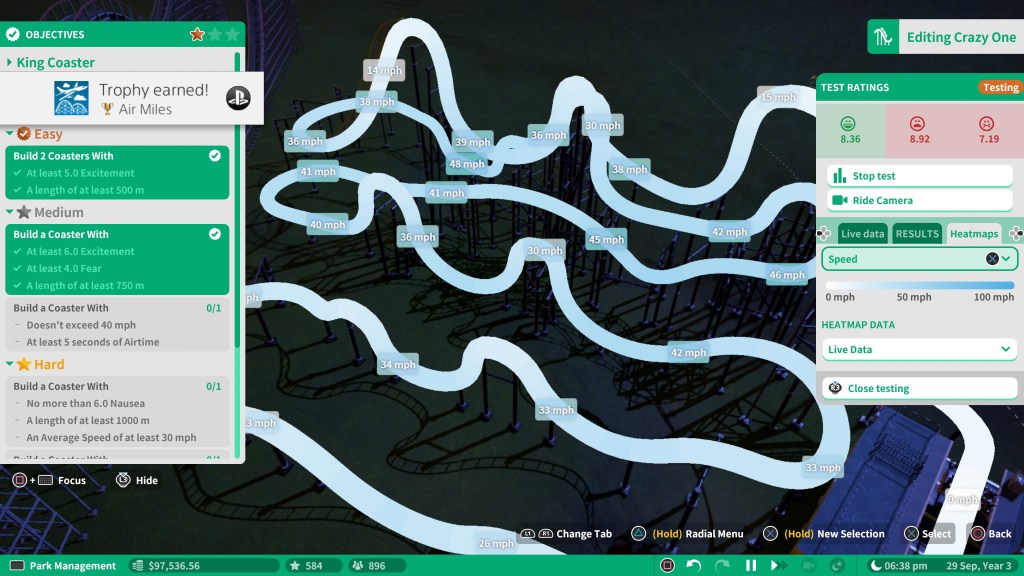
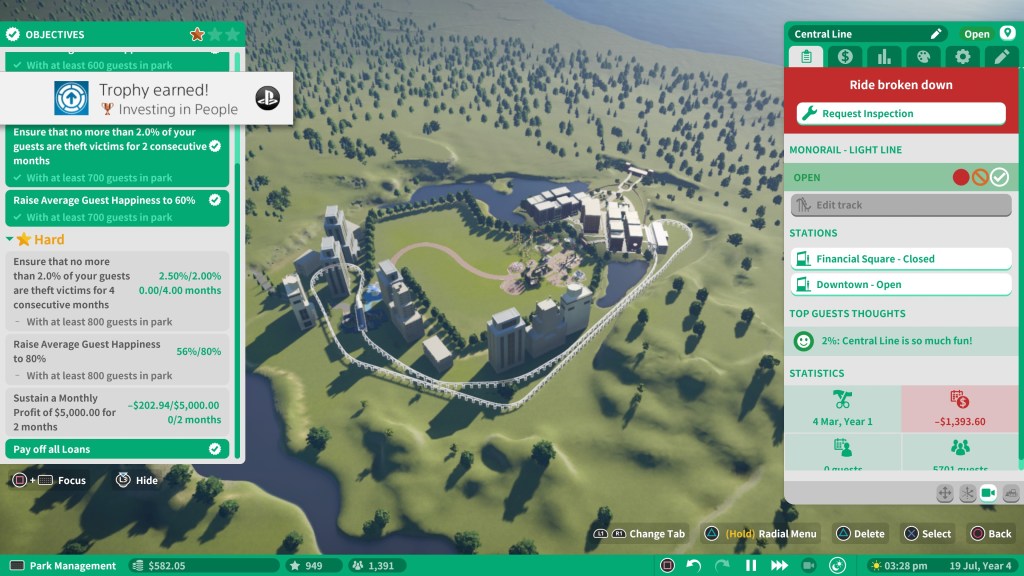
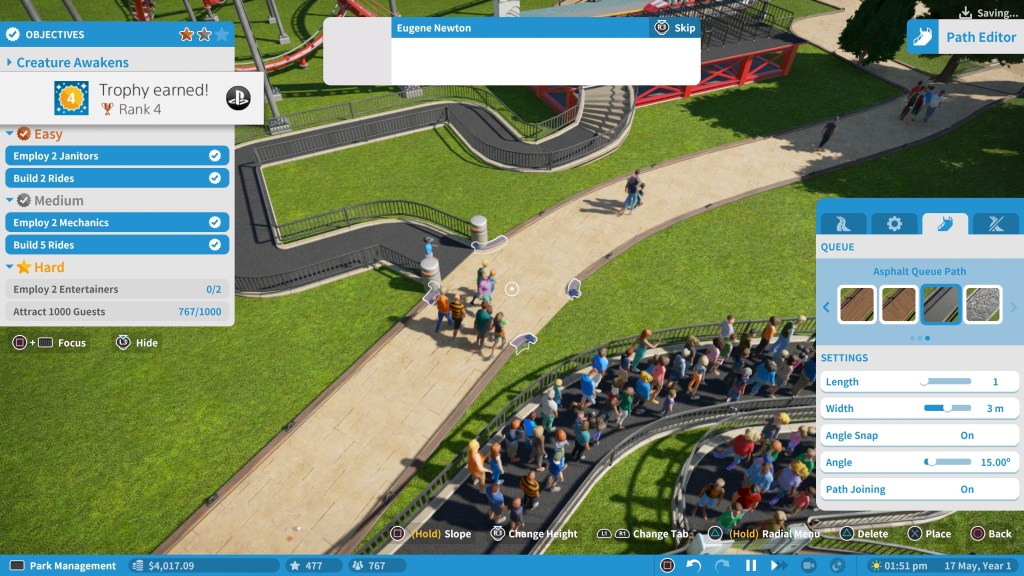
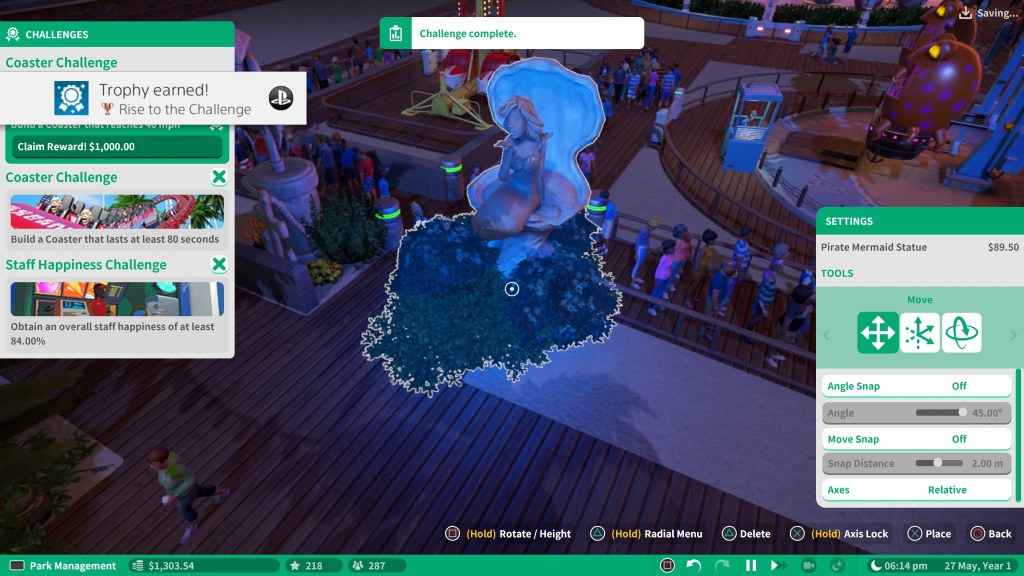
Planet Coaster developed by Frontier Developments was released in 2016 and saw a lot of success since then as a spiritual successor to RollerCoaster Tycoon. The game did so well it was followed up with Planet Zoo in 2019. As should be obvious from the title, the game is all about managing a theme park and building some truly amazing rollercoasters. The game’s campaign mode has 12 scenarios with 3 objectives in each. Generally this takes around 10-15 hours to complete, after which you can look at challenge mode maps where you have to manage your own park by starting out with a limited amount of cash and building up from there. Alternatively if you just want to mess around or build without the limitations of cash you can always try the sandbox mode.

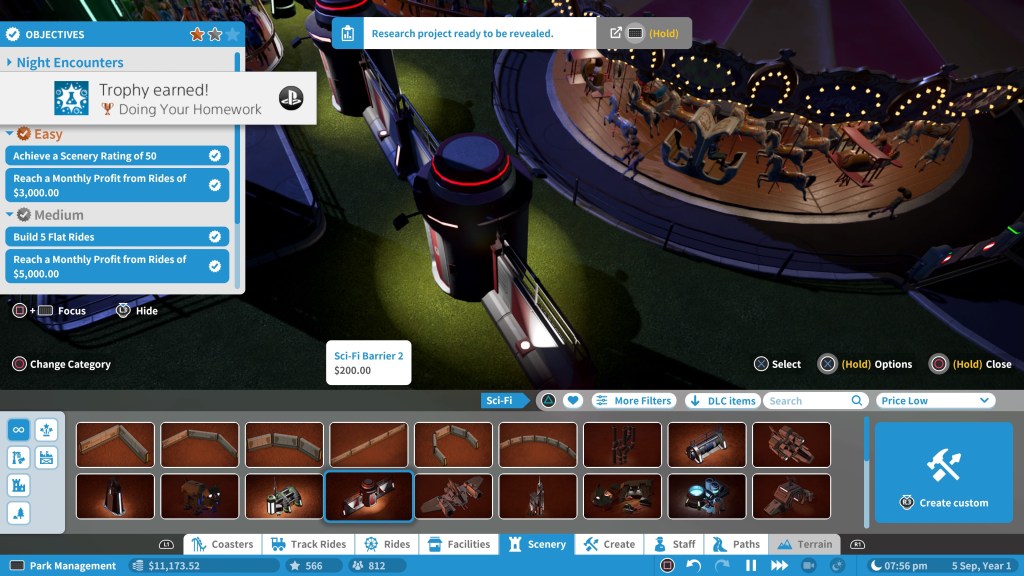
The game offers a huge variety of of coasters and theming options. From classic wooden and children coasters all the way to high speed steel winged coasters with inversions and loops. The themes also include classics like pirate, adventure, spooky, sci-fi and festive. The theme editor allow for the creation of highly detailed and unique scenery, there is also a Frontier workshop showcasing some of the finest creations by other players that you can add to your own collection and use in your own parks. The workshop also features various parks and rollercoaster designs uploaded by others, however you may find that quite a few of these aren’t compatible with console due to the more limited performance.

Worth it?

Considering the game came out in 2016 it has held up very well and as the console version was a little more recent it will still set you back around £17-20 if you get it on sale. As for the PC version you can find CD Keys for around £5-10 which is definitely worth doing. The game is an amazing playground in which to let your creative juices flow. The editor allows for some truly awe-inspiring builds and the only limit is one’s patience and imagination. Naturally the PC version will always be superior due to access to the steam workshop – this is issue is slightly alleviated for consoles by the presence of the Frontier workshop, although even then certain maps or builds won’t work on your console. Controls have been fairly well adapted for console, although when creating more detailed props/scenes it can be a bit tricky at times. The new approach to theming and the way props and decorations are created really do make this game stand out and cement is place in a long line of theme park simulation games.

Tips

  • Some props are grid based others can be freely placed – you can tell these apart by the grid in the background of the image.
  • If a ride’s queue scenery is at 100% you can charge the maximum for tickets (this will still depend on the ride’s prestige).
  • Sending staff on training courses will boost their happiness, but will also mean you need to probably raise their salary.
  • You can smooth a ride out by selecting a part and then selecting adjacent ones by holding X (PS) – you can then select the smooth option from the quick action menu.
  • Free camera allows you to zoom in and look at things even closer.
  • Make sure your staff rooms are within a reasonable distance for staff.
  • Use work rosters to manage where and how your staff work – especially useful for janitors.
  • After around 10 year of operating a ride will become a “Classic” meaning it will be at its highest prestige level – allowing you to charge the most you can for it.
  • A good rollercoaster with high values and good prestige can charge around $20-25. Whereas flat rides will vary from around $7-15 depending on the ride.

Useful Links

Townscaper

The Game

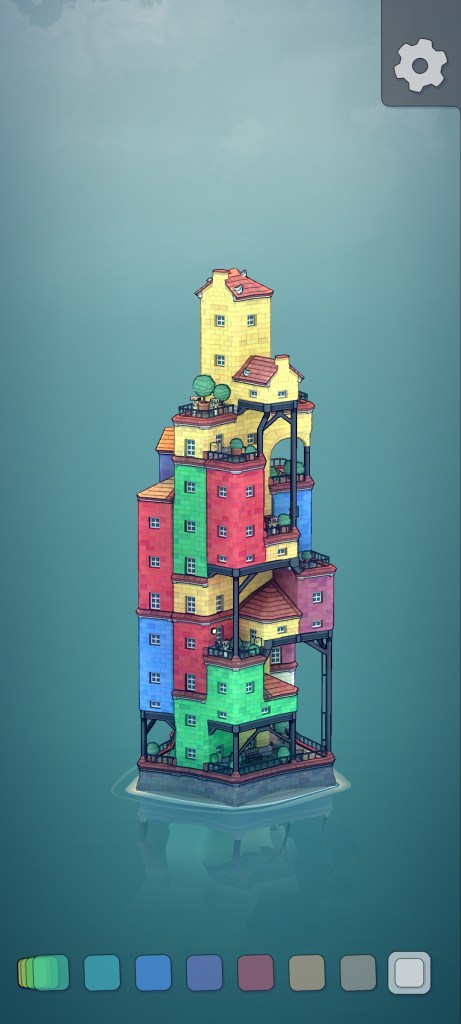
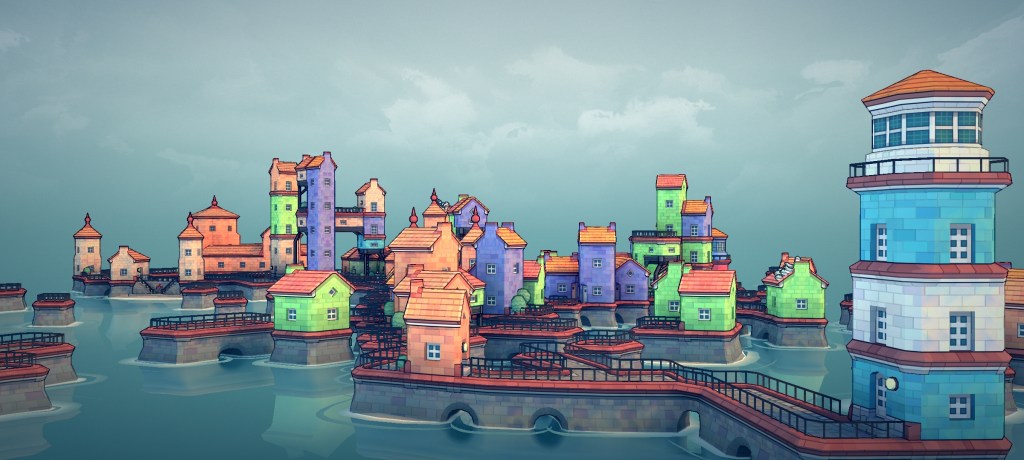
Townscaper is a city building game like no other, made by developer Oskar StÃ¥lberg (creator of Bad North as well). The game allows you to build a procedurally generated city. The game is set on a warped grid allowing for some interesting curves and narrow streets as you build your city. The building process itself is also remarkably simple – just tap to add a block, short hold to remove one and long hold to change its colours. The rest is all up to you. There is no objective, pressure or complexity to the game just an open sandbox for you to create your colourful (or monochrome) island city. As you add different pieces existing ones will change leaving behind houses, terraces, gardens and all sorts of little details to discover. You can choose from 15 beautiful pastel colours spanning the colours of the rainbow and make some truly fantastic creations.

Worth it?

Generally speaking, the game will set you back around £4.99 which can seem a little bit steep for what’s essentially a city painting app. However, when you observe the detail and appreciate the effort that has gone into the game you appreciate it more and more. It is a great mobile game and perfect time killer. You can spend hours perfecting and tinkering with your city and 5 mins can quickly turn into 20-30. The decision not complicate the game with actual “gameplay” like resources and management does leave you with a slight sense of longing, but equally helps it preserve its truly zen vibe which will leave you feeling relaxed. It would be interesting to see this with different architectural styles, colour pallets, vibes and building variations – for example a spooky abandoned building or medieval castle. The concept feels like it has infinite potential. If you can get it on sale you can save around 15-20% on it, but either way it’s money worth spent for the zen garden that Townscaper is.

Tips

  • Tap to add block, short hold to delete a block, long hold to change colour to the currently selected one.
  • You can turn on the grid to see what certain positions may look like – look out for the ones that form the centre of certain warps.
  • If you don’t interact with the screen for a bit the UI will hide (if you have the toggle on).
  • Check night mode and mess around with the position of the sun.
  • You can make a lighthouse by building a standalone tower of 3 or more blocks.
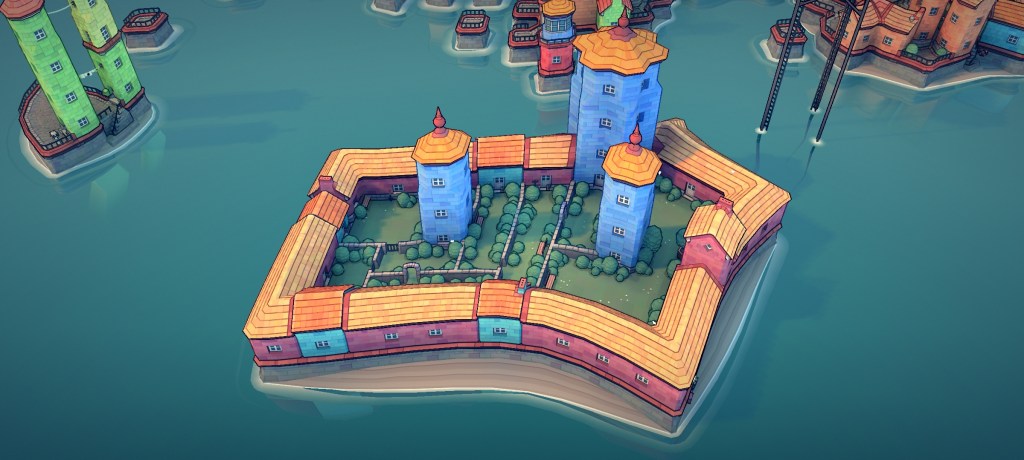
  • You can make grassy areas by surrounding an area with houses and having the middle free, do so with different colour houses and you will get some nice walls and fences within the green area.

Useful Links

Marvel Snap

The Game

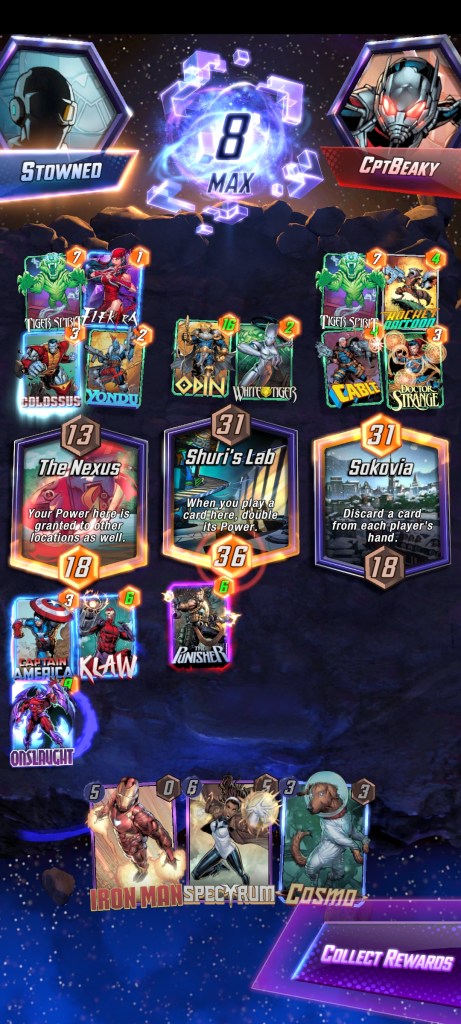
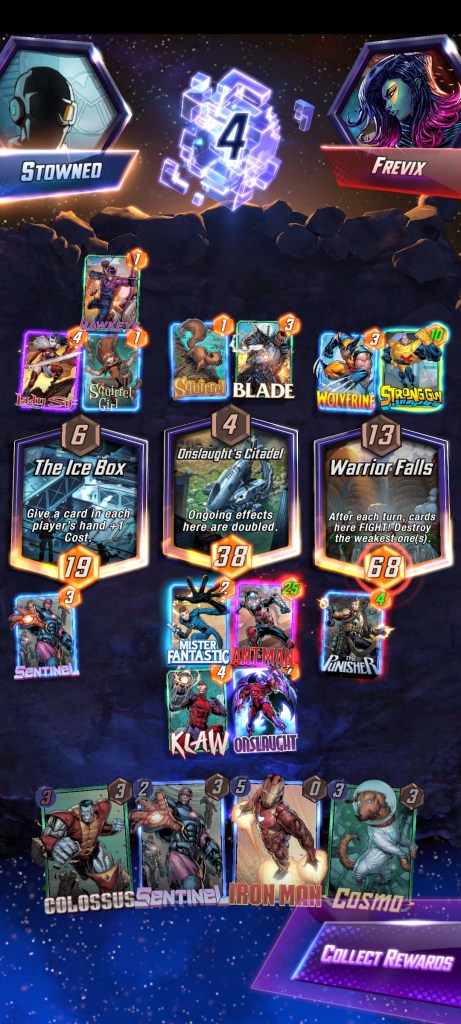
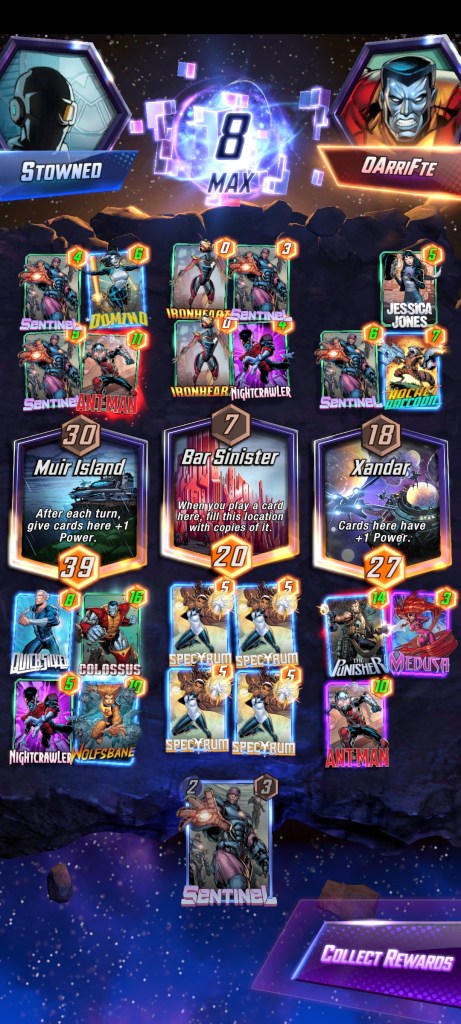
Marvel have joined the world of online multiplayer card games with their entry – Marvel Snap, published by Nuverse. The game is card collection and battling game which lets you collect all your favourite Marvel superheroes and villains and put your skills to the test against other players. The actual battles are quite simple and most importantly for a mobile game – quick to play. Each game has 3 locations at which players put their cards. All 3 locations start out hidden with one revealing each of the first 3 turns. Each location will be randomised and have some sort of modifier that can apply to specific cards, the entire location or even the entire game. Players need to try and win 2 out of 3 locations to win the game where each card’s power contributes to the player’s score at a specific location.

The stakes are then raised even more with the snap mechanic – this allows players to up the amount of rank points they get from each game or to force their opponent to retreat early. Winning a normal game would grant 2 points towards the next rank, if one player has snapped that doubles to 4, if both players have snapped it goes all the way up to 8. The game features daily missions that are drip fed every few hours, all sorts of card variants and the ability to upgrade the appearance of your cards. Upgrading cards is also the way players can progress their collection level allowing them to unlock new and powerful cards.

Worth it?

The game concept and mechanics are brilliantly simple yet effective. The duration of the game is probably it’s strongest point – 6 turns (around 3 minutes) present an excellent challenge and even though you sometimes feel like you could do with a turn or two more, pulling off the perfect combo in 6 turns is highly satisfying. The game is extremely fast paced and can turn in an instant. The Snap mechanic also adds an element of player tactics and mind games. There are a few areas where some improvement could be made like access to stats, new mission frequency, perhaps a 30/30 weekly missions target, ability to add and battle friends or view and compare collections. There is also potential for some more weird and wacky weekly game modes with crazy combos – similar to the tavern brawls in Hearthstone.

Overall it’s a great addition to mobile card games and is a truly mobile game in terms of game length – giving it an edge against competition like Hearthstone, Legends of Runeterra or Gwent. While there’s no explicit pay to win, paying for Season/Battle Pass can help speed up progress towards upgrading and unlocking new cards, although at £8.99 it is fairly difficult to justify. The visual upgrading of cards is a nice reward for using them more frequently and the rainbow variants ensures there’s always something to be upgrading and grinding for. The game’s high production value and addictive gameplay make it ideal for both long grinds or quick time-killing sessions.

Tips

  • Try not to fill a location too early in the game, especially if you have no way of buffing those cards
  • You should be able to create an early Ongoing deck quite quickly to get you through the early ranks
  • Only spend credits on upgrading your cards (getting them through the shop is more expensive)
  • Spend your gold on credits
  • The higher tier the card upgrade the more it will cost and the more points it will give you
  • Theme decks around key mechanics and 1-2 really good synergies, and a couple smaller ones
  • You can sometimes snap on the last turn if you’ve already ended your turn but the opponent hasn’t – particularly useful if you have forgotten to snap
  • You can copy and paste deck codes to share with friends (share button in deck creation)
  • Play with different decks, experiment – don’t feel precious about ranks (unless someone has snapped)
  • The higher your collection level the rarer the cards you will get – Collection Level 486+ is where the Series Five/Ultra Rare cards are found
  • Once you have fully upgraded a card you can infinity split it for a new variant (aka a foil) you can keep splitting your new variants for even rarer foils – check out the guide linked below for more information.

Useful Links

Slime Rancher

The Game

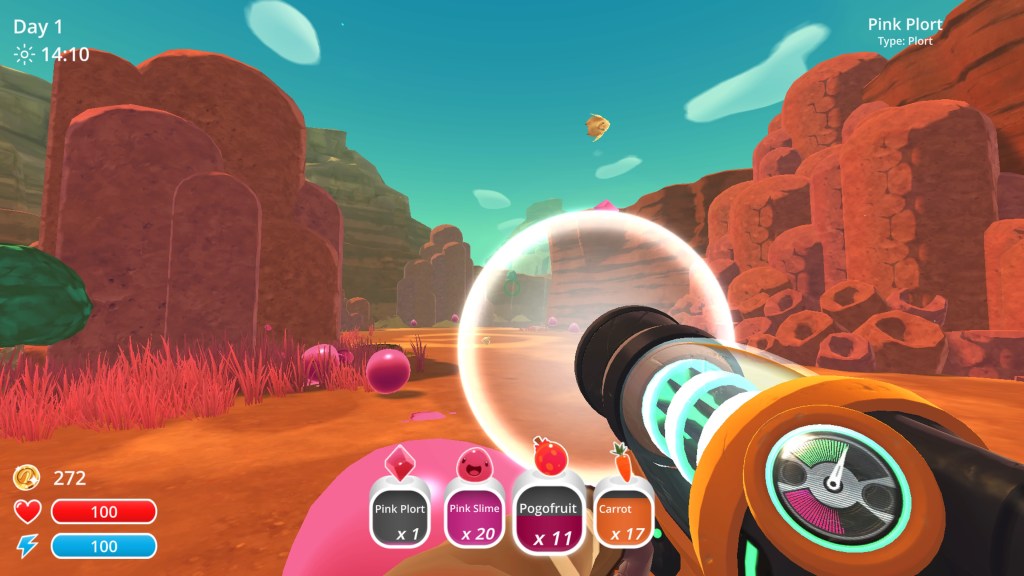
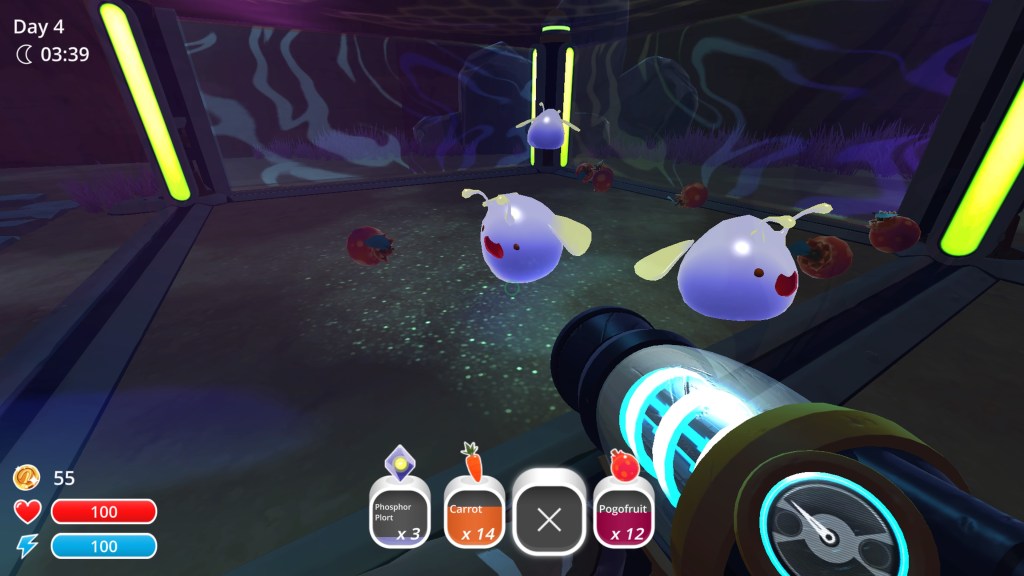
With the recent release of Slime Rancher 2, I went back to the original to see where it all began and what all the hype was about. As the name suggest Slime Rancher (developed by Monomi Park) is a game that revolves around farming and exploiting adorable (but sometimes dangerous) slimes. You explore the open world vacuuming up unsuspecting and rare slimes after which you bring them back to your ranch where they are stored in corrals and fed various foods in order to obtain their most valuable resource – plorts. Each different kind of slime will drop its own kind of plorts, different plorts sell for different prices and those will fluctuate depending on how many you’ve sold recently and the in-game economy.

If a slime eats another slime’s plorts you will get a so called Largo slime – an extra large hybrid slime of the two types (producing 2 types of plorts) these larger slimes are harder to handle as they can’t be sucked up as you can only move one at a time. The danger with these slimes is that if they eat a third type of plort they can become tar slimes – a destructive and dangerous slime that can quickly decimate your ranch and other slimes. As you progress in the open world you will also find Gordos – special extra large slimes that need to be force-fed in order to unlock portals and keys to new areas of the map. New and sometimes dangerous slimes are discovered as you progress as well – some explosive, others radioactive.

Worth it?

Generally speaking the game will set you back around £10 to £15, although with Slime Rancher 2 being released recently I would expect this to drop soon (the game is available for free as part of the PS Plus Extra tier too). Overall the game takes around 14 hours to complete depending on what you focus on, if you’re not out there overfeeding gordos and unlocking new areas it will take you a lot longer (but then again there’s so much to do on the ranch that I don’t blame you). The game is very good at keeping you busy constantly – the “one more day” moment is definitely there and can easily absorb you for extended periods of time. The game concept is simple but very effective and there are plenty of things to unlock and do – from timed challenges to crafting and research. The open world presents a bit of a traversal challenge and sometimes can feel as if you’re trying to break it with some of the areas you can jetpack to, the ability to unlock portals and quicker routes is also helpful as navigating the fairly big open world can get a bit tedious, especially if you have to go anywhere near water with an inventory full of goodies as falling in water will cause them to all be lost.

The game is a fun and generally relaxing experience, exploring and discovering new areas can seem scary but is also actually quite chill as even the more dangerous slimes can be vacced up quite easily or you can always run from them. Even if the farming element gets a bit repetitive, the open world and lore take you on quite the adventure. If you’re after a chill farming type game with some really cute slimes then it’s definitely worth checking out.

Tips

  • Unlock the jetpack early
  • Feed a slime its favourite food for a double plort yield
  • Feed a gordo its favourite food and you only have to feed it half the amount of food
  • Tars spread faster at night
  • Complete daily quests for cash and special rewards
  • Get the water tank upgrade early and always keep it full – water instantly kills tar slimes
  • Phosphorous slimes only appear at night and will die if exposed to sunlight
  • Farming largos allows you to get 2 types of plort from one corral
  • Store and sell plorts when their price is high (when you sell a large amount the price will then drop for some considerable time)
  • Get a farm going early on
  • Getting high walls or a net on your corral can help prevent slimes from escaping (they will try to escape if there’s food nearby)
  • Do not give a largo a third type of plort or it will become a tar
  • You can unlock new areas to expand in by unlocking the overgrowth or the grotto (you can take care of phosphorus slimes in there without a solar shield
  • Completing quests for other ranchers on their ranch can eventually unlock even more area to expand to and other special prizes

Useful Links

Empire of Sin

The Game

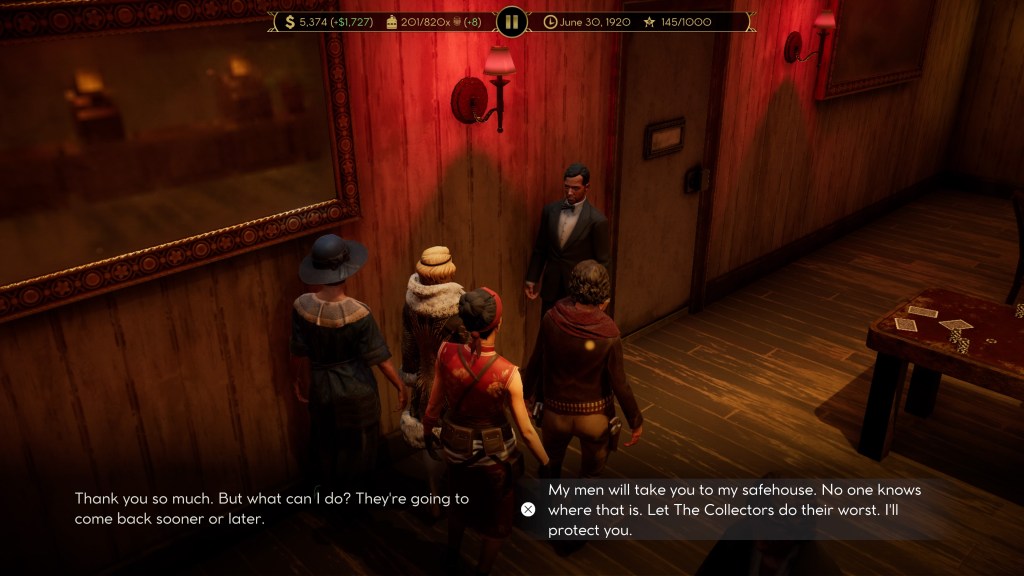
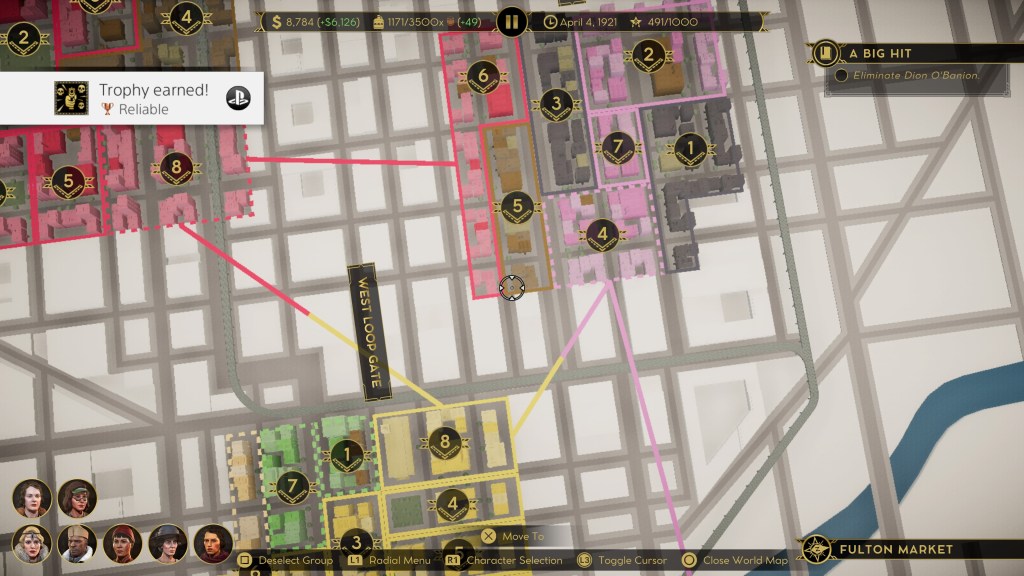
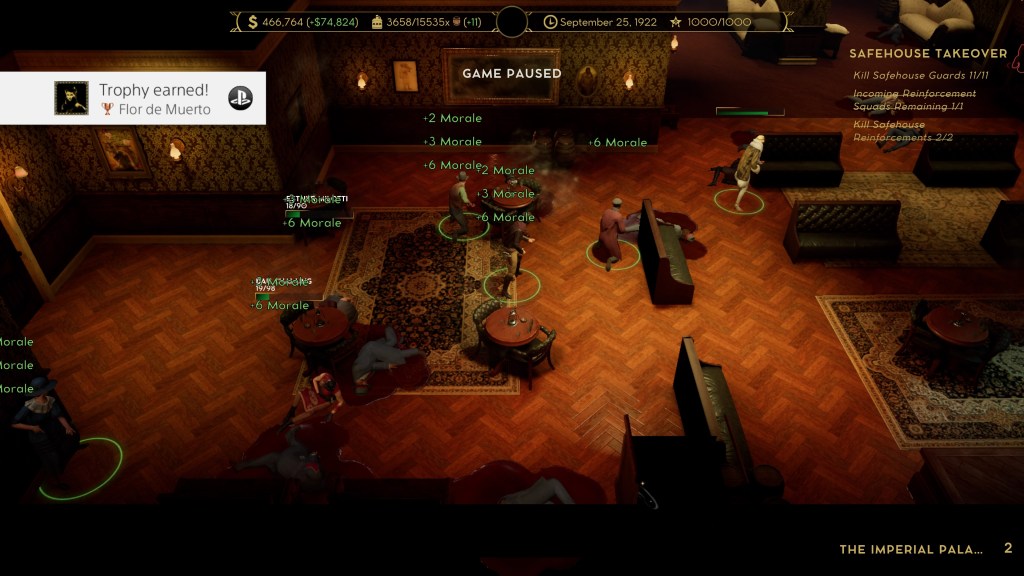
Empire of Sin, published by Paradox Gaming is a strategy simulation game with turn based combat. You play as a 1920s gangster during the period of prohibition, competing with other gangsters for control over Chicago and running your various rackets. Rackets range from speakeasies to casinos and brothels and a few extra special buildings. The key resource that you need to ensure you have a steady production rate of is alcohol. You upgrade your breweries and the quality of alcohol to ensure a steady flow and good profits. As the game progresses and you get into the politics of it you can begin to make trade agreements, pacts or go to war with other mob bosses. You hire a team of various gangsters and when you engage in combat it plays out like a turn based XCOM-style battle.

The game allows you to build a badass crew of gangsters from a big roster of unique characters from a variety of classes and in a variety of tiers (differing in price and abilities). Each of the gangsters will have relations to others or can even develop them while you’re in a crew – for example they may fall in love with each other or if you kill one of their friends in a different crew they may refuse to work for you for a while. As you progress in the game your gangsters will unlock new skills, you will find new weapons to equip them with and their loyalty to you will improve.

Ultimately your aim is to take over Chicago by either killing all other major factions or finding ways to buy them out and establish control over all neighbourhoods.

Worth it?

Overall the game will set you back around £15 (or around £5 on sale) and while the theme and characters are quite cool, the game falls a bit short in terms of delivering on player experience. The combat gets repetitive extremely quickly, there’s little variety in the environments you fight in. The game makes you grind other mobster’s rackets and districts, slowly building up your empire but after a certain while you are just spamming upgrades on your rackets and fighting the same fight in the streets and enemy rackets. There are also various known bugs in the game which tarnish the experience even more.

Winning the game feels like an incredibly long grind, it would be nice to see more variety in environments and a bit more diversity in enemies and scenarios. The characters, their dynamics and their personalities are an interesting element of the game and could be built upon. There is DLC which adds an extra racket and new playable gangsters and weapons, but for £10+ it’s a considerable additional cost. Overall the concept, characters, art and theme are good but the repetitive gameplay and a buggy experience, I wouldn’t pay more than £5 and the game offers little replay value (it is free on PS Plus Extra at least).

Tips

  • Use taxis to travel around the map
  • Don’t rush into hiring too many gangsters, but at the same time their cost remains at the level it is when you first hire them (or goes down) so hiring higher tier gangsters early is better
  • Don’t overextend – secure and upgrade neighbourhoods before adding more
  • Focus on thug-run neighbourhoods – they are easy to take over and won’t affect standings with other mobsters
  • If you kill a gang-leader their districts will all become thug owned, initially with 0 rackets – if you take over the thug depos you will get the district clean with all rackets immediately purchasable
  • Remember to check the black market trader every so often
  • Make sure your gangsters have health items equipped
  • When on the streets try to ambush enemy guards to get an advantage
  • Focus on your character’s bonuses and types of rackets that they scale from
  • Try not to anger the police – don’t kill officers and don’t be afraid to bribe them

Useful Links

Graveyard Keeper

The Game

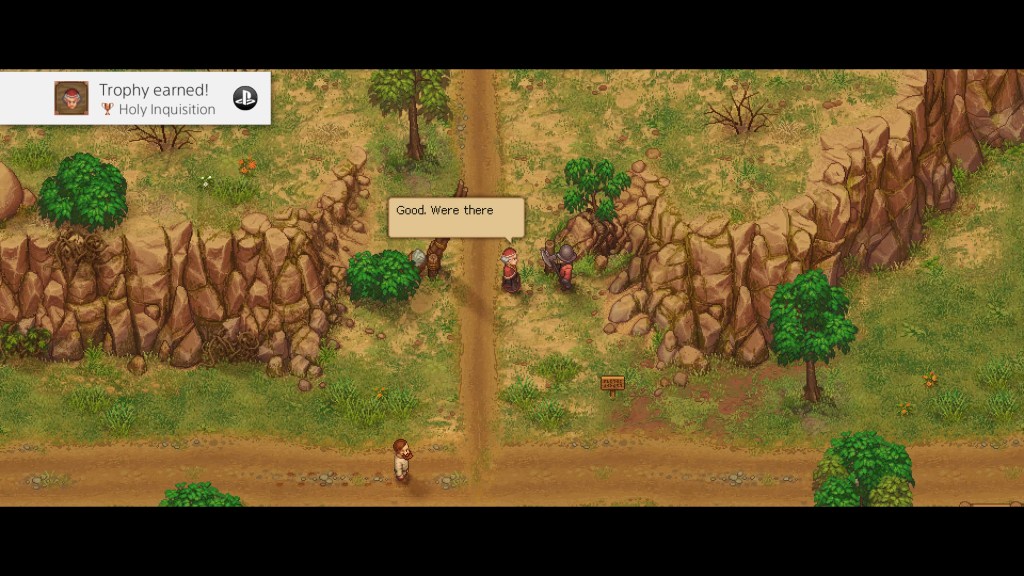
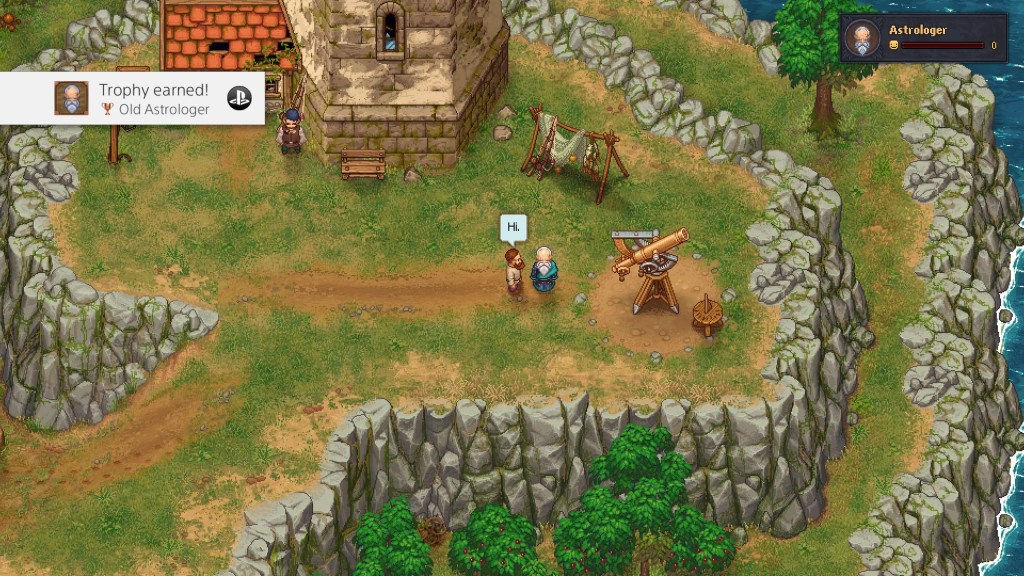
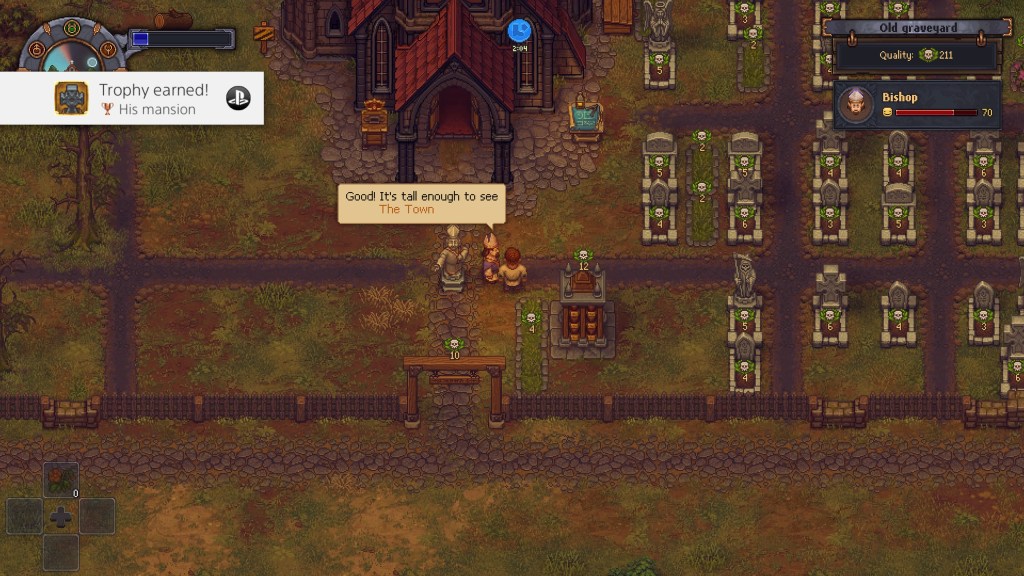
Graveyard Keeper developed by Lazy Bear Games and published by tinyBuild is an indie game that revolves around managing a graveyard (much like the title suggests). The game is comparable to Stardew Valley in many ways: the aesthetic, the fun characters, the crafting, combat to name few. Graveyard Keeper starts you off in a world you are unfamiliar with (you’ve come from present day) , it seems you are stuck in some sort of medieval fantasy world and you need to figure out how to return home to the present day. As it turns out you are the new keeper of the village’s local graveyard, after the previous one mysteriously disappeared. You are introduced to various characters in and around the village and their weekly schedules and quests (the game has 6 days with various events or NPC appearances being tied to each one).

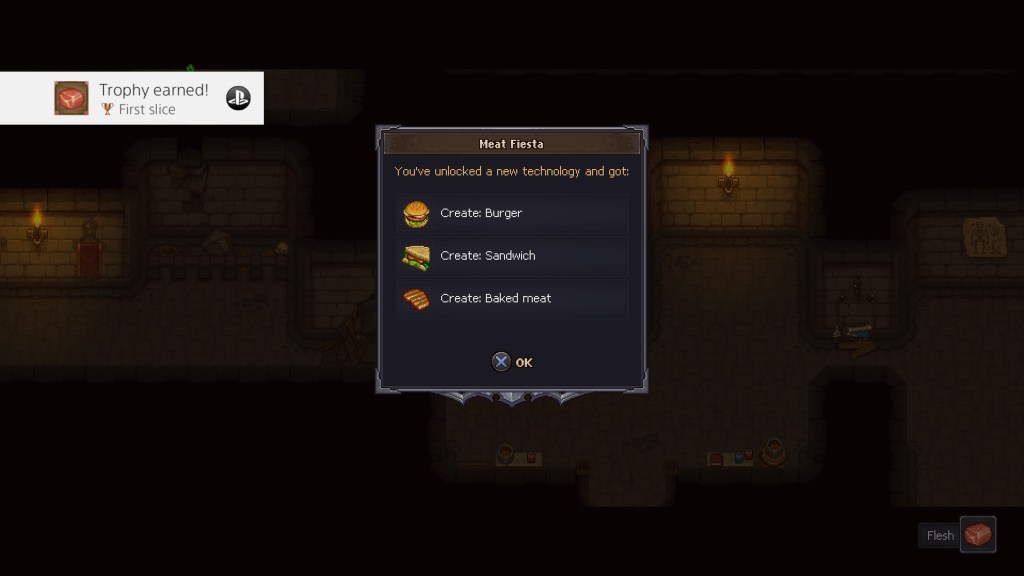
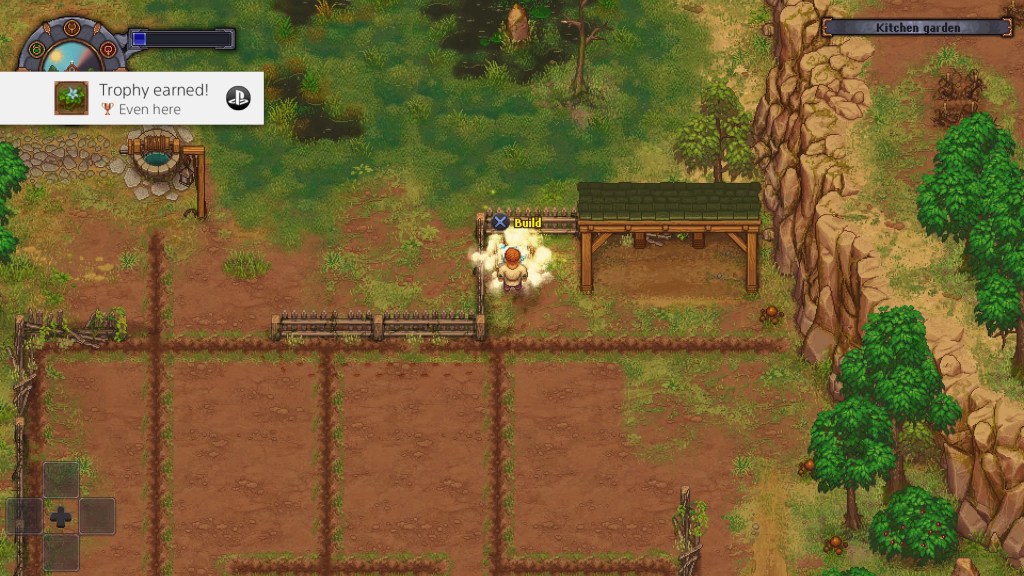
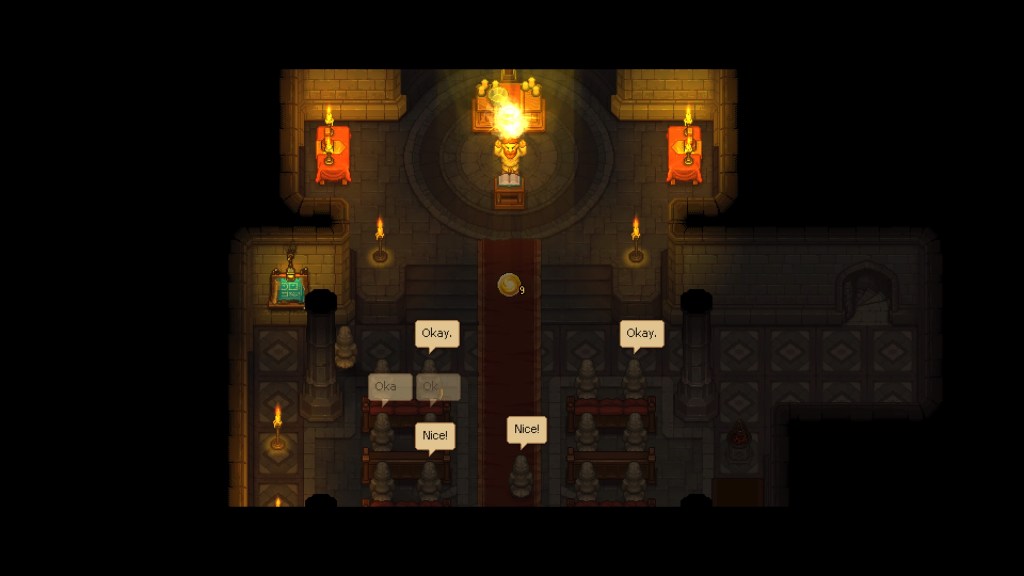
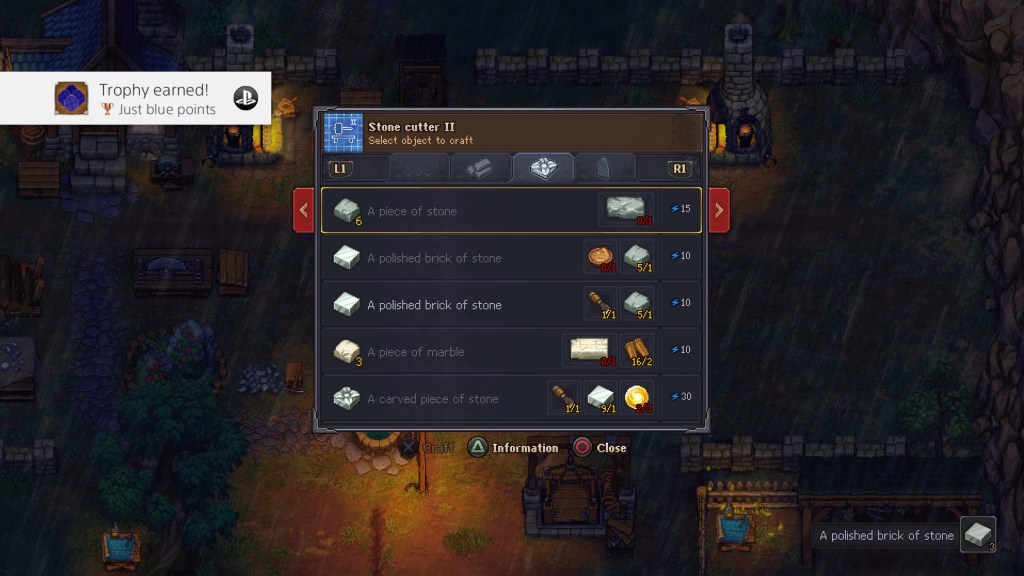
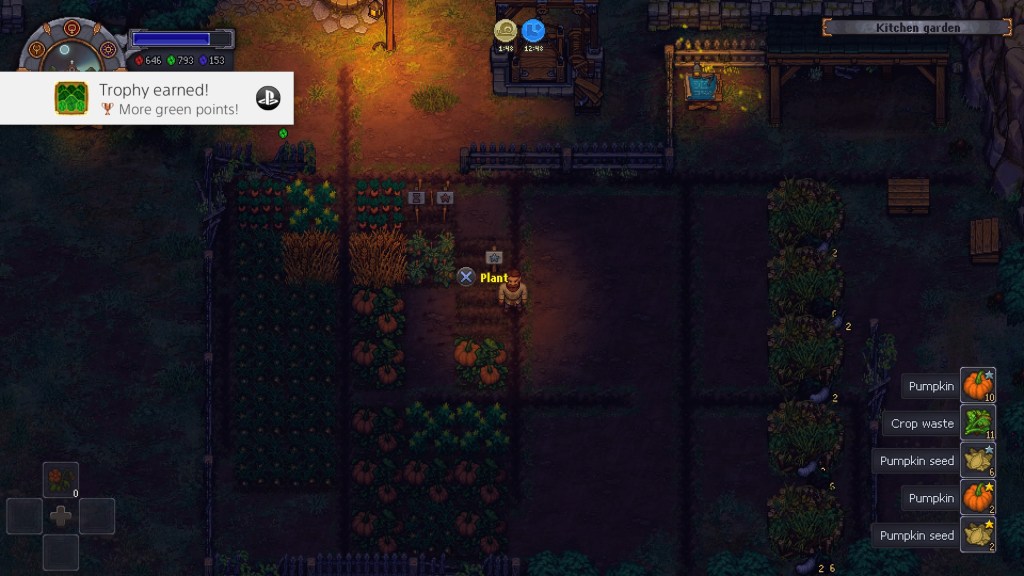
Over time you develop and fix up the old graveyard and your house, you unlock farming, beekeeping, wine and beer making. As the graveyard gets nicer and filled with better “quality” people you will unlock the church which is where the game really takes off. You will be tasked with doing a weekly prayer, this will help you generate faith which leads to the most powerful unlocks in the game. Doing tasks and work generates points – there are three types of points – red (generated by wood/stone/metal work), green (generated by doing farming work) and blue (generated by researching things and high level item crafting). These 3 types of experience points are used to unlock things in the research trees, and there is quite a good amount of things to be unlocked.

Worth it?

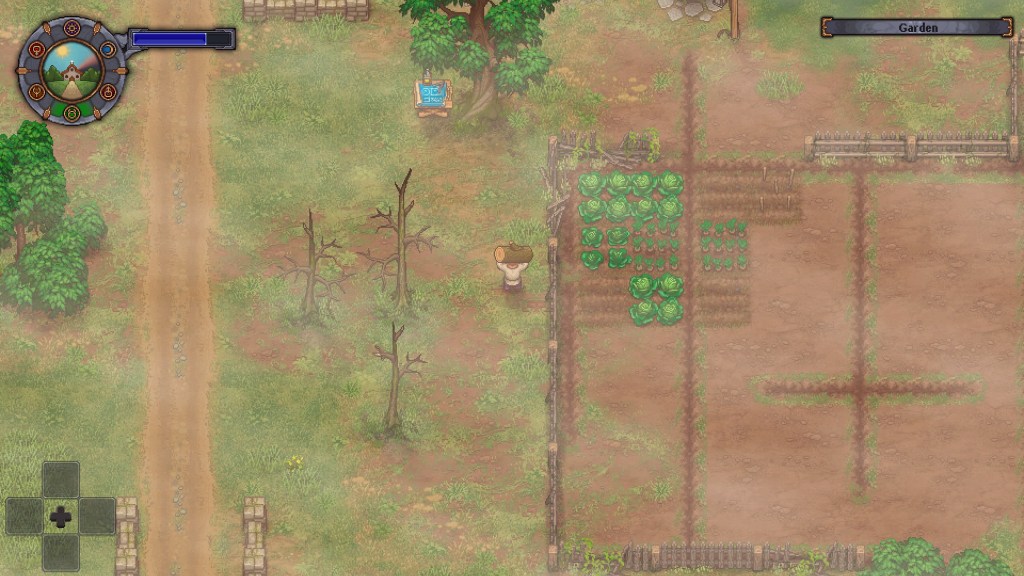
The game is incredibly addictive. It has that typical element of “just one more day” or “just one more task” that keeps you on it for crazy amounts of time. What makes the game even more clever is the way the days work – often times quests will require you to do something that’s basically 5 days away, meaning that you have to wait almost an entire week to complete a phase in a quest (during that time you’re obviously doing other quests or tasks). This has the effect of keeping you super busy all the time, following NPCs schedules and working around having a corpse delivered to you every so often as well. The game’s aesthetic is well delivered and can be very eerie at times (especially when the fog roles in). It’s perfectly matched by the sound design of the game and some of the rather dark and funny humour.

Graveyard Keeper will generally set you back around £10, which at first may seem like quite a lot, but the game really offers quite a lot, it’s also cheaper than competitor Stardew Valley. If you can grab it while it’s on sale for around £5, then you’ve got yourself a steal; it’s worth noting the game is also free with PS Plus Extra. While the game’s ending leaves a lot of questions unanswered and there are 3 DLCs that attempt to answer those, each of the DLCs will set you back around £7-8 and add a variety of new stories and gameplay mechanics (like being able to make zombies to automate tasks). The game is highly addictive and will keep you hooked for a considerable amount of time – overall the story can take around 40 hours to complete, but that could easily stretch towards 50-60 depending on what you end up doing.

Tips

  • Get the teleport stone from the Dark Horse tavern as soon as you can afford it – it makes moving around the map so much easier
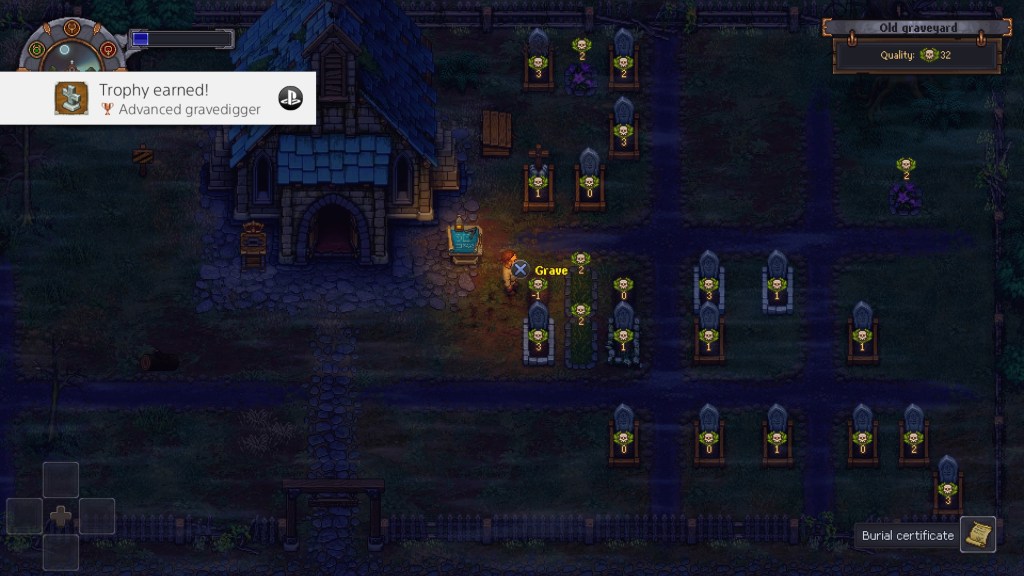
  • Try to only put high quality corpses in your graveyard, red skulls reduce the appeal of a grave
  • Focus on opening the church in the early game so you can unlock the weekly prayers – these will generate faith for you and unlock the church basement where you can do alchemy and craft new types of items
  • Meet Clotho to unlock the alchemy workbench and skill tree
  • For a perfect 12 skull corpse you will need to have unlocked and use the various embalming injections
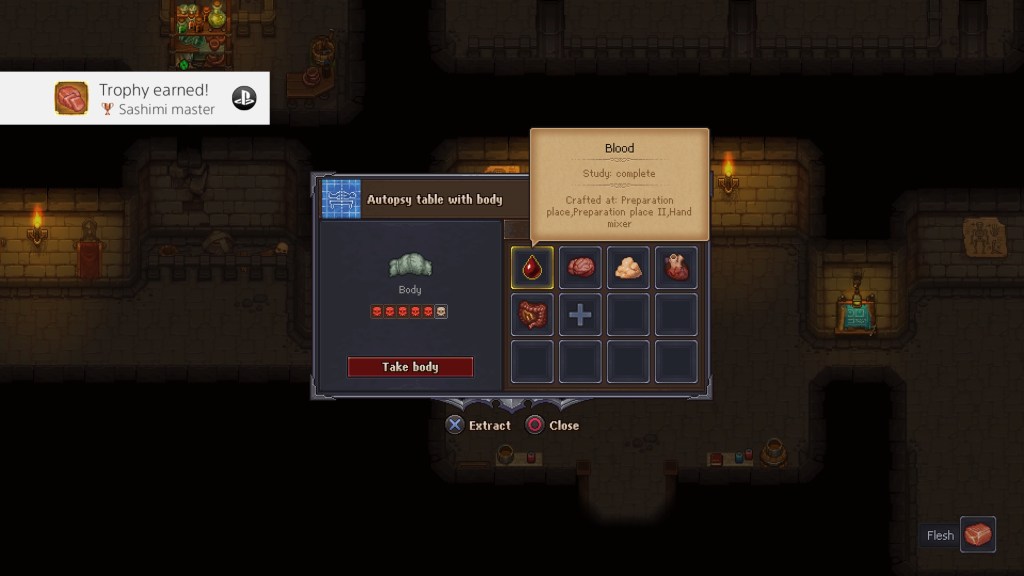
  • Blood and fat always remove 1 red skull, organs will account for a random amount of red/white skulls in each body, flesh will always remove 1 white skull
  • The Quarry lets you set up a little base where you can mine iron, stone and marble for extended periods of time – just make sure you have enough materials to build the workstation and storage there
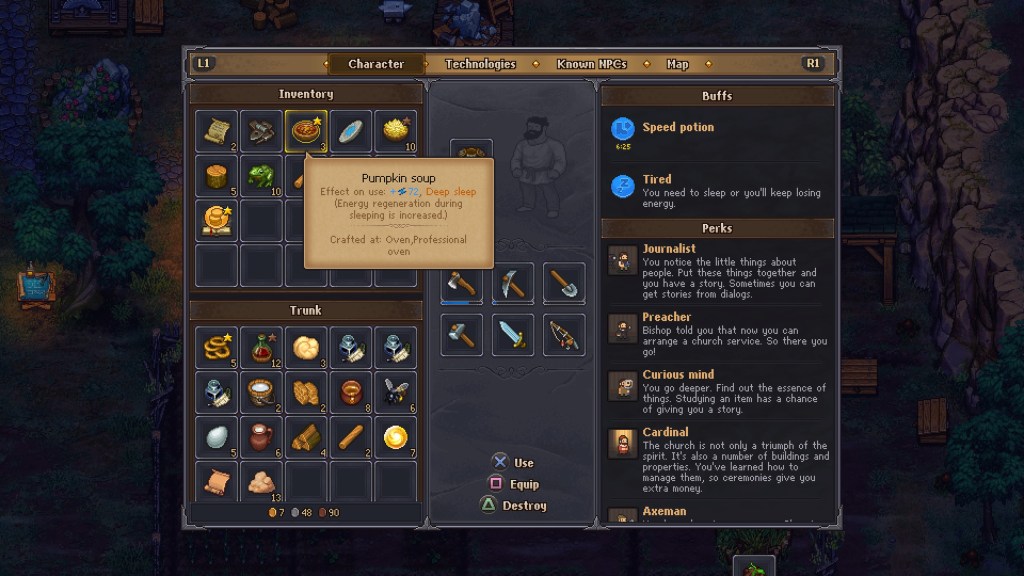
  • Save blood – there’s a late game quest (and speed potions) where you will need quite a lot of it
  • The dungeons save your progress – so if you’ve killed half the mobs on a floor and exit it, that will be saved when you return
  • Throwing bodies into the river is ok, but if you have a poor quality body you’re better off burning it as you still get the burial certificate
  • Once you unlock alchemy and the tier 2 bench get speed potions – but only take them after you’ve had a sauerkraut (as it increases the duration of buffs)
  • Gravestones and fences generate a lot of blue points when being researched
  • You can purchase books containing a specific number of red/green/blue points from the astrologer

Useful Links

Marvel’s Guardians of the Galaxy

The Game

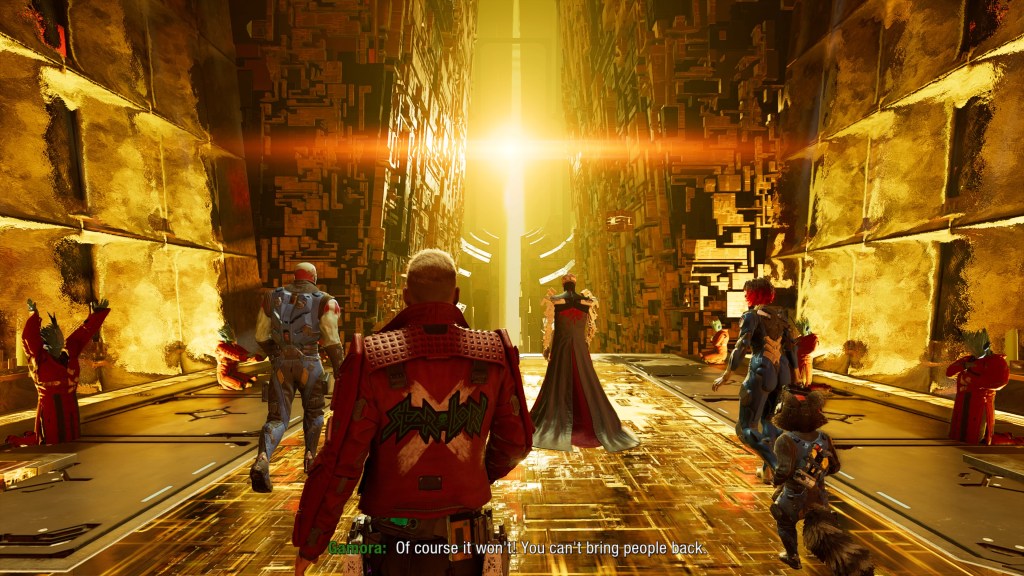
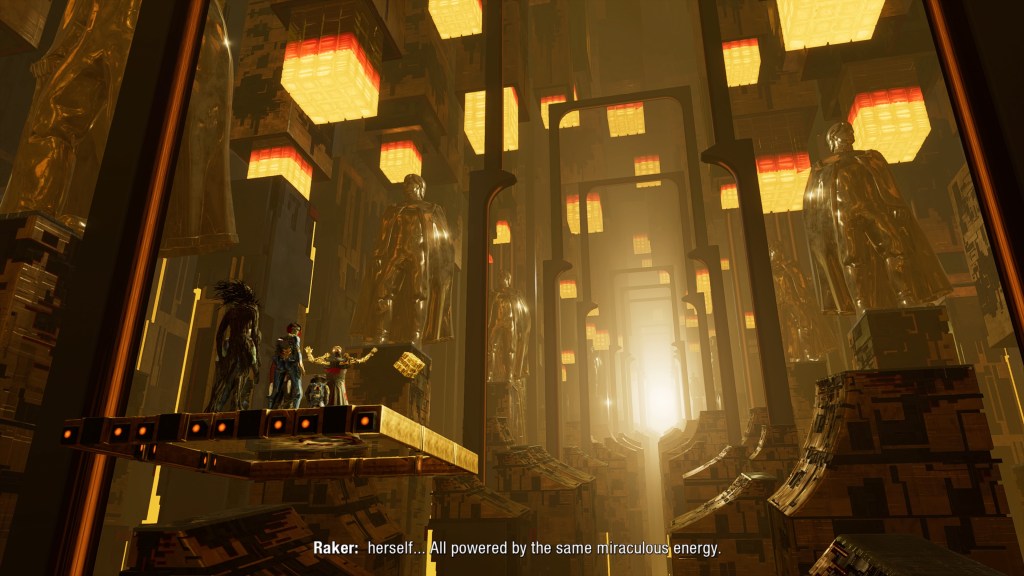
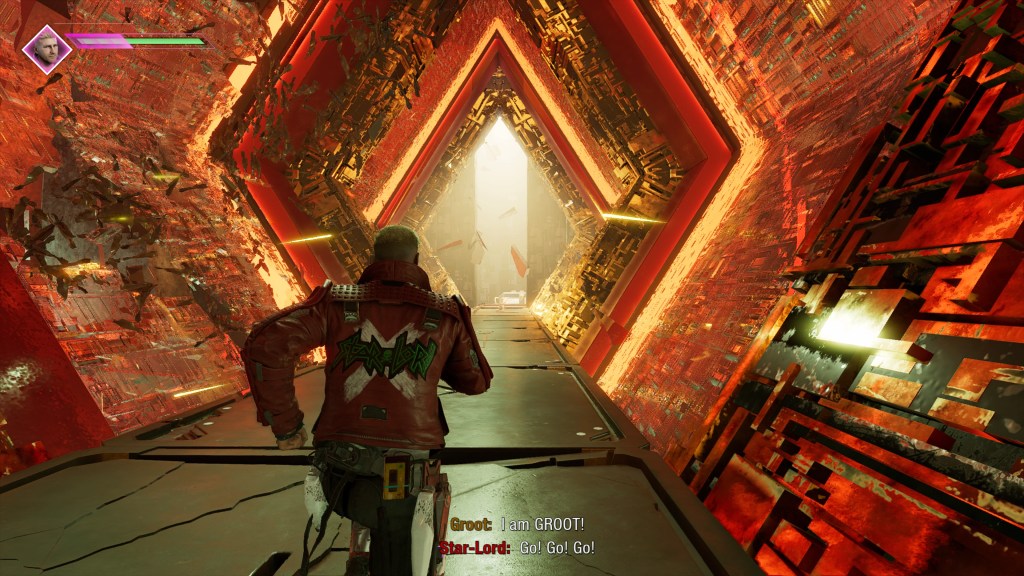
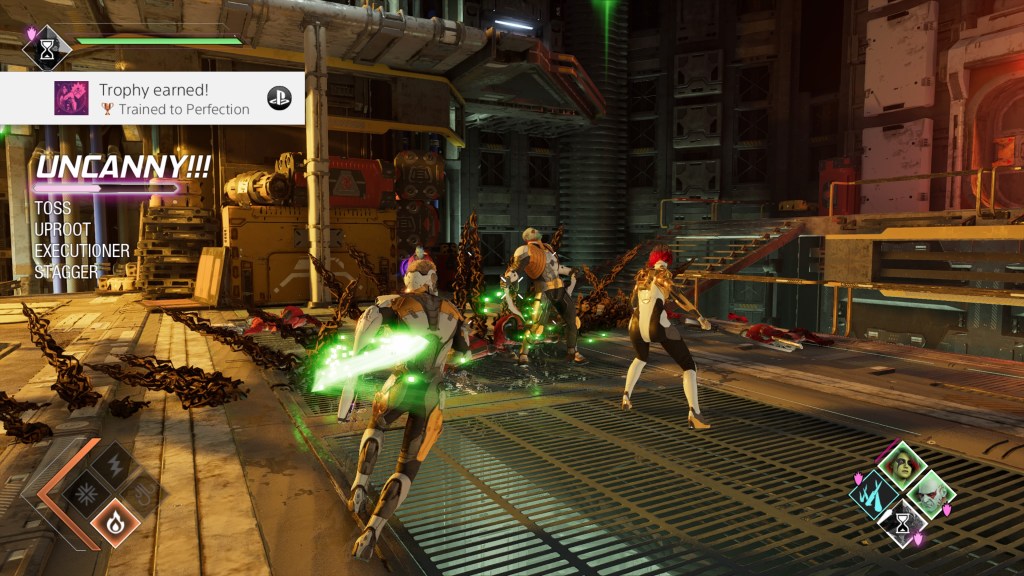
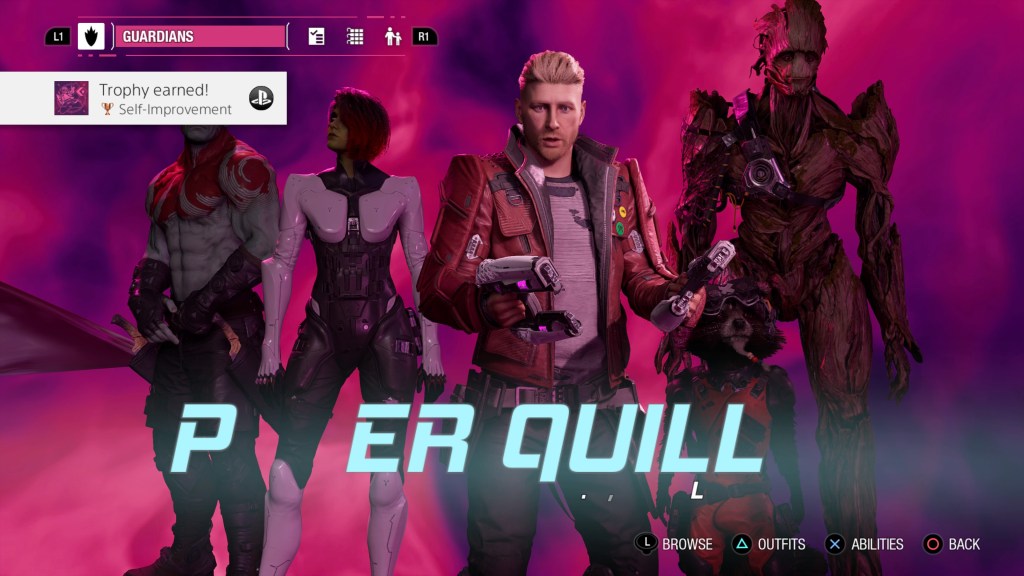
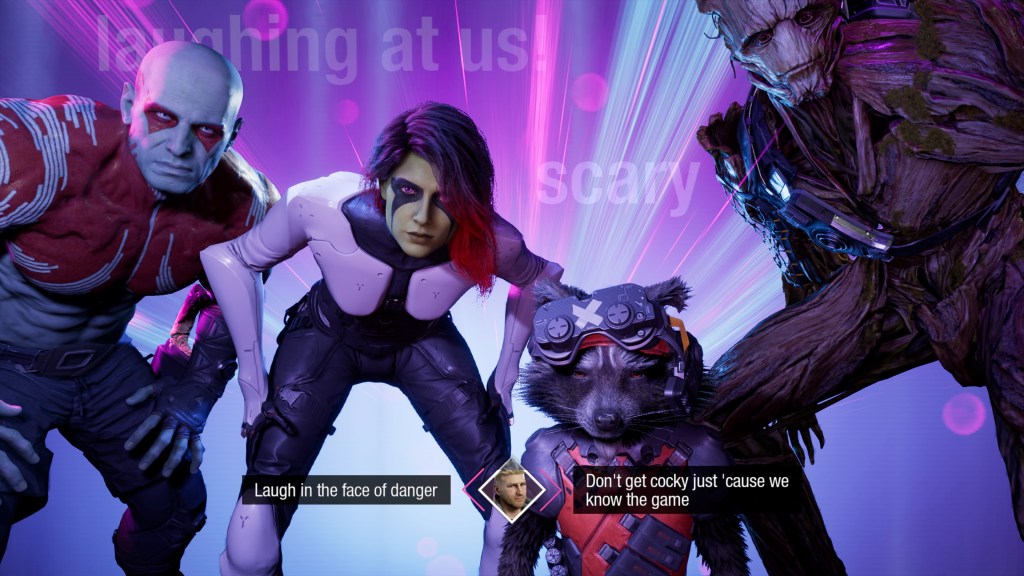
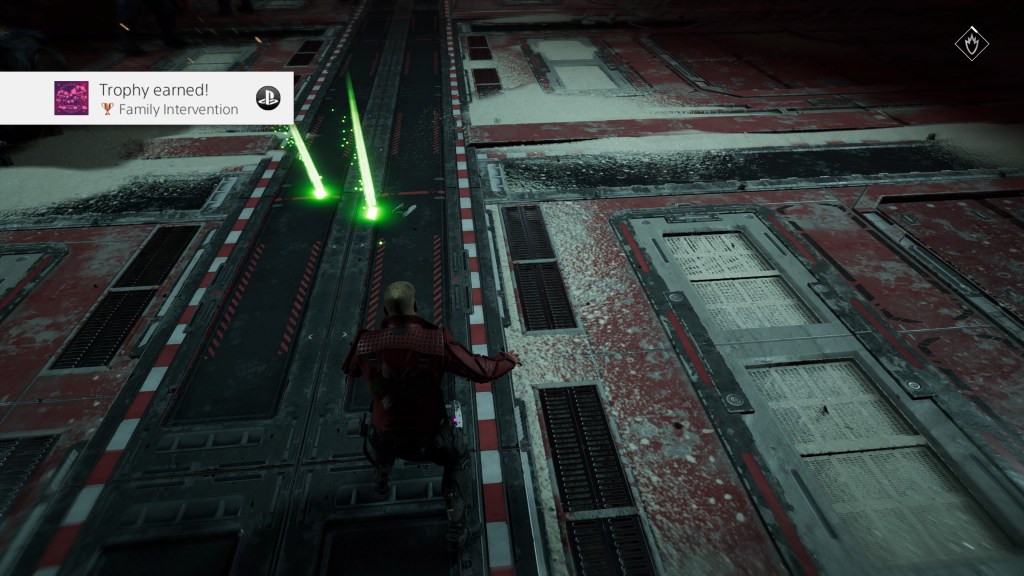
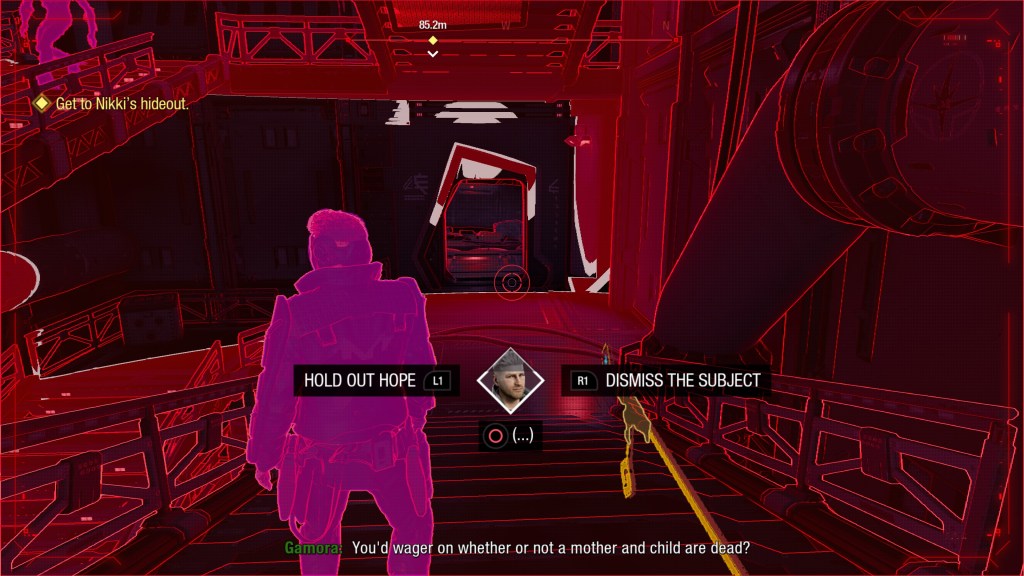
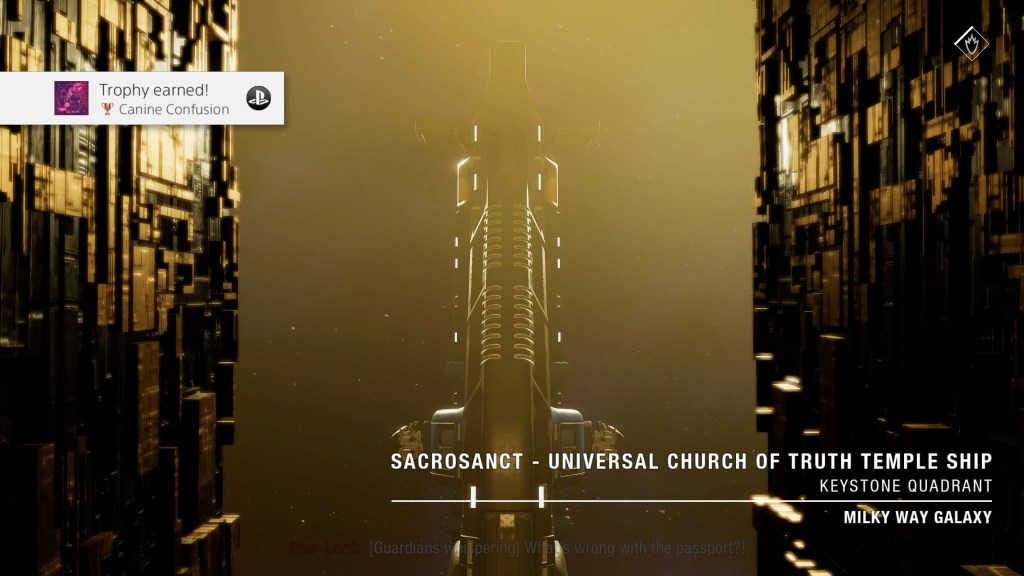
Marvels’ Guardians of the Galaxy is an 3rd person action game developed by Eidos-Montréal with some interesting combat and puzzle mechanics. Fight as the 5 guardians and utilise their unique abilities to progress the story and fight off your enemies. The game sees the iconic Peter Quill, Drax, Gamora, Rocket and everyone’s favourite Groot appear in a story based just after Thanos’ end and storyline. The Guardians quickly end up triggering an unfortunate series of events that sees them let loose an ominous world destroying energy upon the galaxy. They quickly get themselves into even more trouble with the Nova Corps. As the team embarks on the adventure Rocket and Peter end up in a bit of a quarrel. As the team manages its dynamics and learns to work together effectively they also work their way around the galaxy making new friends and enemies. Characters such as Lady Hellbender, Mantis, Adam Warlock and Cosmo the Spacedog make an appearance to help the Guardians on their way.

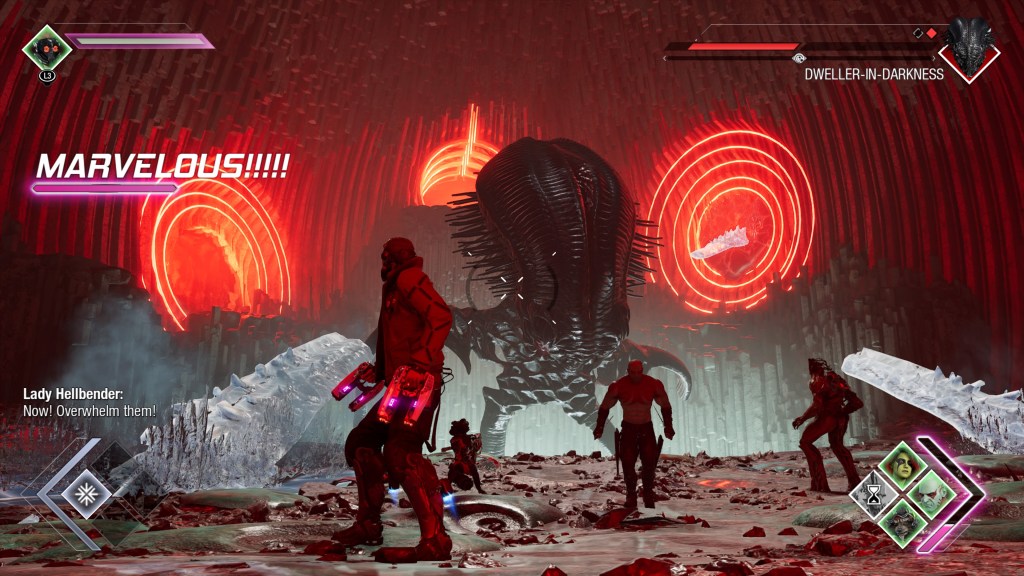
Each character has 4 unique abilities that can be unlocked and used in combat. They will also have various skills that can be used outside of combat in order to traverse the world. This makes for quite an interesting gameplay experience. Different skills will synergise differently, making for some very exciting combinations and combat mechanics. Overall the combat is quite fun, Peter makes use of various elements that different enemies are weak to. The others make use of AoE or CC moves or alternatively focussed heavy hitting moves. The boss battles prompt some thinking and interesting combinations of characters, overall it’s not difficult, but reasonably challenging – making it quite fun.

Worth it?

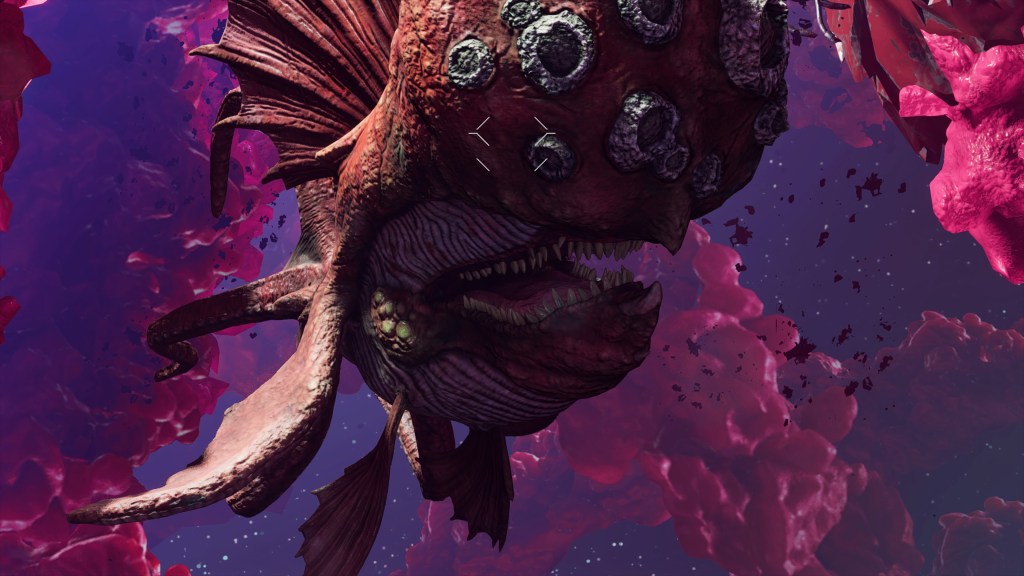
The game will take you around 17 hours to complete, currently the game will set you back around £20-25 on most gaming sites, up to £60 on the PlayStation store (or free if you have PS Plus Extra). The game is a great addition to the Guardians of the Galaxy franchise keeping the good humour, great music and awesome characters. The environments, worlds and monsters are all beautifully modelled. The rather basic combat is made much more engaging with the different character abilities and the different elements that Peter unlocks throughout the story. There are times where the signposting could be a bit better and it’s possible to get a little confused or stuck (especially the Creepy caverns), but as long as you keep a look out for interactive objects and listen to the dialogue or prompts from your teammates you should be ok.

While the game is very linear the choices offer some small variations in how exactly the story pans out – most often offering shortcuts and quicker ways out of certain situations or some alternative dialogue. Overall the game lasts around 25-30 hours, it doesn’t really offer great replay value other than for completionism, it does offer a new game plus mode for an extra challenge, but realistically you will likely only play it through once. The game is definitely worth playing, especially if you can pick it up on sale (avoid paying £60.00) or free from PS Plus and even more so if you’re a fan of the franchise.

Tips

  • Unlock the visor ability to see /show spare parts as early as possible
  • Keep a look out and destroy the dark material whenever you see it
  • Decisions don’t really impact the overall game, but can sometimes make it a bit quicker to get through a certain area, depending on the choice you make. Overall however the game is quite linear.
  • Make use of elemental weaknesses – you will tear through enemies a lot easier if you hit them with the right element from your guns
  • Look around and behind you when you start/enter an area for spare parts or unlockable skins
  • Unlock the ability to scan enemies in combat – it will tell you what the best approach to taking them down is and of any weaknesses
  • Look out for things you can use in combat that are triggered by your team mates
  • Try to fill stagger meters for easier kills

Useful Links

Maneater

The Game

Maneater is the spiritual successor to Hungry Shark that we’ve always wanted. Developed by Tripwire interactive, the game lets you take control of a mutant shark and wreak havoc on the local wildlife and humans in a satirical version of Florida where the waters are rife with toxic waste and pollution. The game is narrated by comedian by Chris Parnell, which makes for some fairly comic moments.

You start out the game as a full grown shark on the hunt for some human flesh and quickly encounter your arch nemesis – Scaly Pete. A rather absurd character Scaly Pete is a professional shark hunter who you engage in battle with and sadly defeats you, only to find a baby shark inside your stomach, which manages to eat his arm and escape. This is when you really begin your adventure as this newly born baby shark. You quickly learn how to eat and survive in the harsh environments around you. You can upgrade your shark and it’s abilities in mysterious caverns marked by fairly lights.

As you progress through the regions you take on bigger and bigger wildlife and you can also eat your way up the list of Shark Hunters in order to unlock other special upgrades. You quickly begin to realise that this is no ordinary shark and that you are actually creating somewhat of a monster.

Worth it?

Overall gets repetitive towards the end, but still quite satisfying to play. The game is very easy to complete and if you’re playing on PlayStation, it’s one of the easiest Platinum Trophies you can get. There are various CD Keys where you can get the game for around £5 or up to £20. It’s free with PS Plus Extra. It’s hard to justify more than £10 for this game, especially without the CD as it’s quite basic and quite repetitive, it’s also extremely easy to complete. However when it comes to senseless violence and being a fun sandbox game, Maneater really excels. Simple concept, crazy upgrades and Chris Parnell’s narration make this a very amusing game that will keep you busy for around 8-12 hours depending on whether your 100% it. The Truth Quest DLC only adds an extra hour or so of gameplay.

Tips

  • You can explore all landmarks in the first areas quite easily – do this to gain access to the Shadow upgrades
  • There’s a sewer pipe with a grate (Teen) connecting Fawtick Bayou to Dead Horse Lake – I had issues finding a way out of the first zone as I just kept missing this
  • The bone build is best for taking on boats
  • Don’t be afraid to mix and match various body parts – the shadow jaws, electric fins and bone for the rest make a nice versatile build
  • For the final battle with Scaly Pete use the electric fins to dodge and disable his torpedoes – this makes them very easy to pick up and tail whip right back at his ship
  • You can always hide in a grotto, no one will try to get you there
  • When taking on tougher enemies try to avoid their attacks and study their moves to find an opening during which you can attack them
  • Once you’re an adult you can grab and fling stuff with your tail whip – a carefully aimed such shot can open gates or be used to hit targets/prey

Useful Links