The Game
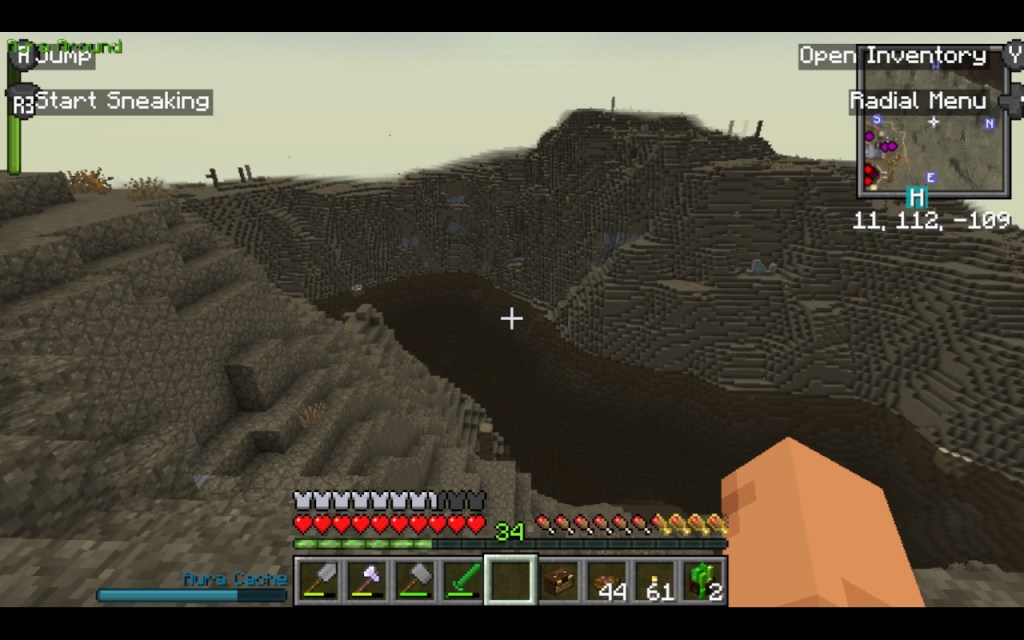
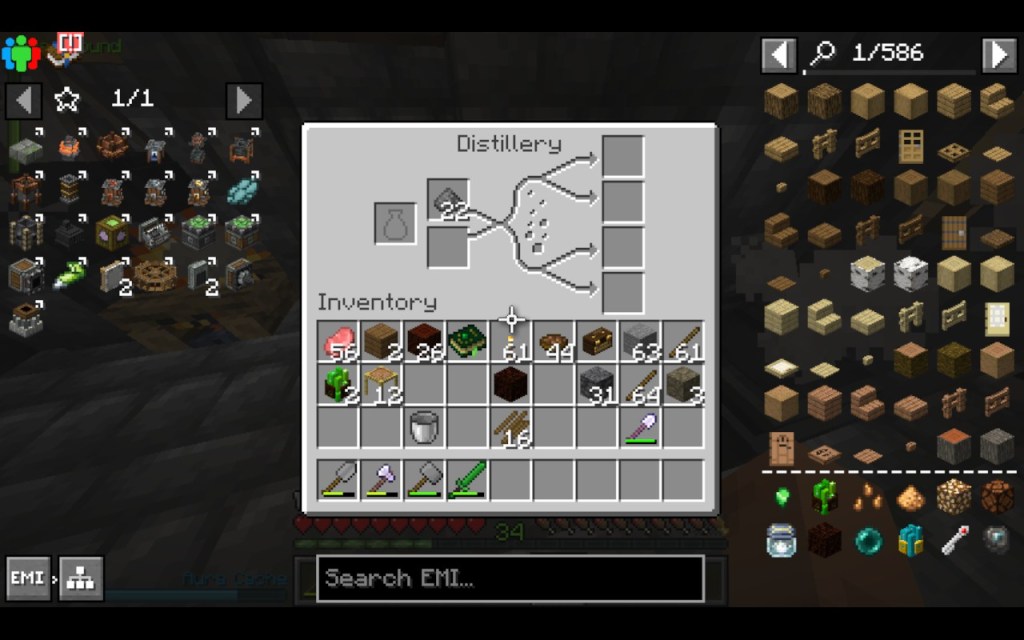
This modpack is a major overhaul of the Minecraft you’re used to seeing. You spawn in a desolate world, there are no more trees, no grass, no ores. The only things remaining are dead trees, ruins which hold some copper blocks and wasteland bees. From this bare minimum you will have to rebuild and rewild the world – no small task. There are also less hostile mobs coming out at night than before – husks, skeletons, cave spiders, creepers and endermen, you’ll have to bring animals back too.
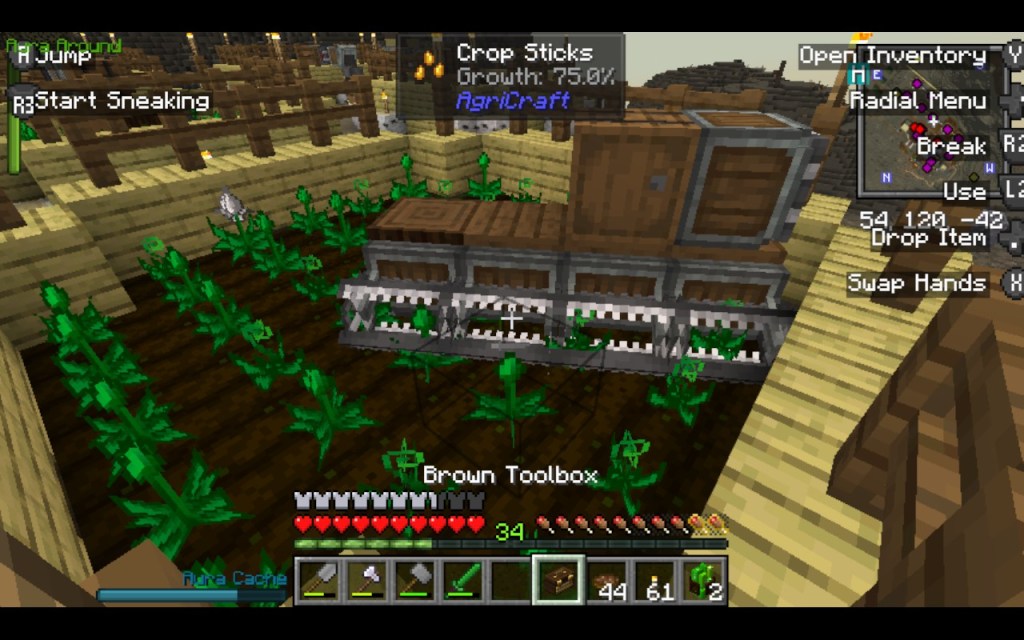
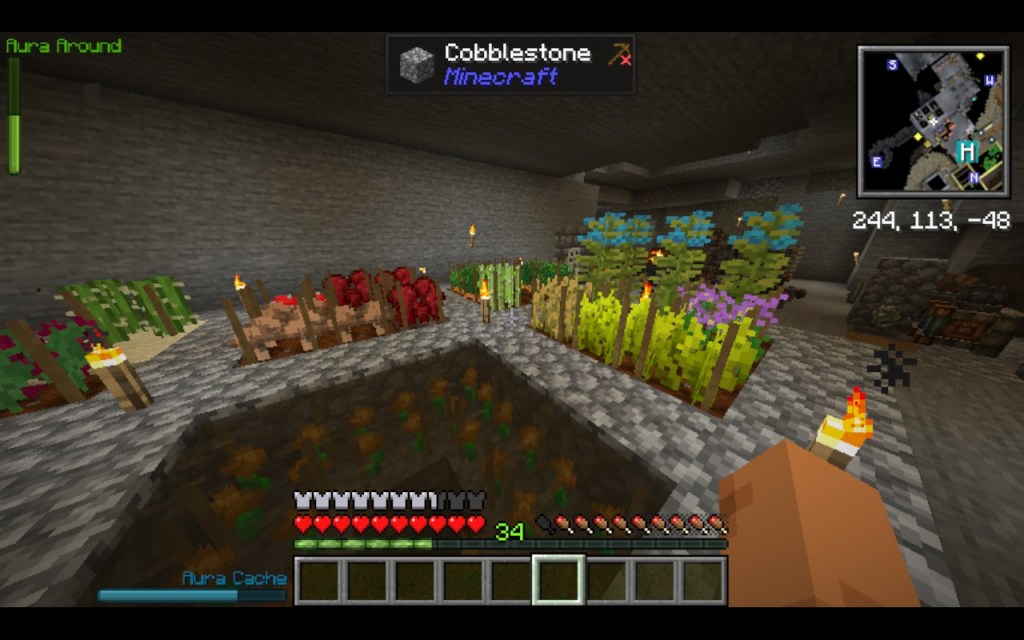
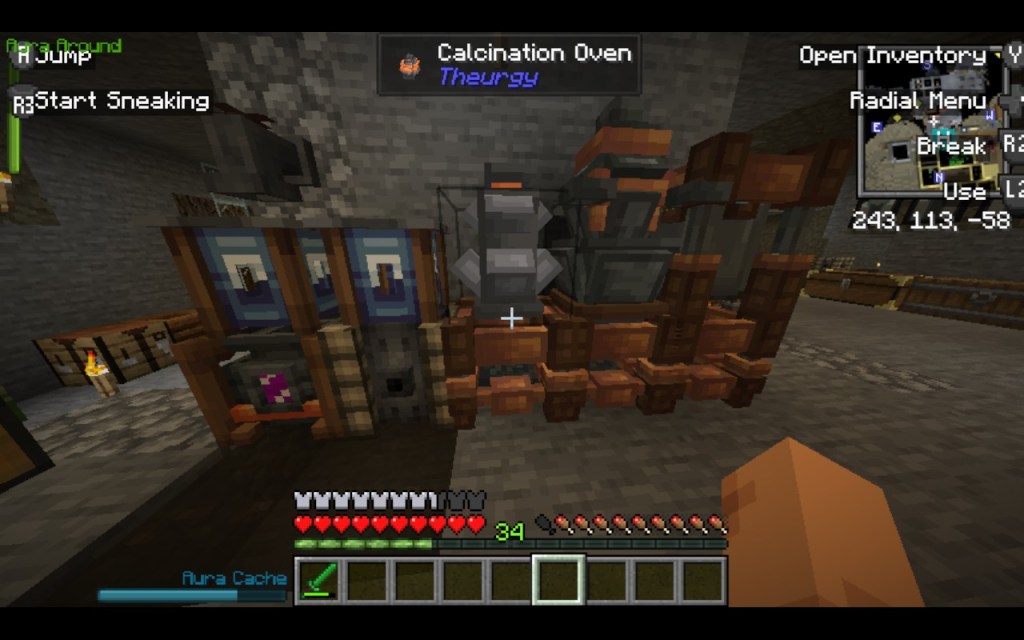
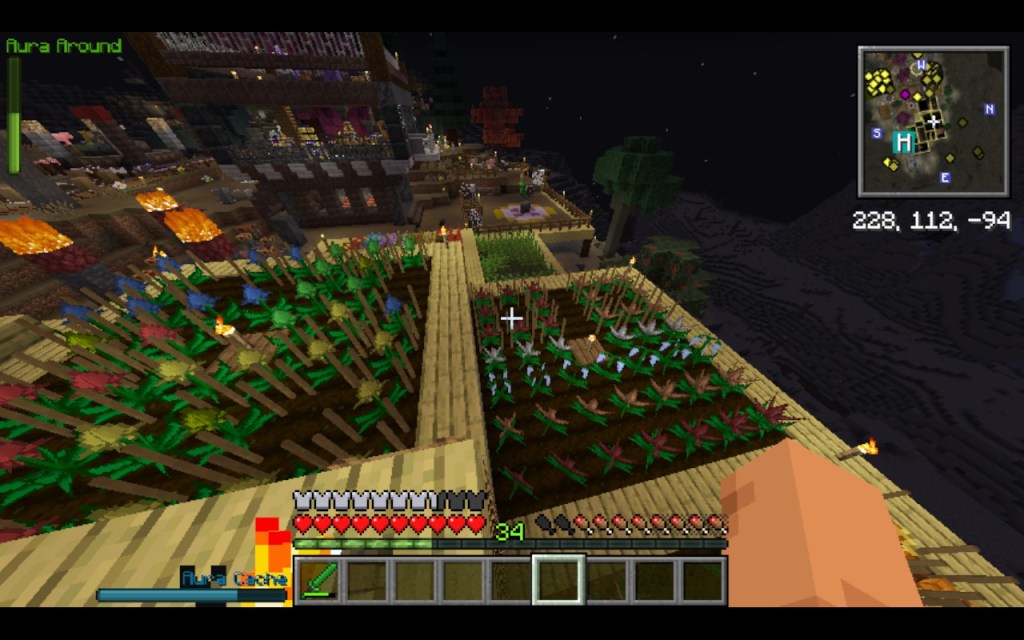
You start out getting bits of copper from the ruins and you are then introduced to the Theurgy mod which eventually allows you to get your first dirt blocks – luckily you can get seeds by breaking the dried grass still left in this world and begin your journey. The early game is quite focused on crops – you will have to selectively breed and combine crops to progress from the base 4 types to re-discovering all other types of crop and seed. The first major milestone is cuprosia – a plant that allows you to grow copper. From there, more mods start coming in and opening up avenues to create and reintroduce more materials, plants and nature.
Worth it?
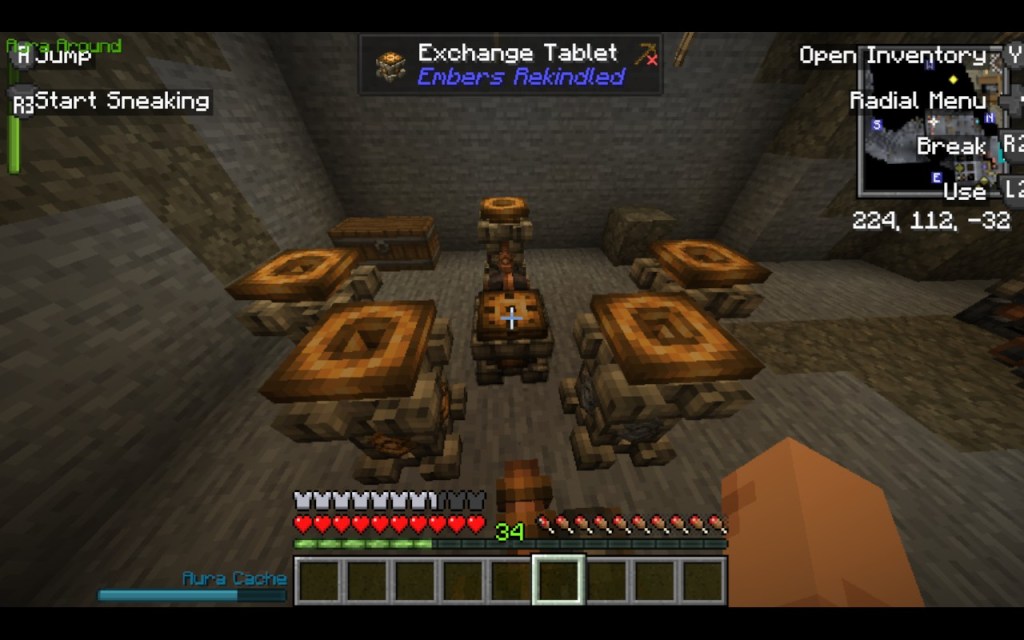
The modpack is quite magic heavy – there are some very interesting mods and the work put in to make them all work together and work sequentially in the quest line is truly impressive. There is one mod that does let down the pack a little bit and a lot of the consensus online seems to back this – embers rekindled. At it’s heart it’s got some good things, but the trial and error element of using the Exchange Tablet can be very frustrating for players. While at its heart it is essentially a version of a mastermind game where you have to match elements to positions, it can be very frustrating and losing hard earned materials in this was can also be demoralising.
It is a slow pack, things take time and sometimes a lot of steps. It takes some considerable time to get to automation and making your life easier and more efficient. You have to enjoy the journey and take your time, if you enjoy that, enjoy building and the magic mods, you will definitely have fun. The custom quest line offers a strong reason to keep going and trying new things, getting familiar with particular mods requires more reading and experimenting with specifics. You can easily spend 30+ hours on the quest line alone. The work done by people to put together this amazing modpack is truly commendable.
Tips
- In the early game focus on the crops, getting all 10s cuprosia will help massively with getting copper and using the watering can makes a huge difference to how quickly you can grow crops
- Use a mastermind solver to for the exchange tablet to help solve it.
- Once you get saplings a 4×4 Spruce tree is a great way to farm dirt by digging up the podzol it creates
- Once you can make the botanist gear (with infused iron), create that and the aura cache so you can repair your gear and sword
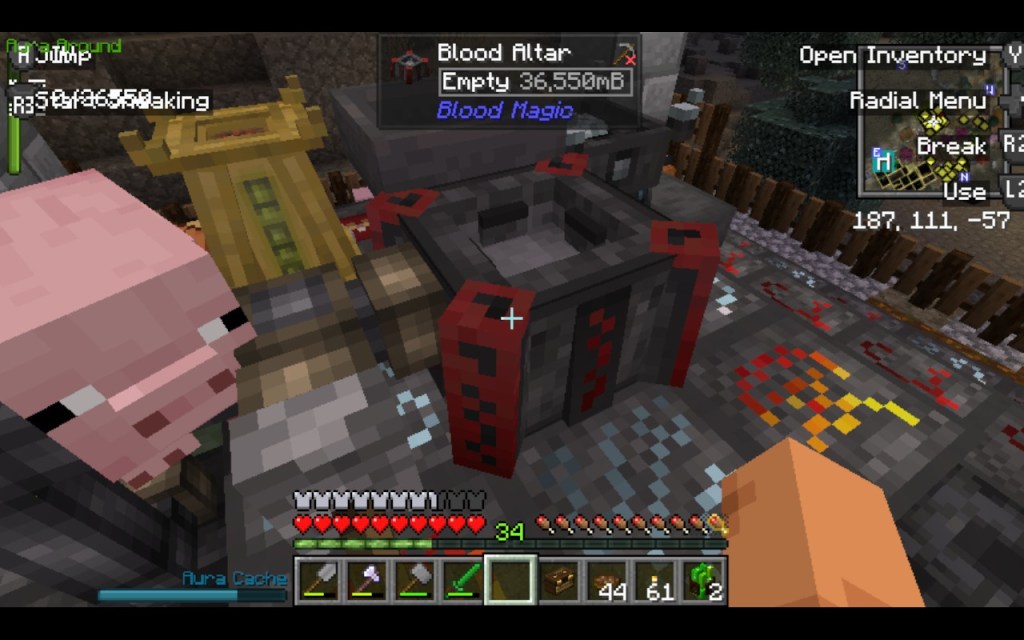
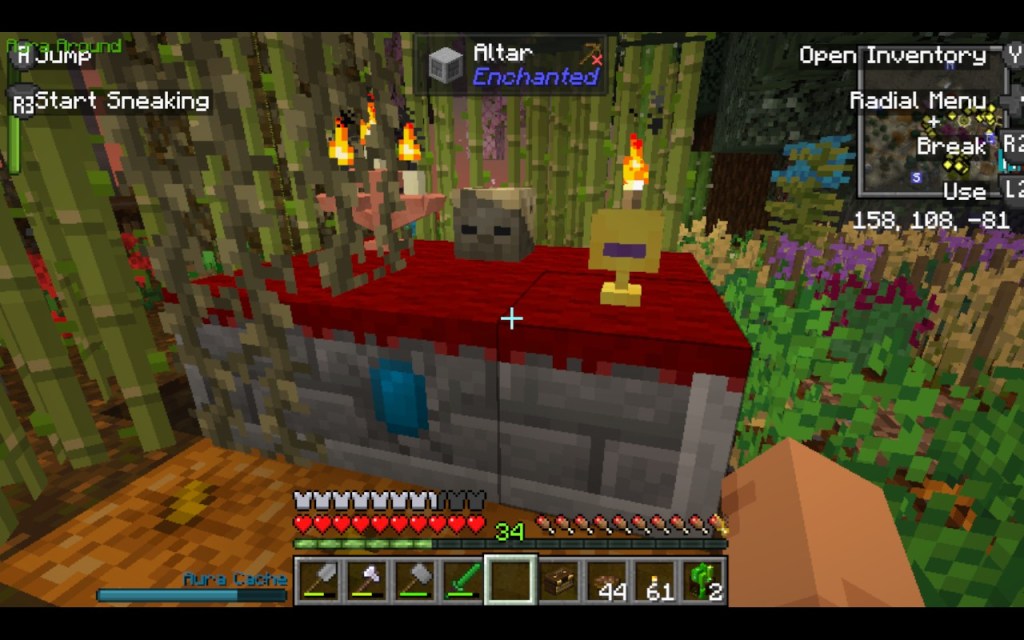
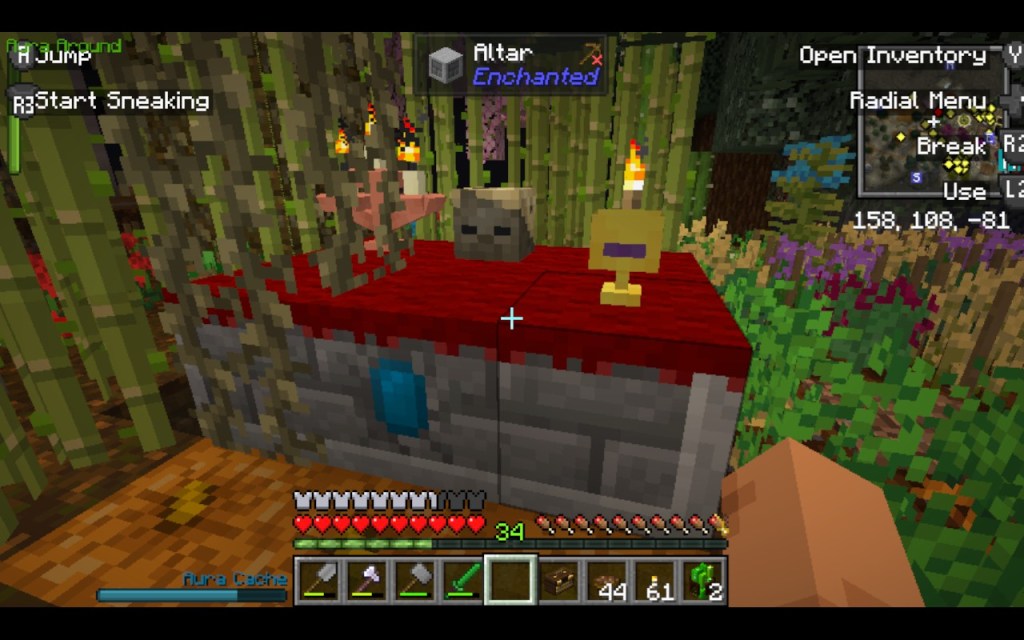
- In order to increase your Enchanted altar’s capacity plant a large variety of plants around it (not all plants contribute so do check), there’s also a cap on how much each plant will contribute – make it varied, various trees, mushrooms (also big ones), crops all contribute – in order to get a mob head – use the botanist’s sword when fighting mobs as it increases the chance of heads dropping.
- Don’t ignore the agricraft seeds – this will be one of the most reliable ways to automate gold, iron, lead and other metal production in the mid game – combined with some automated Create farms you will have plenty of metals coming from these
- Feeding the Herbivorous Absorber with flowers will actively generate aura in an area (it takes a lot)
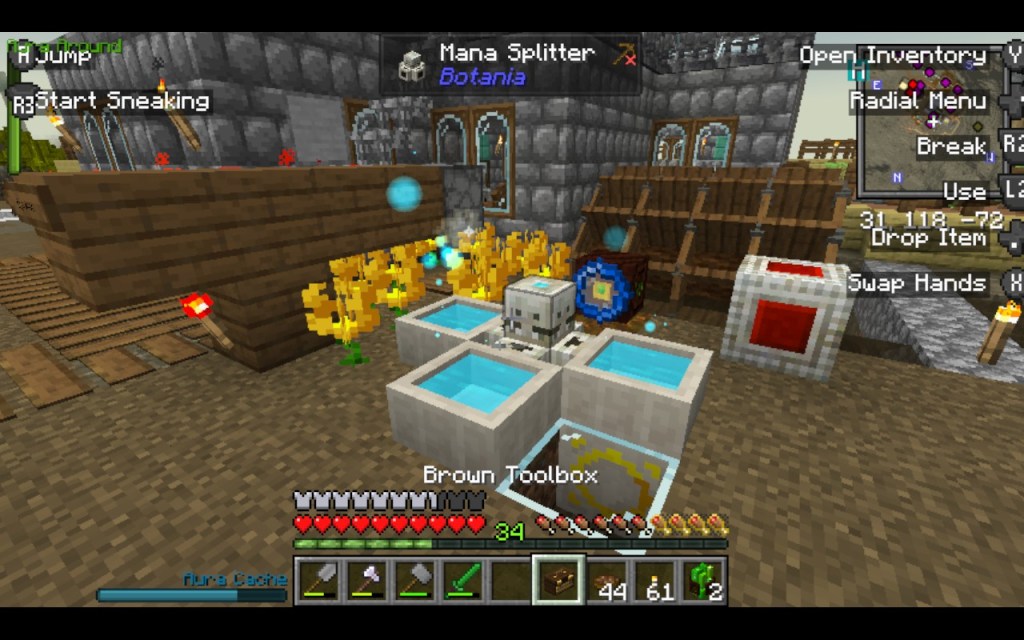
- Use a potency lens with the mana spreader in order to increase its mana output – longer term set up a semi automated solution with endoflames and the mana spreader pointing at a splitter and a few pools.
- Once you start unlocking Create parts it’s worth making a mechanical saw, which massively speeds up cutting down trees (especially big spruce trees)
- Read the books for each of the modpacks – there’s a lot of useful info in each of them for specific items and structures
- Setting up a variety of automated farms with the various agricraft seeds will see you into the late game and take away some of the resource grind
Useful Links
- Jamez28 has a very useful series on the modpack
- Mirabelinde also has a very useful series with specific issues and tasks:
- Download the mod from CurseForge









 Random Game Reviews