Abstrrkt Explorers

The Game

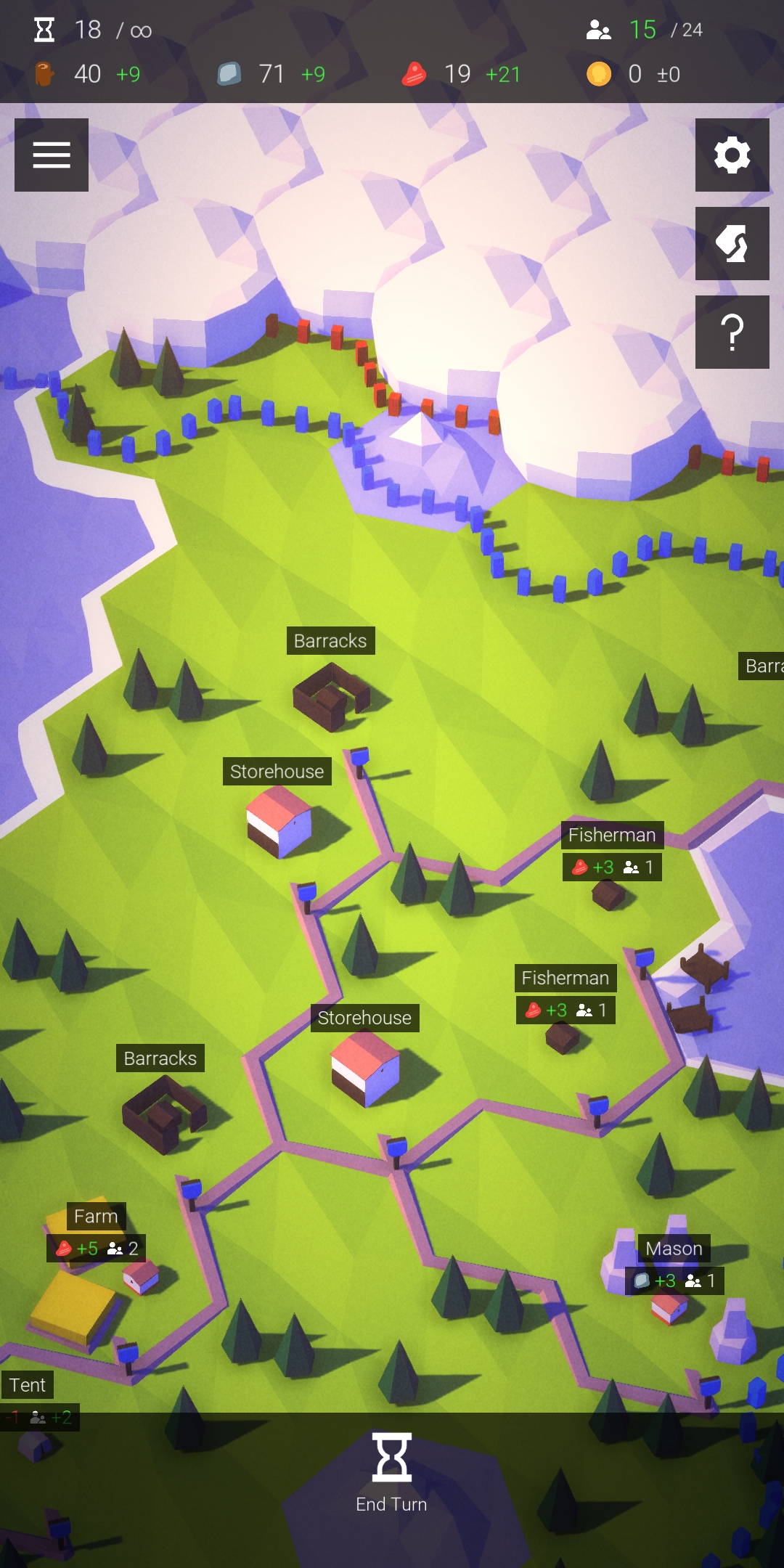
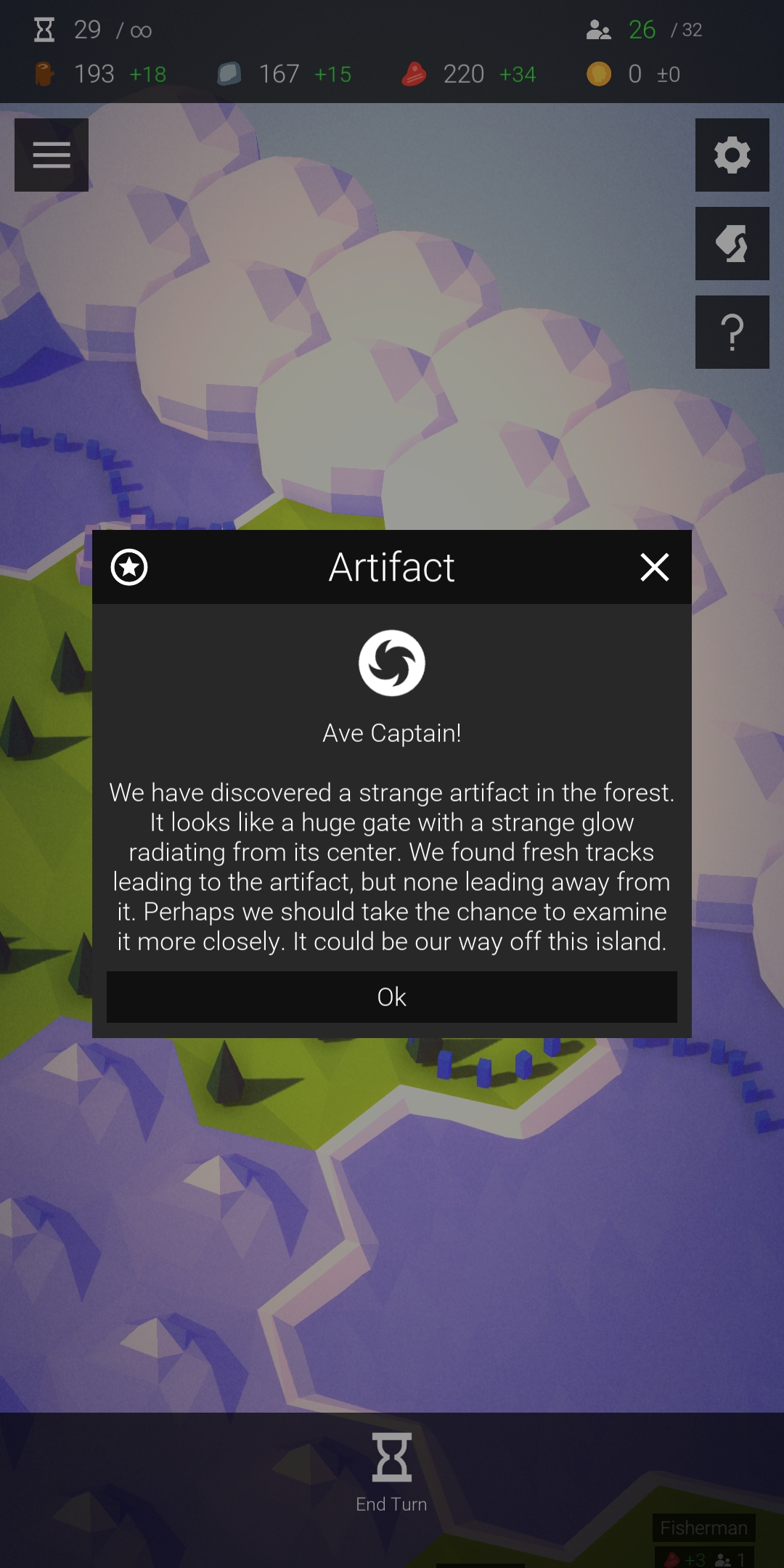
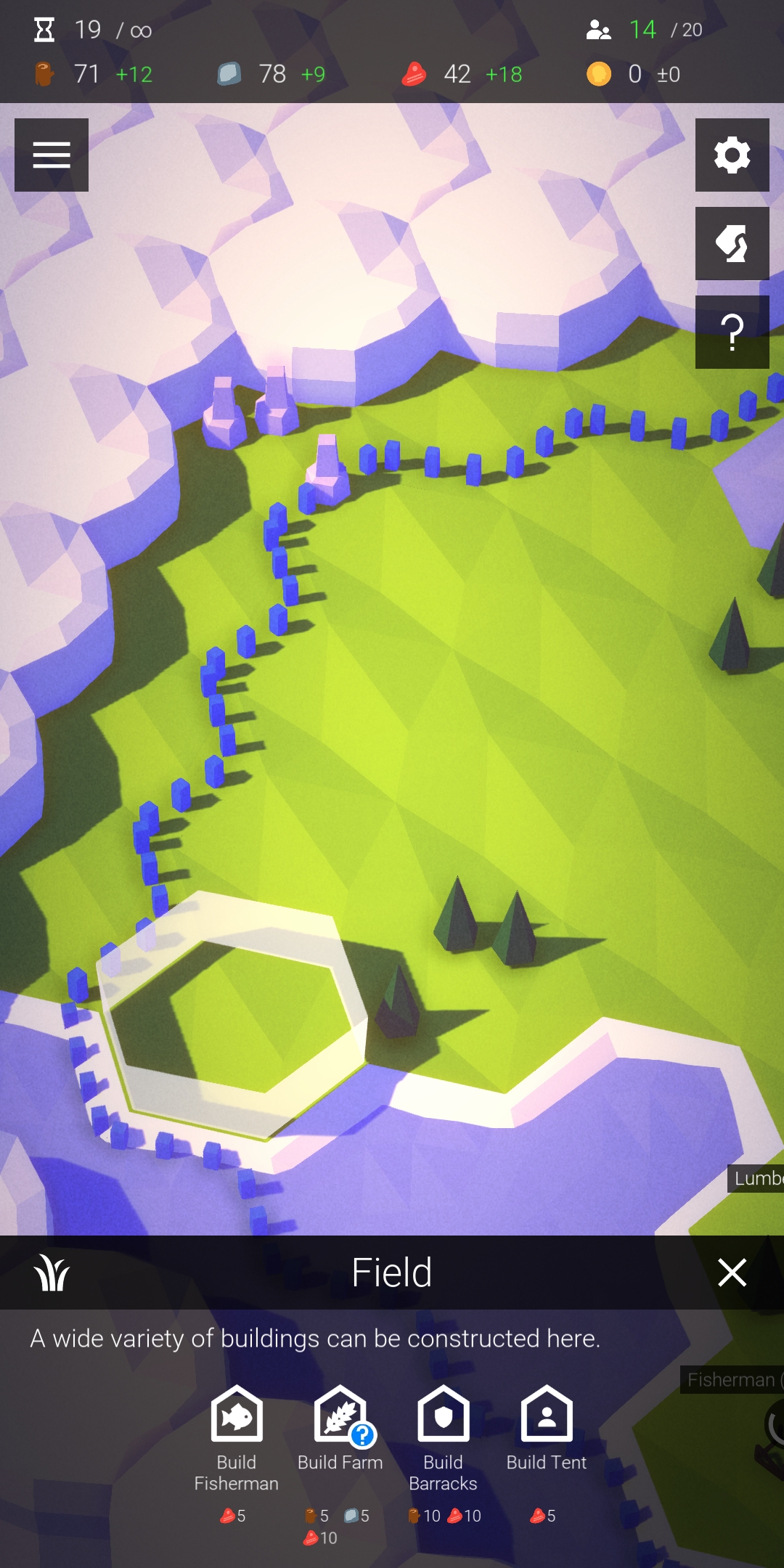
Do you have that feeling that all mobile strategy games are just annoying gatcha games with loads of microtransactions to help you speed things up? Me too, but this one is something different. Abstrrkt Explorers (or just Explorers) by Abstrrkt is a free, turn based strategy game for android. The game is reminiscent of some familiar classics (live Civ 6) with its hex grid setup and conquest mechanics. The game is pretty much a fully fledged 4X game which lets you build, explore, develop and fight for control over the world. It has a campaign mode, single player and even a local multiplayer option.

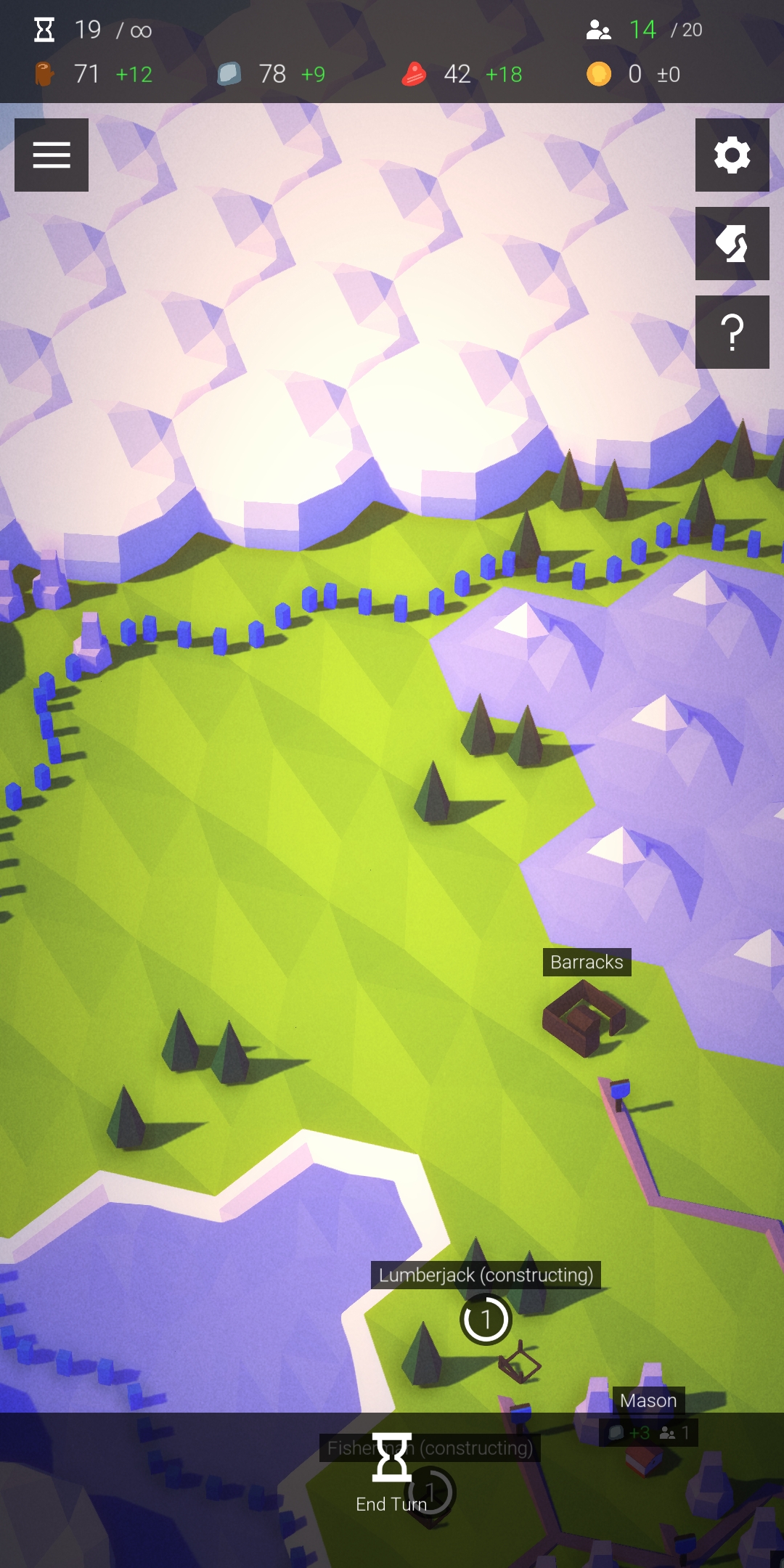
The campaign serves as a tutorial and introduction to the game. It gives you series of increasingly challenging and complex scenarios. Things start out simple with a small settlement and 4 initial types of resource wood, stone, food and population. You need to build up your economy through farms, lumberjacks and fishermen or hunters, later on gold is also added. You can then expand your empire through barracks which you can later upgrade. This is where the combat element of the game is introduced.

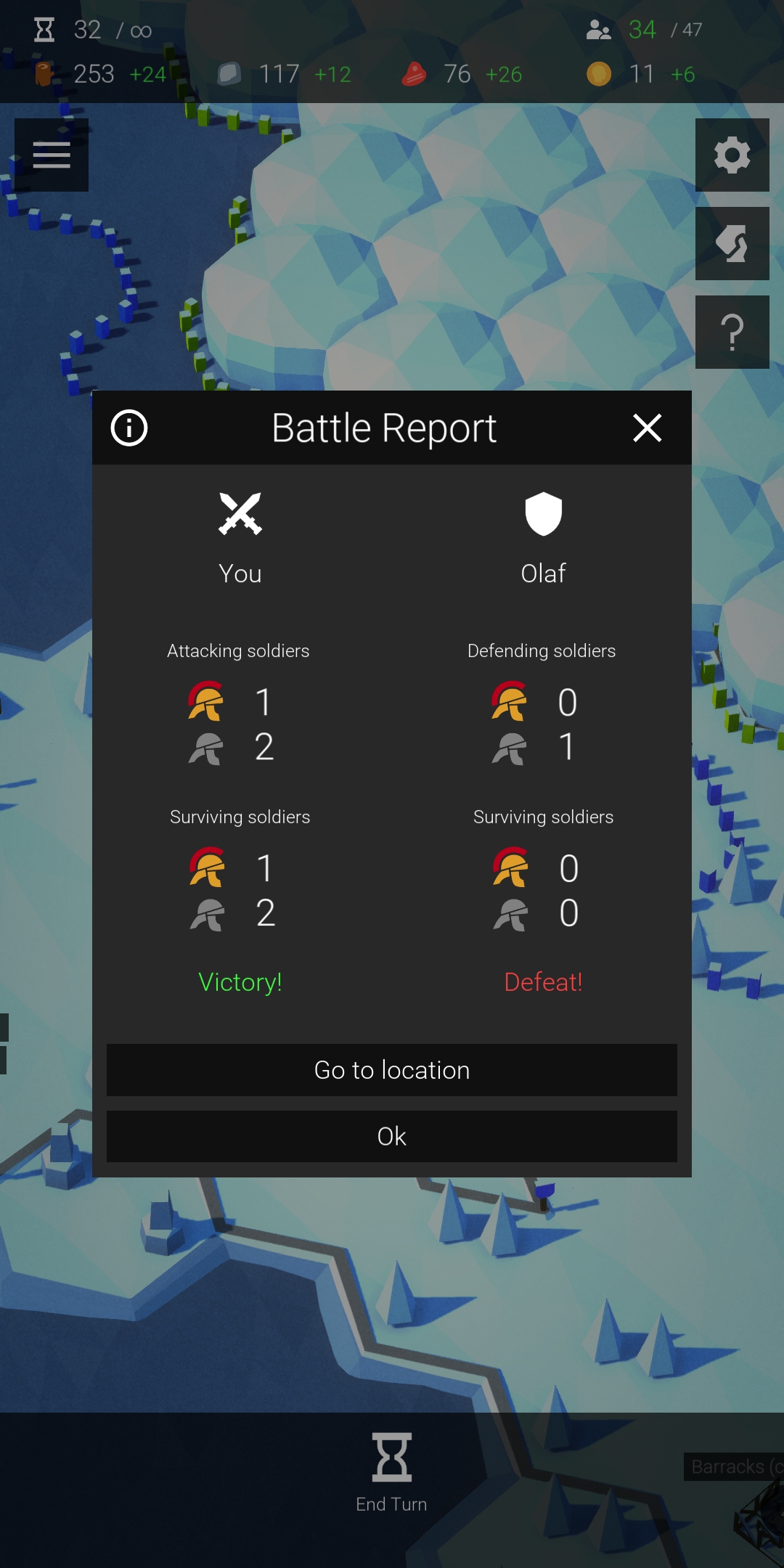
The combat is a bit of a different take and is based around the influence zones of your barracks and taking barracks from your enemies using your units from your own adjacent barracks. The game adds a bunch of other buildings as you progress, including catapults, harbours and ships. All this and more is delivered in a nice pastel low poly style with simple and intuitive controls.

Worth it?

A beautiful game with a lot of depth. The various game modes will give you plenty to mess around with, the campaign has a lot of gameplay for you to get stuck into (6 missions total). There are 3 types of game you can run in single player (Fixed, Domination, Survival) and a bunch of other settings you can configure. There are some ads, mainly in between campaign missions or when you start a game, overall they aren’t that intrusive but if you’d like to help the developer out you can buy an ad free option for £3.09. The game has a lot to offer, but there are some drawbacks, personally I think the combat can get to a point where you are just trading buildings with the AI without making much progress and that can be a bit frustrating. It feels like maybe another dimension can be added apart from the catapults and you can only ever build one new soldier per turn per barrack. The research tree has a good amount to uncover and keep you busy and it could easily be expanded with new buildings or upgrades.

Overall a great game for short to medium length sessions, although the game definitely has that “one more turn” element that can keep you locked in for ages. The simple style and low poly aesthetics make for a very beautiful and chill experience. There’s a bit more to be desired in terms of the combat, but other than that it’s quite a solid game with various gameplay modes and even a local multiplayer option.

Tips

  • Focus on food the most (especially early game)
  • Try and place as many buildings as you can each turn
  • Reinforce your barracks with units – ideally build a unit every turn
  • If you set a barrack to receive units it will pull in units from all barracks which have the “deploy” option on

Useful Links

The Gauntlet: Roguelike Turn-based RPG

The Game

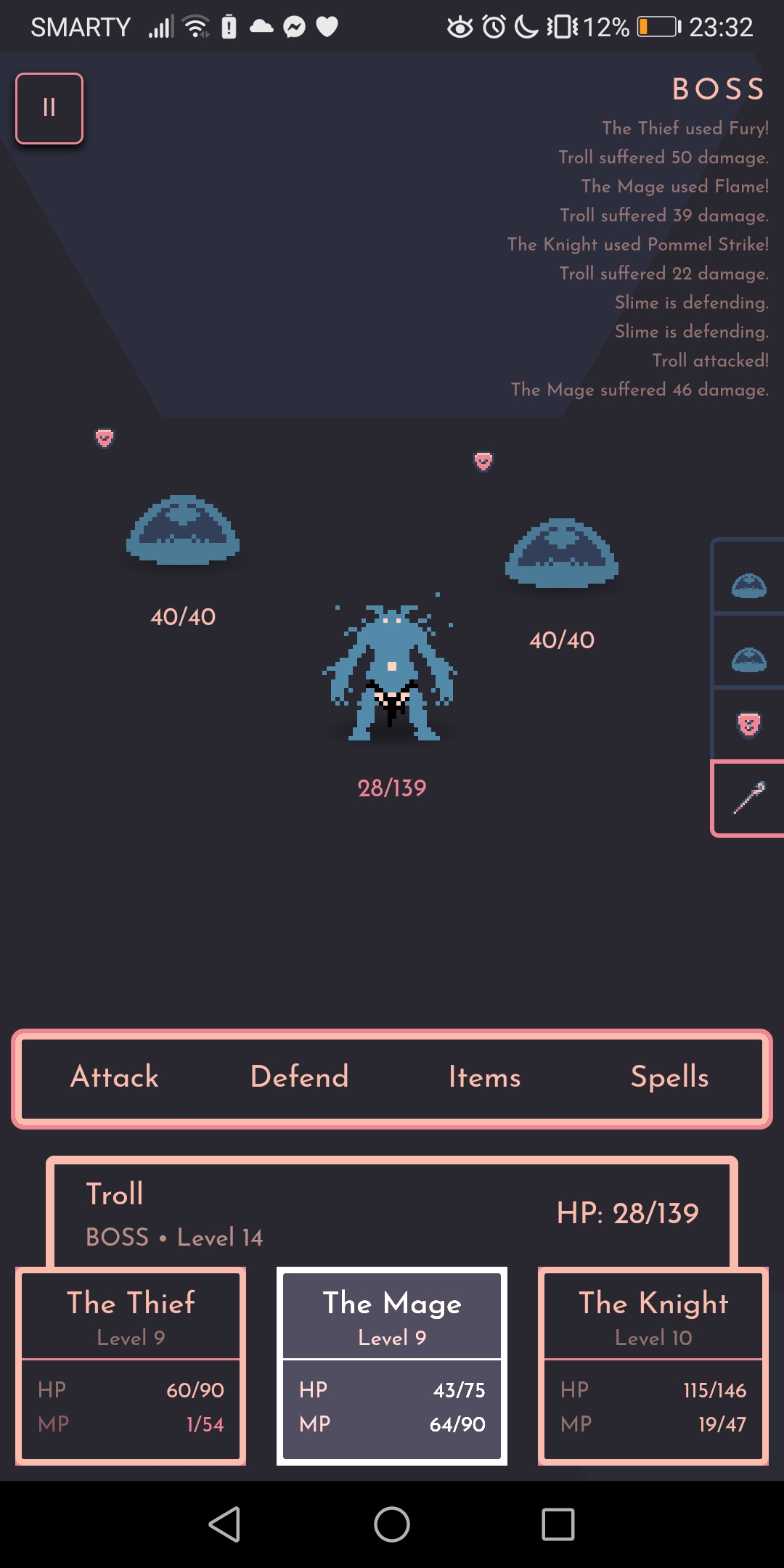
The Gauntlet by Cutlass is a minimalist turn based RPG. A simple, retro feel and a great time waster. The game is focused on combat over 100s of floors of monsters. You can also permanently upgrade your heroes or purchase new ones with your

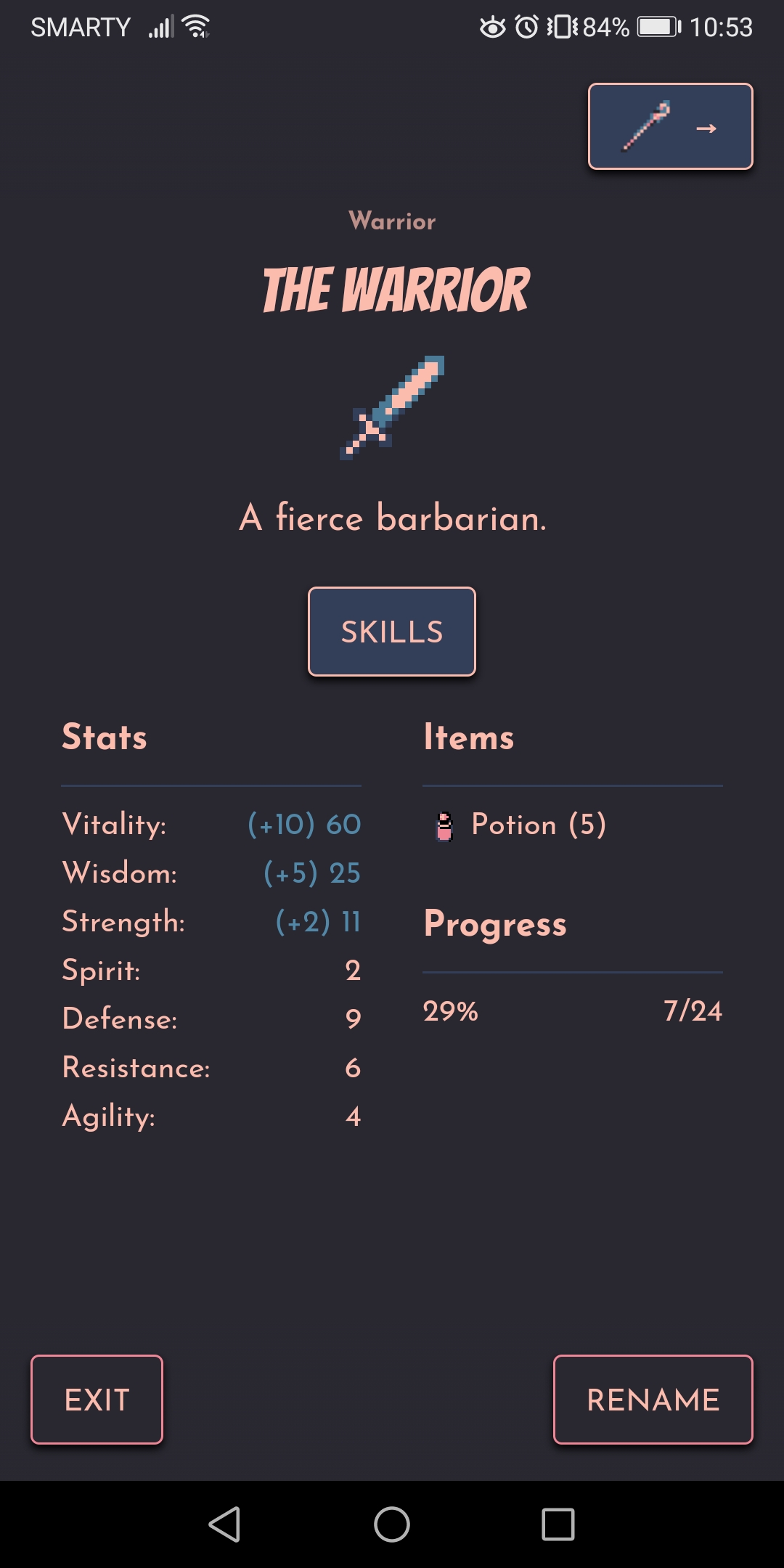
You can pick what difficulty gauntlet you’d like to start, after which you select your fighters – initially there are 4 classes available and more can be unlocked through cash or in-game currency. The 4 base classes are Warrior, Thief, Mage and the Knight – each offering different stats and its own skill tree. Once you’ve selected your 3 fighters you are plunged into the gauntlet and you’ll start fighting waves of enemies. The game will cycle through your characters allowing to choose your moves – attack, defend, use items or cast spells. Beat all the floors and you’ll have mastered that gauntlet.

Worth it?

Overall it’s a brilliantly nice and simple game with a unique art style and solid gameplay. There is potential to expand on the game by having equipment for the different classes, more achievements, challenges or perhaps even some different game modes. Each new class costs $1.99 or 50 000 souls, which are fairly easy to collect from a few successful runs. This means there’s no pressure to actually purchase classes, but buying them is a great way to support the developers. There are also no ads, which is awesome. When you need to do something else you can just exit or pause the game and it will save your progress, convenient for when you’re out and about and just need something to do for 5-10 minutes. The game is worth a download, just don’t get too distracted because you will keep thinking “just one more floor” and we all know how that goes.

Tips

  • Use items to restore health/mana, also items are per character rather than a shared pool of items
  • Clear smaller easier units before focusing on the boss
  • Mage is useful against phantom characters, who don’t take damage from physical attacks (they do take damage from various spells though)
  • Knight has a “Provoke” (Taunt) ability that will make enemies more likely to target it

Useful Links

Civilization VI (Rise and Fall, Gathering Storm) – PC & Console Versions

The Game

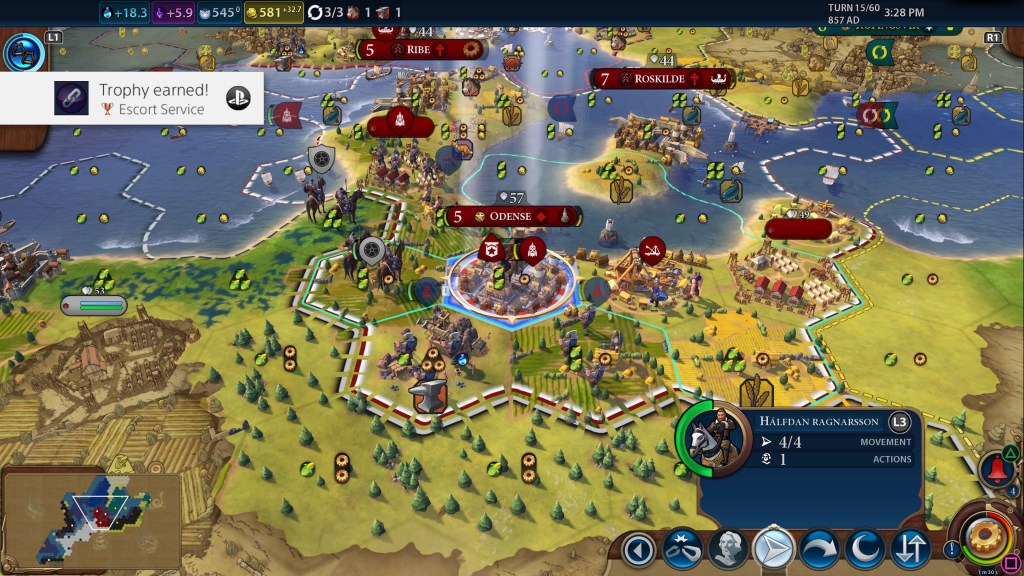
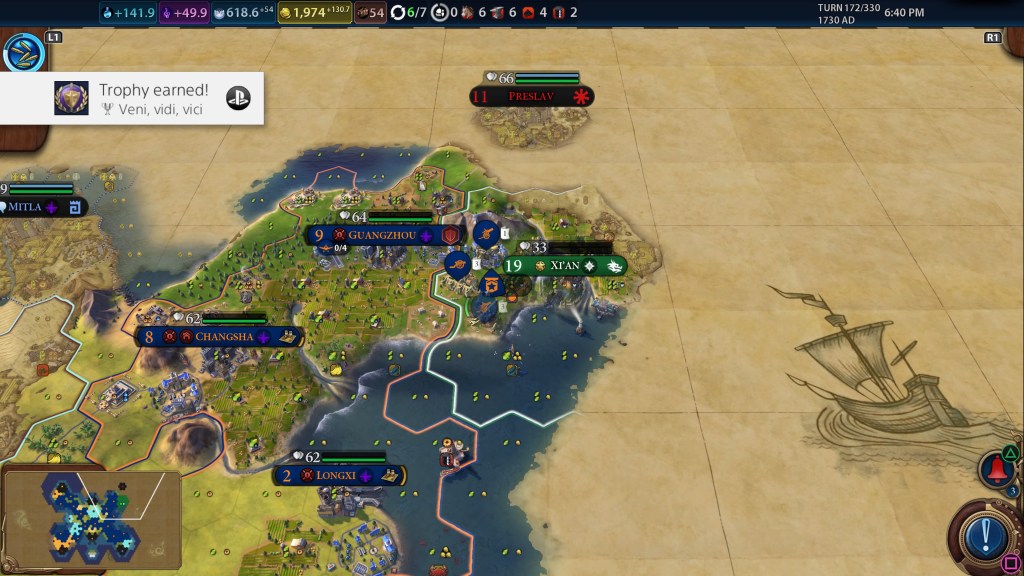
There’s no way you haven’t heard of Sid Meier’s Civilization series (developed by Firaxis Games and published by 2K Games). Civilization VI is the latest in the famous series and while the base game came out a few years ago, the developers have been rolling out a series of DLC and updates. They have also published the game on basically every console. I played both the PS4 version and the PC so I’ll cover some of the good and bad of both. Civilization V is one of my all time favourite games (I had over 1000hrs) so I had high hopes for this sequel, but I held off buying it until it came out at a more accessible price.

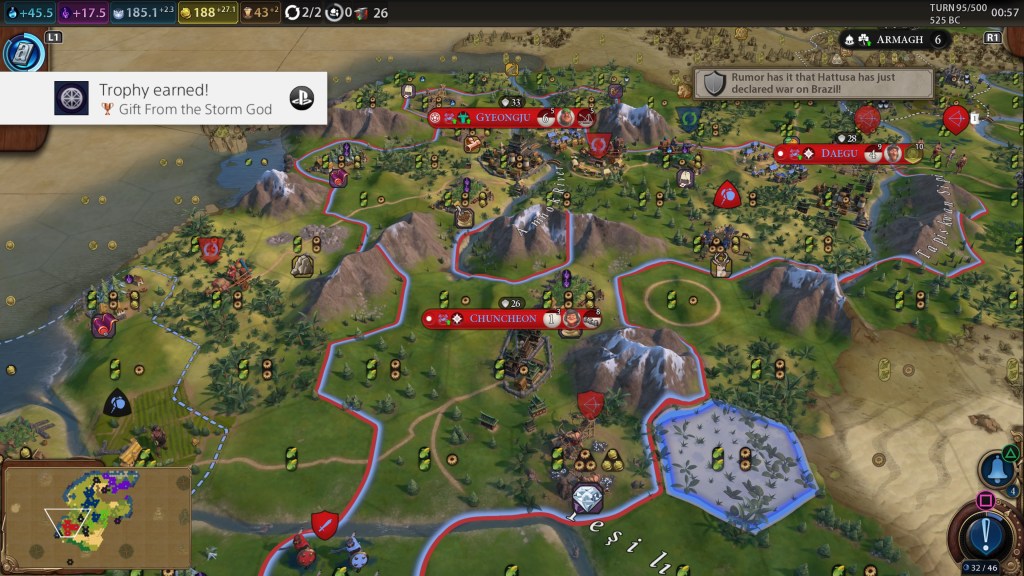
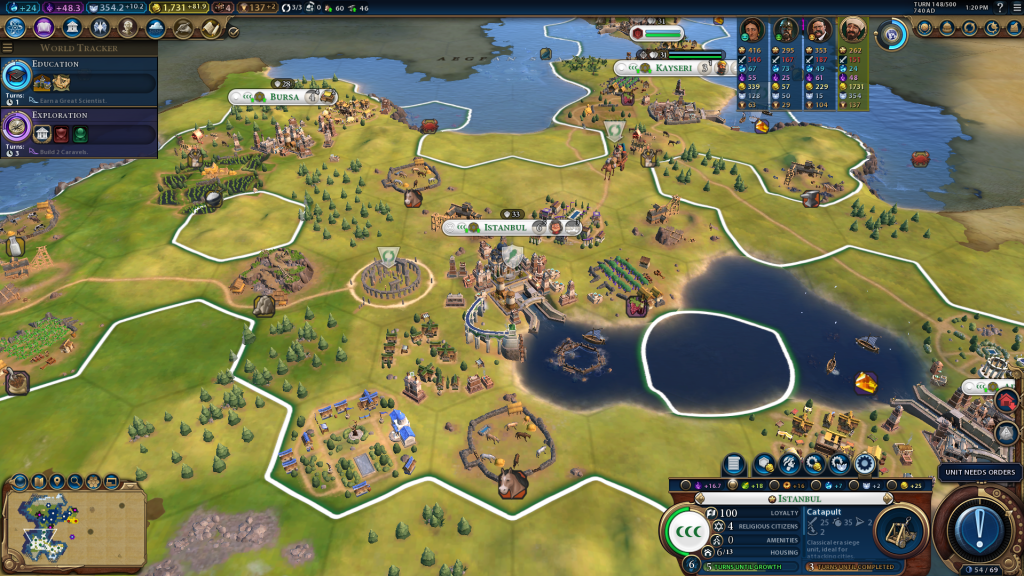
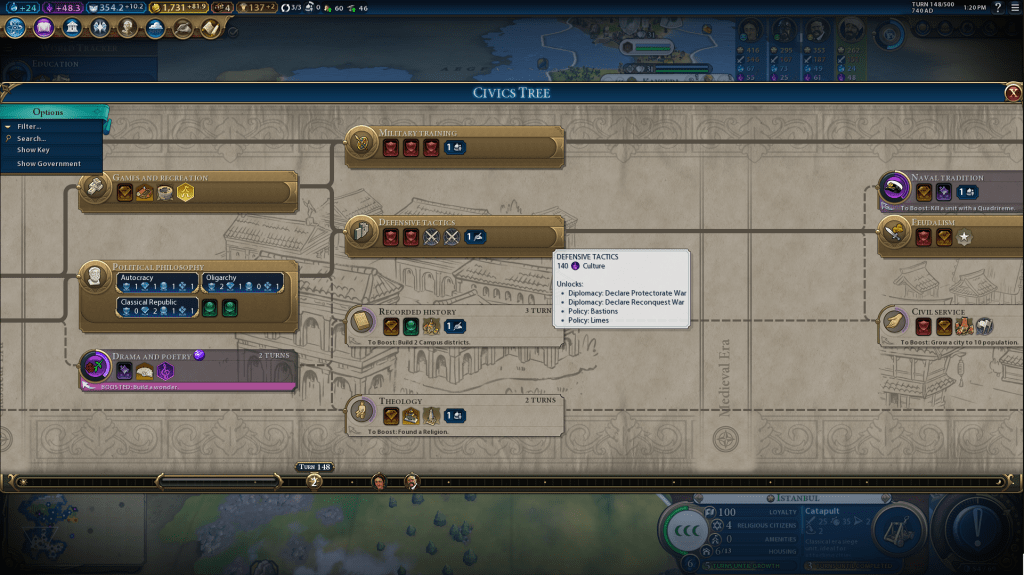
If you’ve never played Civ before then you have been missing out (and probably living under a rock). It’s a turn based 4x strategy game that takes you and your civilization through history and the ages. There are several ways you can win the game – domination, culture, science, religion, score (or in Gathering Storm – diplomatic). You play on a hex grid map and build up your cities and armies and take on rival civilizations, or build alliances and friendships if you prefer a diplomacy heavy game. You decide whether you want to be a peaceful and fun loving leader or a warmongering dictator that drops nukes those who oppose them. If you’re coming from Civ V some of the most notable additions are districts (specialised neighbourhoods) and a civics tech tree. It’s not until the expansion packs and DLCs where the game really starts to feel like something innovative and new, like the addition of Governors and Loyalty.

The game offers tons of civilizations to play as and each DLC adds more, there are also a variety of maps and game modes to chose from. This in itself will give you much to experiment with and keep you busy for hours on end. The base game in itself feels a bit limited, it’s not until Gathering Storm that the developers really made it something special and moved it on from Civilization V. Rise and Storm adds mechanics such as Dark and Golden Ages, loyalty and governors, while Gathering Storm builds and expands on that by adding climate change, disasters, electricity and a new victory mode. Each DLC also gives a bunch of World Wonders, new Civs, units and buildings.

Worth it?

On its own the base game really isn’t all that much – you’re better off playing Civilization V and all its DLC instead. You can get the Civ 6 base game (on sale) for around £8.50, and each of the main DLCs will set you back around £10, with some civ packs for around £5. The console versions will set you back a little bit more, but try and get them on sale if you can. When it comes to deciding the platform, the obvious benefit of PC (apart from cheap CD keys) is also mods – the Civ modding community is great and there are some really great ones out there – from UI improvements to entire civilizations, units and modes. On the other hand, the console version will let you play from the comfort of your sofa, a potentially very dangerous combination as you probably won’t leave that sofa all weekend.

It’s got to be said that the DLC method does feel like a bit of a rip off, there’s a lot of additional content which can amount to quite a serious sum. The base game on its own is quite basic, especially when you learn about all the great additions in each of the mods. The main one worth getting is Gathering Storm as it includes much of what’s in Rise & Fall, although you can often find the two on sale together. The console version I played (PS4) had some issues worth noting – there are issues with the UI, various highlights and selections are hard to see, issues with scrolling in certain menus, some of the functionality available on PC isn’t available and of course, no mods.

Another couple of the DLCs worth picking up as they add a good deal of new content (secret societies game mode and a civ) are the Ethiopia pack and the Babylon pack (heroes and legends game mode and a civ) – each of those will set you back about £3.99. With all the DLC and various packs you will have so much content to play that you will definitely get your money’s worth – there are potentially hundreds of hours of gameplay there.

Overall Civilization VI didn’t start out as the strongest game on its own, but through a few years of updates, DLCs, new modes and civs it has become a truly epic game that will keep you locked in for hours, thinking “just one more turn”. The console versions aren’t the greatest, but strategies on consoles have always been a bit of an odd combo and considering that – it does do an ok job. Aim to get as much of the DLC as possible (ideally on sale) and you will have yourself something to keep you busy for a very very very long time.

Tips

  • Enable the ribbon UI option so you can keep track of your opponents’ yields
  • Enable the yields UI option to get an accurate idea of the individual tile yields
  • Don’t accept demands from the AI
  • Selling diplomatic favour can help if you’ve got cashflow problems
  • Think about the positions of various districts and yields when placing cities
  • Placing a city on a luxury resource will still give you that resource
  • On harder difficulty there’s less point in getting a religion
  • Domination victory is generally easiest
  • Science matters – regardless what victory you are going for
  • Gold can solve a lot of your problems too
  • Use the “Join Ongoing War” option to help get other AIs involved if you feel you need support (and distractions for the AI) – sometimes they will willingly accept for 1 gold, other times a spare copy of a luxury is enough to convince them
  • Settling on fresh water gives you more housing, coastal cities start with less, which is why granaries and harbours with lighthouses are important
  • Read the wikis and learn as much as you can about your civilization’s bonuses, but don’t force them into your game if it’s not right
  • For tips for playing on Deity or general tips check out PotatoMcWhiskey on YouTube: https://www.youtube.com/c/PotatoMcWhiskey

Useful Links